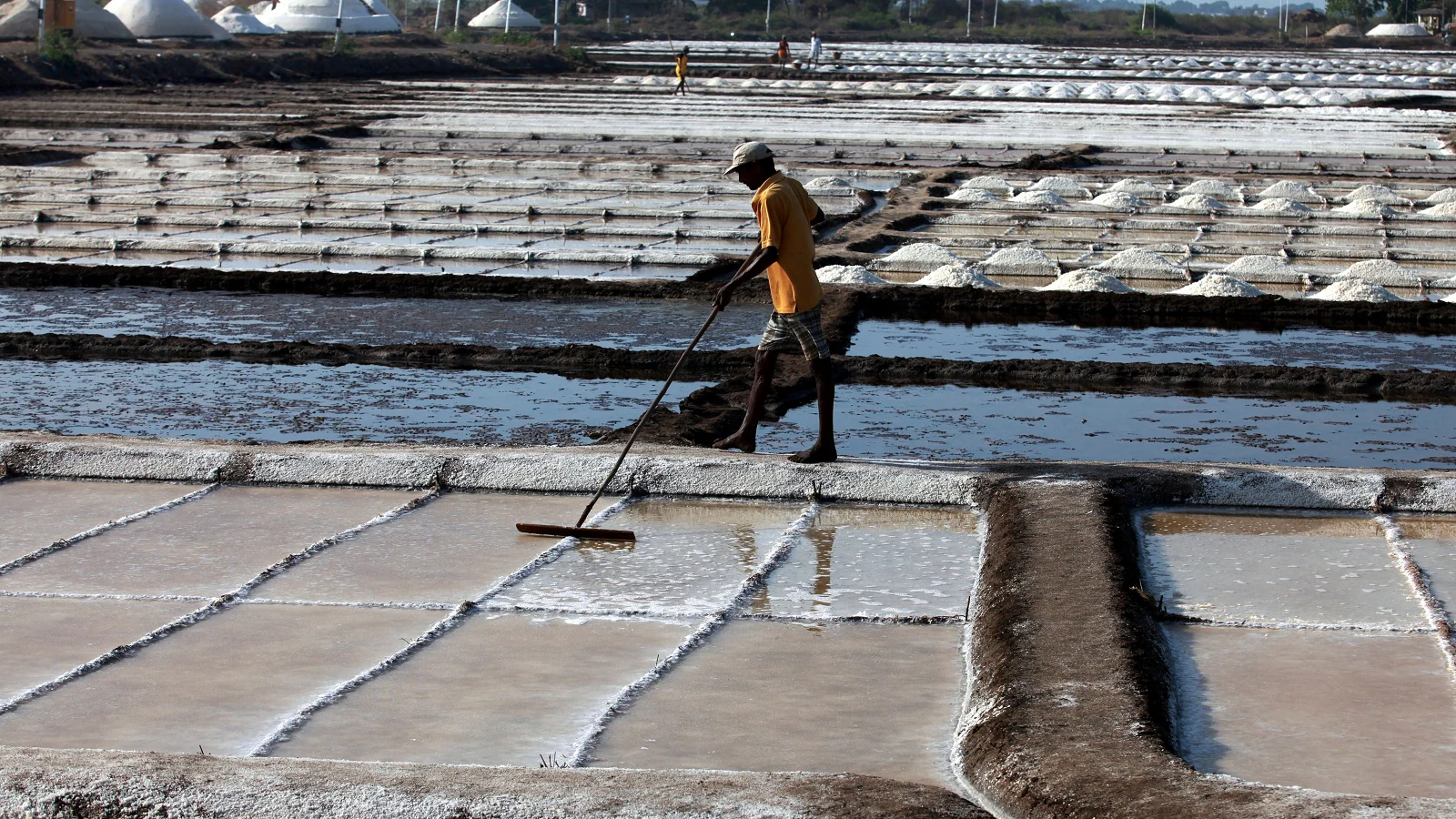
Mumbai has taken a decisive step in a long-running environmental compliance dispute, with the metropolitan development authority transferring four hectares of salt pan land in Wadala to the city’s Collector following firm directions from the Bombay High Court. The move marks a rare acceleration in a matter that has remained unresolved for nearly two decades and carries significant implications for the protection of the city’s fragile coastal assets.
The land transfer was completed a day after the court criticised the authority for its slow response to orders issued in a public interest litigation concerning mangrove and wetland conservation. The case, revived through a fresh contempt plea by an environmental group, centres on the implementation gaps arising from the landmark 2005–06 judicial directives that recognised mangroves on government land as forests and placed them under the custody of the Forest Department. According to environmental groups, the underlying issue has been persistent administrative delays rather than legal ambiguity. Although the High Court reiterated its protection framework in a comprehensive 2018 judgment, several agencies, including the development authority, municipal corporation and Collectors, continued to move slowly on land transfers. An activist associated with the current proceedings said agencies had shown “years of inertia” and that intervention was needed to ensure that designated land received the legal protection necessary to prevent encroachments or diversion for development.
The Wadala–Antop Hill–Sion salt pan belt, where the transferred land lies, is considered one of Mumbai’s most ecologically sensitive zones. Experts note that salt pans, like mangroves, serve as natural buffers that absorb tidal surges, regulate micro-climates and reduce flood risk for dense urban neighbourhoods nearby. With Mumbai experiencing more frequent extreme weather events, planners increasingly view these open tracts as essential components of a climate-resilient city. In an affidavit placed before the court, a senior land official said the authority acted immediately once the High Court reiterated its directions in mid-October. Officials from both the development authority and the Collector’s office completed verification and documentation the next day, finalising the transfer of the four-hectare parcel. The official emphasised that the agency held “the highest regard” for court directives and intended only to clarify the sequence of events rather than justify the delay.
Urban planners say the latest transfer is progress, but it represents only a small part of the larger compliance matrix that still needs attention. Several salt pan-related parcels across the city remain pending transfer to custodial agencies. Industry observers also point out that Mumbai’s rapid infrastructure expansion continues to heighten pressure on ecologically sensitive land, making judicially mandated safeguards increasingly vital. As the High Court examines whether the latest compliance is adequate to close the contempt plea, the broader monitoring of mangroves, wetlands and coastal assets remains ongoing. Nearly twenty years after the first protective orders were issued, courts continue to play a crucial role in ensuring that Mumbai’s environmental governance aligns with its growing climate resilience challenges.
MMRDA Hands Over Wadala Salt Pan Land Following High Court Compliance Order