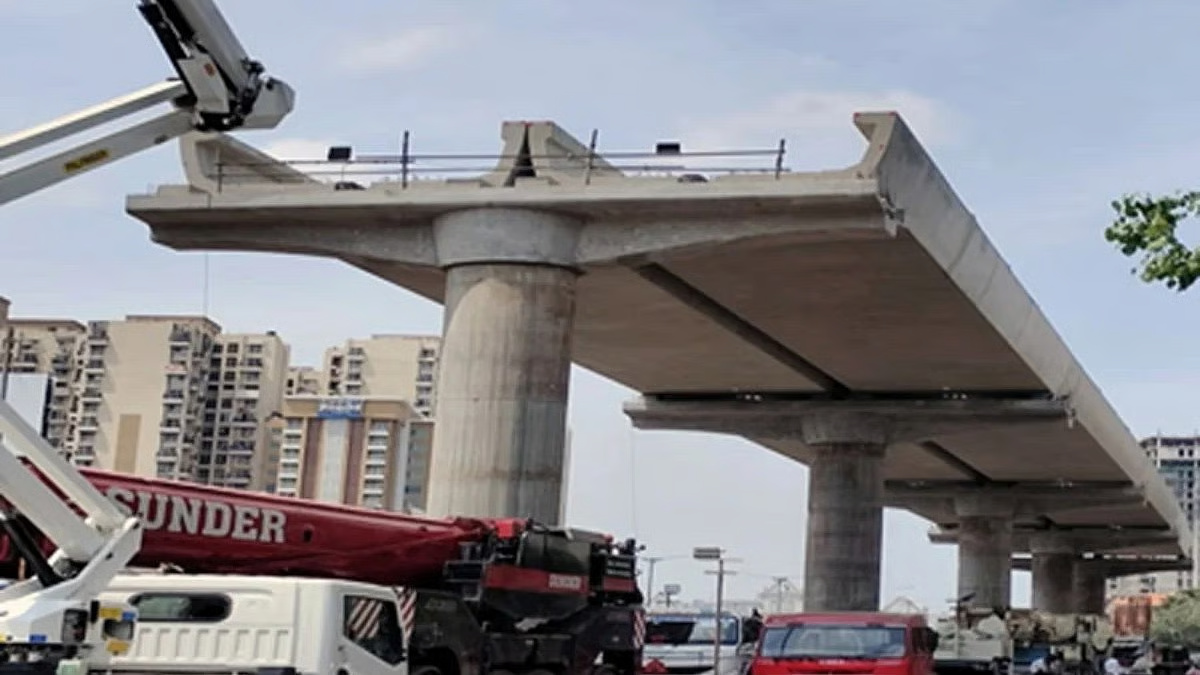
The Mumbai Metropolitan Region Development Authority (MMRDA) has withdrawn its proposal to build a Metro-9 car shed at Dongri in Mira-Bhayandar, following sustained public opposition and environmental concerns. The move marks a rare instance of a major infrastructure agency revisiting design decisions in response to community feedback, and it introduces a more space-efficient, elevated parking alternative that could reduce ecological impact while keeping the project on schedule.
Metro-9, a 13.58-kilometre elevated corridor linking Dahisar East with Mira-Bhayandar, has long been positioned as a key connector for northern suburbs that continue to experience rapid population growth. However, the depot component of the project triggered intense debate over land use, tree loss, and the balance between infrastructure delivery and ecological preservation. Residents, environmental groups, and planners argued that large-scale tree felling contradicted the region’s climate commitments and risked further reducing green cover in an area already struggling with heat, congestion, and air pollution. An official from the state government said the reassessment was initiated after protests escalated earlier this year, particularly when more than 1,400 trees were approved for removal by the city’s municipal corporation. The official added that the decision reflects the administration’s need to balance transport expansion with “ecological sensitivity and public trust”, especially ahead of important civic elections.
The earlier plan involved acquiring over 30 hectares of agricultural land across multiple villages. When resistance to this alignment intensified, the agency proposed an even larger depot at Uttan-Dongri, requiring an extension of the Metro line and additional land conversion. Urban planners noted that such shifts often lead to cost overruns, delays, and friction with local communities, underscoring the need for early-stage assessment of environmental and social risks. The newly proposed elevated parking yard will be located near the last station of the corridor, eliminating the need for greenfield acquisition. According to project officials, the structure will be able to accommodate approximately eight trains in its initial phase. They added that the redesign will not affect commissioning timelines: the first stretch between Dahisar and Kashigaon is still expected to begin operations by the end of December, while the full corridor is targeted for completion by late 2026.
Experts say the development offers an opportunity to re-evaluate how metro infrastructure is planned across Indian cities. A transport researcher said the episode highlights the importance of integrating environmental assessments, public consultation, and land-use planning early in the project cycle. Doing so, they noted, can create infrastructure that is not only functional but also aligned with the principles of sustainable and equitable city building. As the region continues to expand its metro network, the shift toward less intrusive, space-saving depot solutions may set a precedent for future corridors. For residents of Mira-Bhayandar, the latest decision represents both relief and a reminder of the value of civic engagement in shaping urban development.
MMRDA Cancels Dongri Metro Car Shed After Protests And Shifts To Elevated Parking