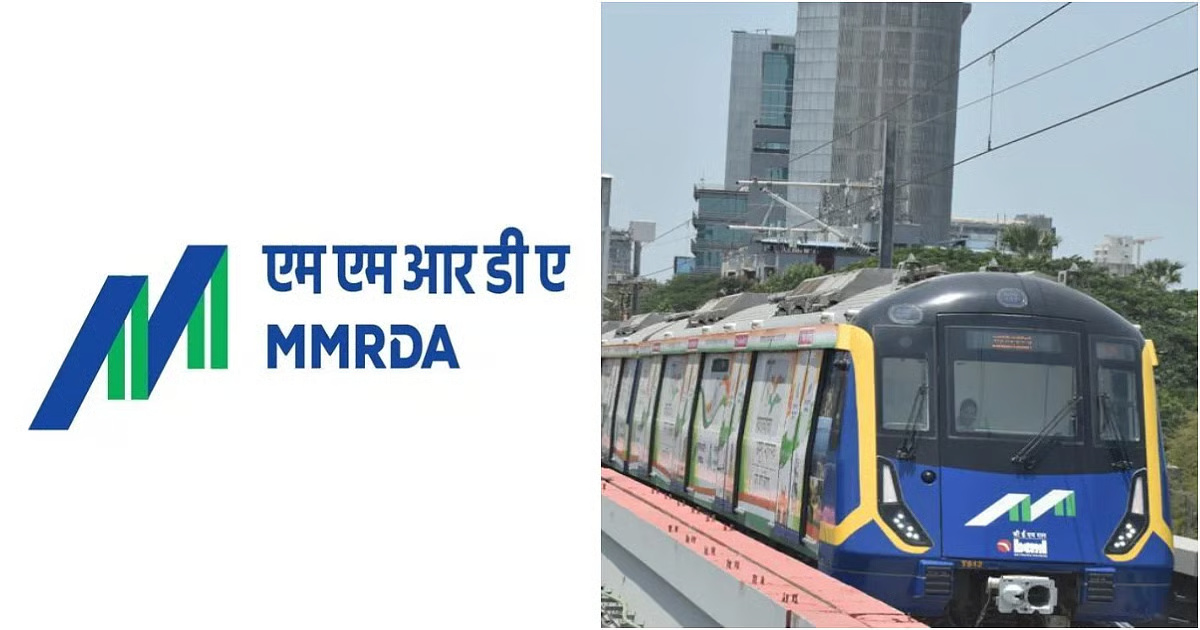
Mumbai’s metropolitan transit map is set for a significant upgrade as the region’s planning authority moves closer to operationalising a long-awaited metro corridor linking Thane and Bhiwandi. The first phase of Metro Line 5, a critical east–west connector serving dense residential and industrial clusters, has entered its final construction stage, with commercial services now targeted for late 2026. The development marks a crucial step in reducing road dependency across one of the most congested belts of the Mumbai Metropolitan Region.
Infrastructure progress data reviewed by Urban Acres shows that civil construction on the initial 12.2-kilometre stretch between Kapurbawdi and Dhamankar Naka is nearing completion, with most viaduct and station structures already in place. Transport officials involved in the project say the remaining works are largely finishing-related, after which the focus will shift to systems installation, testing, and statutory safety approvals. The corridor is expected to play a transformative role for daily commuters in Thane and Bhiwandi, where travel between residential neighbourhoods, industrial estates, and rail hubs is currently dominated by overcrowded roads and slow-moving buses. Urban mobility experts point out that the absence of rapid transit in this belt has long constrained labour mobility and increased travel costs, particularly for shift workers and small businesses reliant on time-sensitive logistics.
Metro Line 5 forms part of a larger orbital transit strategy aimed at decongesting Mumbai’s north–south rail corridors by strengthening lateral connectivity across satellite cities. When fully completed, the 24.9-kilometre line will connect Thane, Bhiwandi and Kalyan through 17 stations, improving access to employment centres while easing pressure on arterial highways. The project’s estimated investment runs into several thousand crore rupees, reflecting the scale of infrastructure required to serve fast-growing peri-urban zones. Phase 1 includes seven stations across mixed-use and industrial areas, where land-use intensity and population density have risen sharply over the past decade. Real estate analysts note that metro connectivity in these locations could gradually reshape housing demand, encouraging more compact, transit-oriented development rather than car-dependent sprawl. However, they caution that last-mile connectivity, pedestrian safety, and feeder services will be critical to unlocking the full benefits of the line.
The progress on Metro Line 5 comes alongside parallel efforts to activate other corridors across the region, including northwestern and eastern routes designed to interlink suburban rail, metro, and bus systems. Transport planners say staggered commissioning is intended to ensure operational stability while steadily expanding network coverage. As the project moves into its final delivery phase, attention is expected to shift towards integration, affordability, and service reliability. For a region grappling with rising vehicle ownership and climate stress, the timely rollout of Metro Line 5 could signal a broader shift towards cleaner, more equitable urban mobility—provided execution remains aligned with commuter needs and long-term resilience goals.
MMRDA Advances Thane Bhiwandi Metro Services Timeline