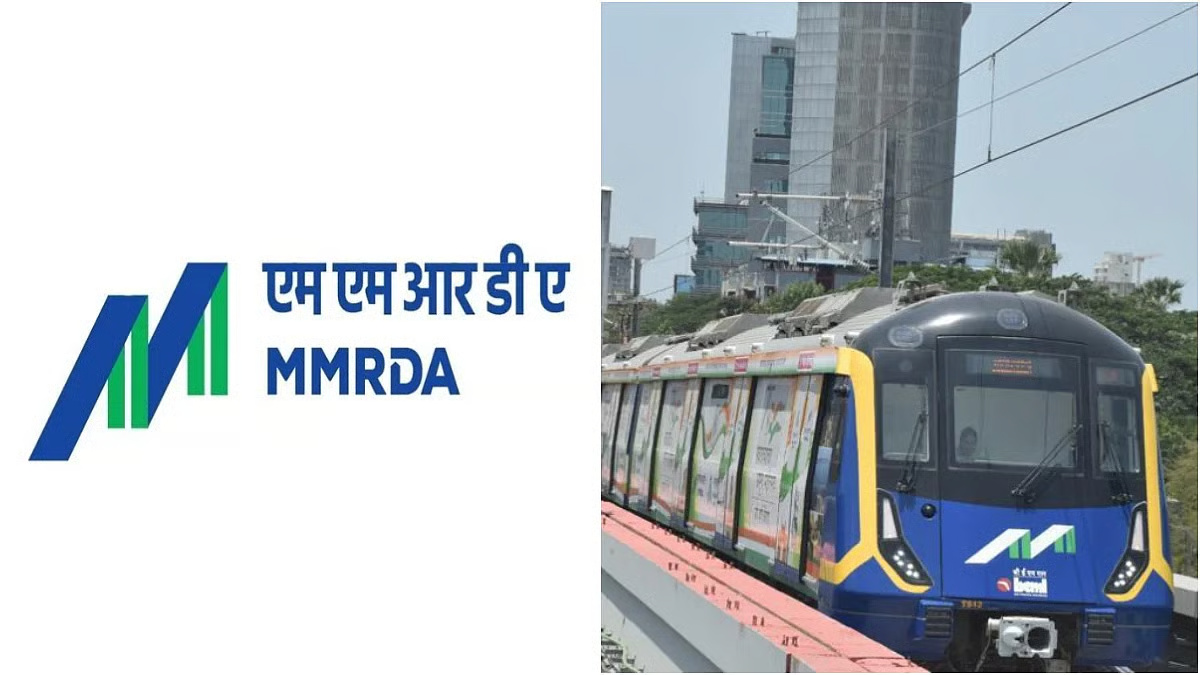
The Mumbai Metropolitan Region Development Authority has intensified efforts to strengthen institutional capability in mass transit planning and delivery, holding high-level discussions with global transport and academic leaders during an international economic forum in Europe. The engagement signals a shift in focus from project execution alone to long-term capacity building as Mumbai expands one of the world’s most complex urban transport networks.
Senior officials from the regional planning authority met with leadership from a UK-based advisory organisation known for supporting large metro and rail programmes across major global cities. The dialogue centred on building technical depth in areas such as system integration, project governance, operational readiness and lifecycle management, all of which are increasingly critical as Mumbai’s metro network scales across multiple corridors and jurisdictions. Urban transport specialists note that MMR metro capacity building has become a strategic priority as the region moves from construction-heavy phases into operations, maintenance and network optimisation. With several metro lines nearing commissioning and others under development, cities like Mumbai face the challenge of ensuring reliability, safety and affordability over decades, not just during delivery timelines.
Alongside industry engagement, the delegation also interacted with senior academic leadership from a leading public university in the United States. The proposed collaboration aims to link urban policy research, data-led planning and applied innovation with real-world infrastructure challenges in the Mumbai Metropolitan Region. Such academic partnerships are increasingly viewed as essential to developing people-first transport systems that respond to climate risks, demographic change and evolving mobility behaviour. Officials familiar with the discussions said the objective was not limited to technology transfer, but also to developing local talent ecosystems capable of managing future-ready infrastructure. As India’s largest urban agglomeration, Mumbai’s transport decisions influence housing markets, employment access and carbon emissions across the wider region. Strengthening in-house expertise is expected to reduce long-term dependence on external consultants while improving public accountability and delivery outcomes.
The meetings formed part of a broader international outreach by Maharashtra’s economic and infrastructure agencies, which are seeking to align investment, skills and governance reforms with ambitious growth targets. Previous investment agreements signed at global platforms have prioritised urban transport, logistics, digital systems and sustainable development, positioning the Mumbai Metropolitan Region as a key engine of economic expansion. However, urban economists caution that capital inflows alone are insufficient without parallel investments in institutional capacity. “Large-scale metro systems succeed when planning agencies evolve into knowledge organisations, not just construction authorities,” said an urban governance expert. “That transition determines whether cities achieve inclusive growth or face operational bottlenecks later.”
As Mumbai prepares for the next phase of metro-led urban transformation, the emphasis on MMR metro capacity building reflects a recognition that resilient, low-carbon and equitable cities depend as much on skilled institutions as on physical infrastructure. The outcomes of these global engagements are expected to shape how efficiently the region’s transport systems serve citizens in the decades ahead.
MMRDA Advances Metro Capacity Building Strategy