


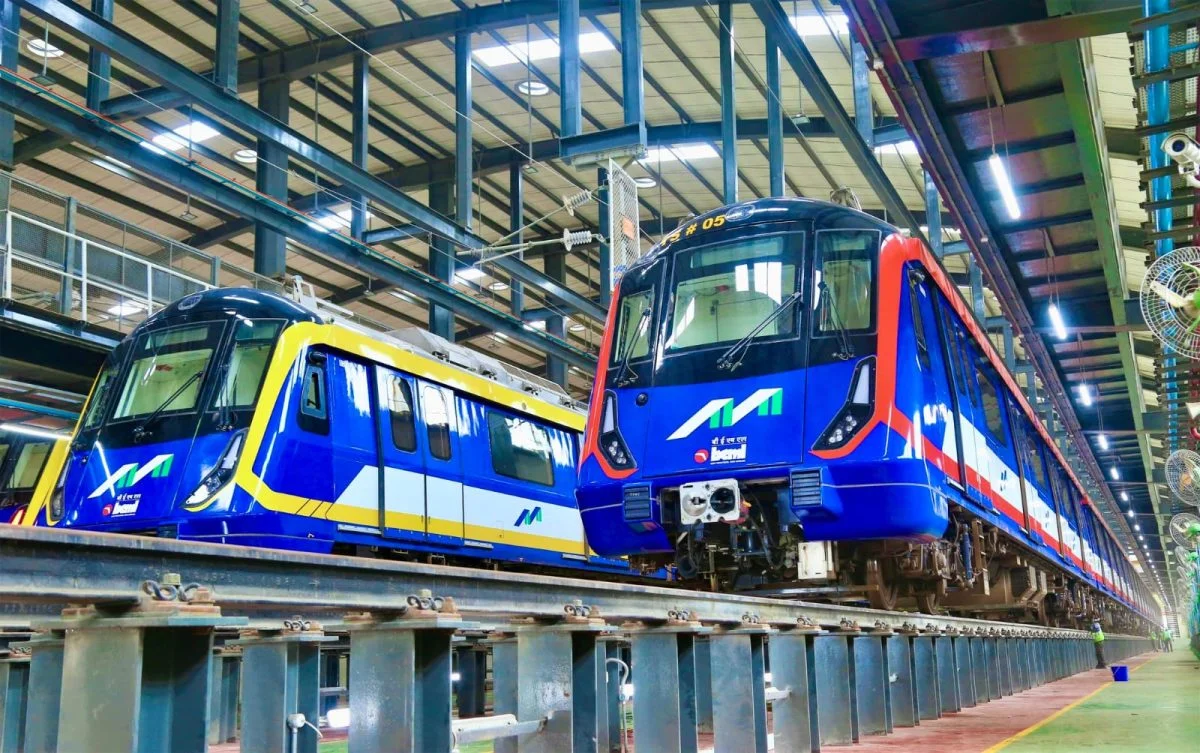
The Mumbai Metropolitan Region Development Authority (MMRCL) has proposed a new 17.5-kilometre underground Metro Line 11, a significant expansion poised to revolutionise public transportation across India’s financial capital. This ambitious project aims to alleviate chronic traffic congestion, reduce vehicular emissions, and enhance the overall quality of life for millions of commuters, aligning with Mumbai’s strategic vision for a more sustainable, eco-friendly, and equitable urban future.
The introduction of Metro Line 11 represents a critical step in bolstering Mumbai’s rapidly expanding mass transit network. As one of the world’s most densely populated cities, Mumbai grapples with immense pressure on its existing transport infrastructure. A new underground metro line offers a high-capacity, efficient, and reliable mode of travel, directly addressing the challenges of overcrowded suburban trains and gridlocked roads. This expansion is vital for supporting the city’s economic growth while simultaneously improving daily commutes for its diverse workforce.
Also Watch: “Mumbai will rock, shine and always be India’s best city to live.” In an exclusive, MHADA CEO Sanjeev Jaiswal (IAS) talks about Mumbai’s enduring charm, livability, and the government’s focus on making it affordable for all
Beyond the immediate benefits of reduced travel times and enhanced connectivity, the proposed underground metro line holds substantial environmental advantages. By encouraging a shift from private vehicles to public transport, Metro Line 11 will contribute significantly to lowering the city’s carbon footprint. Fewer cars on the road translate to reduced air pollution and noise levels, fostering a healthier urban environment. This aligns perfectly with the global imperative to create zero net carbon cities, making public transport infrastructure a cornerstone of sustainable urban development.
Furthermore, improved public transport accessibility has profound social implications. It enhances gender neutrality by offering safer and more reliable travel options for women, and it promotes equity by connecting underserved areas to key employment hubs, educational institutions, and healthcare facilities. A robust metro network democratises access to opportunities across the city, reducing travel-related stress and improving overall societal well-being. This project is therefore not just about building tracks and stations but about building a more inclusive and liveable Mumbai.
The planning and execution of such a large-scale underground project demand meticulous engineering, environmental sensitivity, and effective stakeholder engagement. While the challenges are considerable, the long-term benefits in terms of economic efficiency, environmental sustainability, and social equity are undeniable. MMRCL’s proposal for Metro Line 11 signifies Mumbai’s unwavering commitment to developing world-class urban infrastructure that serves the needs of its growing population while safeguarding its environmental future, cementing its status as a forward-looking global metropolis.
Also Read: Air India Flight AI 2744 Skids Off Mumbai Runway Amid Rain Today
