


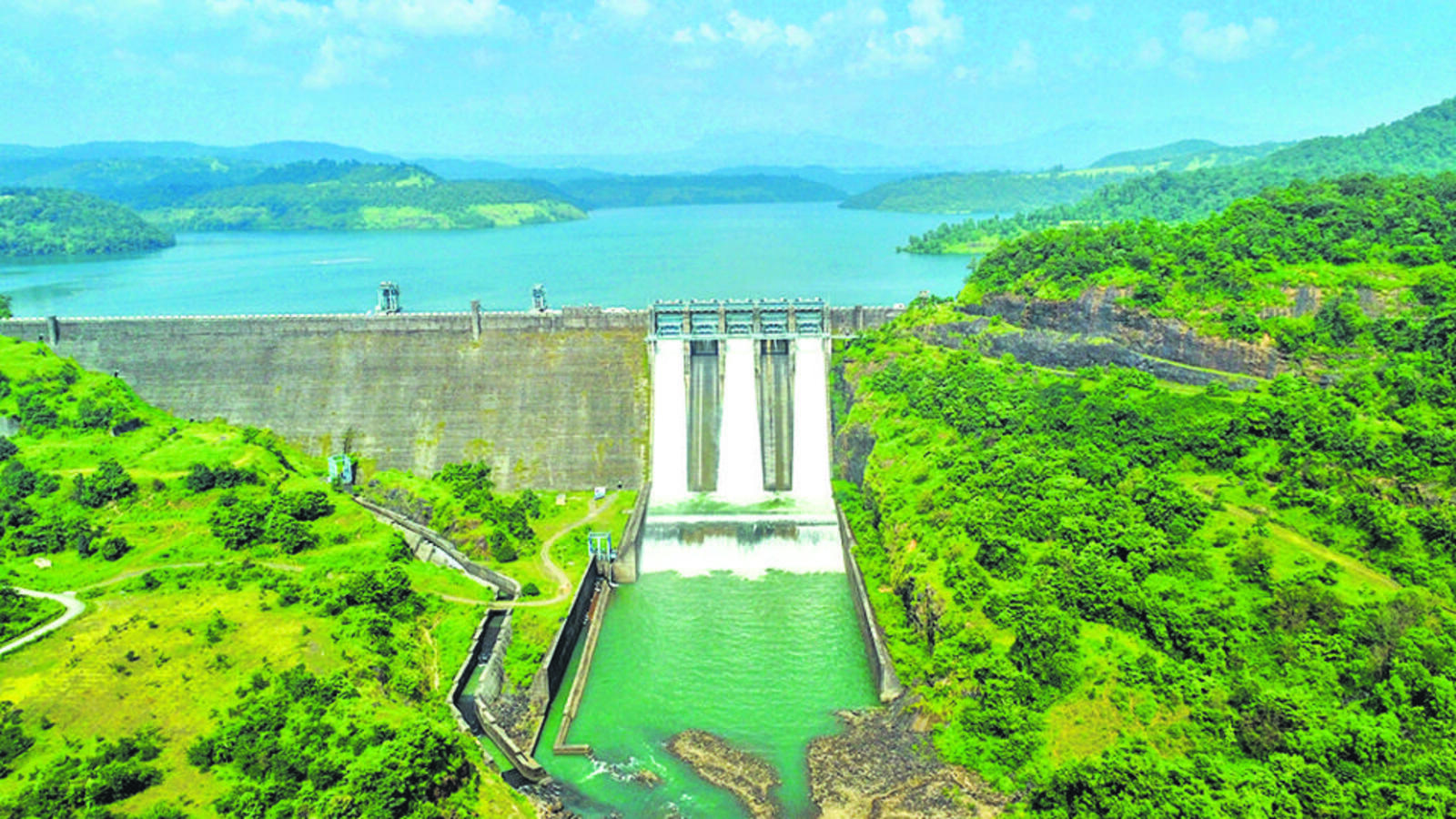
The Maharashtra cabinet has greenlit two major dam projects in the Karjat region of Raigad district.
Together valued at over ₹10,000 crore, the projects are expected to dramatically boost potable water availability across several key urban centres in the Mumbai Metropolitan Region (MMR), including Navi Mumbai, Ulhasnagar, Ambernath, Badlapur and Panvel. The decision forms part of a larger ₹18,842 crore investment in four critical water infrastructure projects across the state, with the dual intent of securing drinking water and expanding agricultural irrigation. At the centre of the plan is a ₹6,394.13 crore dam to be constructed on the Poshir River in Karjat. With a total capacity of 12.344 TMC (thousand million cubic feet), the reservoir is designed to deliver 7.933 TMC exclusively for drinking water and an additional 1.859 TMC for industrial use. This vital allocation will directly serve rapidly growing nodes within the MMR, enhancing water resilience in areas often strained during dry months.
In parallel, the state has approved a second dam on the Shilar River in Karjat, with a storage capacity of 6.61 TMC. This project will supply water to the municipal corporations of Panvel and Navi Mumbai, both of which are witnessing accelerated urbanisation and infrastructure expansion, necessitating long-term water planning. The decision reflects a broader shift in urban development policy—one that prioritises environmental sustainability alongside infrastructure expansion. As Maharashtra inches towards a zero-carbon, equitable city model, initiatives that link water access, climate resilience, and inclusive development are essential. Water security in the Mumbai region has become increasingly fragile, worsened by erratic rainfall and seasonal shortfalls. Experts have repeatedly warned that without augmentation of sources and improved distribution systems, core and peripheral areas alike will face regular supply disruptions. By tapping rivers in less exploited basins like Poshir and Shilar, planners aim to diversify supply channels while minimising ecological pressure on overburdened catchments such as the Vaitarna and Bhatsa. Beyond MMR, the cabinet has also approved ₹5,329.46 crore for the Sulwade Jamphal Kanoli lift irrigation scheme in Dhule, and ₹2,250 crore for the Aruna irrigation project in Sindhudurg and parts of Ratnagiri district. These schemes are expected to bring over 40,000 hectares under assured irrigation—boosting agricultural productivity in regions vulnerable to both drought and economic distress.
While the dam projects offer long-term relief, concerns remain around environmental assessments, displacement, and the timeline for execution. Experts insist that such megaprojects must integrate sustainable dam design, community participation, and strict monitoring mechanisms to avoid social and ecological fallout. As cities and rural regions alike grapple with water scarcity, the state’s decision signals a crucial step toward comprehensive water governance—marrying engineering scale with environmental sensibility. For the millions across MMR and beyond, the success of these dams may well define the future of equitable and sustainable urban living.
Also Read :Pune to Implement Metered Water Billing in 2026
