MMR NCR Real Estate Investments See ASK Exit Gains
A set of high-yield exits by ASK Property Fund from residential developments in Mumbai’s extended suburbs and Gurgaon signals renewed investor confidence in India’s mid-cycle housing markets, particularly in projects backed by strong sales velocity and urban demand fundamentals. The divestments, valued at around ₹400 crore, highlight how structured real estate investments are increasingly tied to execution efficiency and absorption rates in key urban clusters.
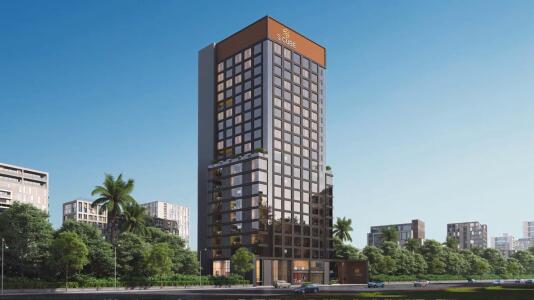
The fund’s exposure was spread across two projects one in Borivali within the Mumbai Metropolitan Region (MMR) and another in Gurgaon’s National Capital Region (NCR). Both developments fall within emerging residential corridors that have seen a steady rise in end-user demand, driven by improved connectivity, infrastructure upgrades, and a shift towards organised housing. In Borivali, the investment supported a redevelopment-led residential project spanning over six acres. Such redevelopment models are becoming central to Mumbai’s urban transformation, where land scarcity and ageing housing stock are pushing developers toward vertical expansion and land recycling. The project’s relatively quick sales traction enabled the fund to exit within a short holding period, delivering returns aligned with expectations for structured debt investments.
A similar pattern played out in Gurgaon, where the fund had backed a mid-sized residential development. The project achieved substantial pre-sales within roughly 18 months, underlining the continued resilience of NCR’s housing demand despite broader macroeconomic uncertainties. Industry experts note that projects with clear positioning, timely delivery, and developer credibility are increasingly attracting both buyers and institutional capital.The performance of these real estate investments reflects a broader trend in India’s property markets, where capital is gravitating towards self-liquidating residential assets. These are projects where cash flows from home sales enable faster repayment cycles, reducing risk for investors while maintaining liquidity in the system.Urban planners point out that such capital flows, when directed responsibly, can contribute to more efficient land use and improved housing supply.
However, they also stress the importance of aligning investment strategies with long-term urban goals, including sustainable construction practices, infrastructure readiness, and inclusive housing access. For cities like Mumbai and Gurgaon, where rapid urbanisation continues to strain infrastructure, the quality and planning of new developments remain critical. Investments that prioritise transit-oriented growth, environmental resilience, and community infrastructure are likely to shape the next phase of urban expansion.The exits also come at a time when institutional participation in India’s real estate sector is rebounding after a period of caution. Analysts suggest that disciplined underwriting, coupled with strong project-level governance, is helping rebuild investor trust. As capital continues to circulate through real estate investments in major urban regions, the focus is expected to shift towards projects that not only deliver financial returns but also align with evolving expectations around liveability, sustainability, and equitable urban growth.