Mizoram Bairabi–Sairang Rail Link Boosts Aizawl Connectivity And Economy
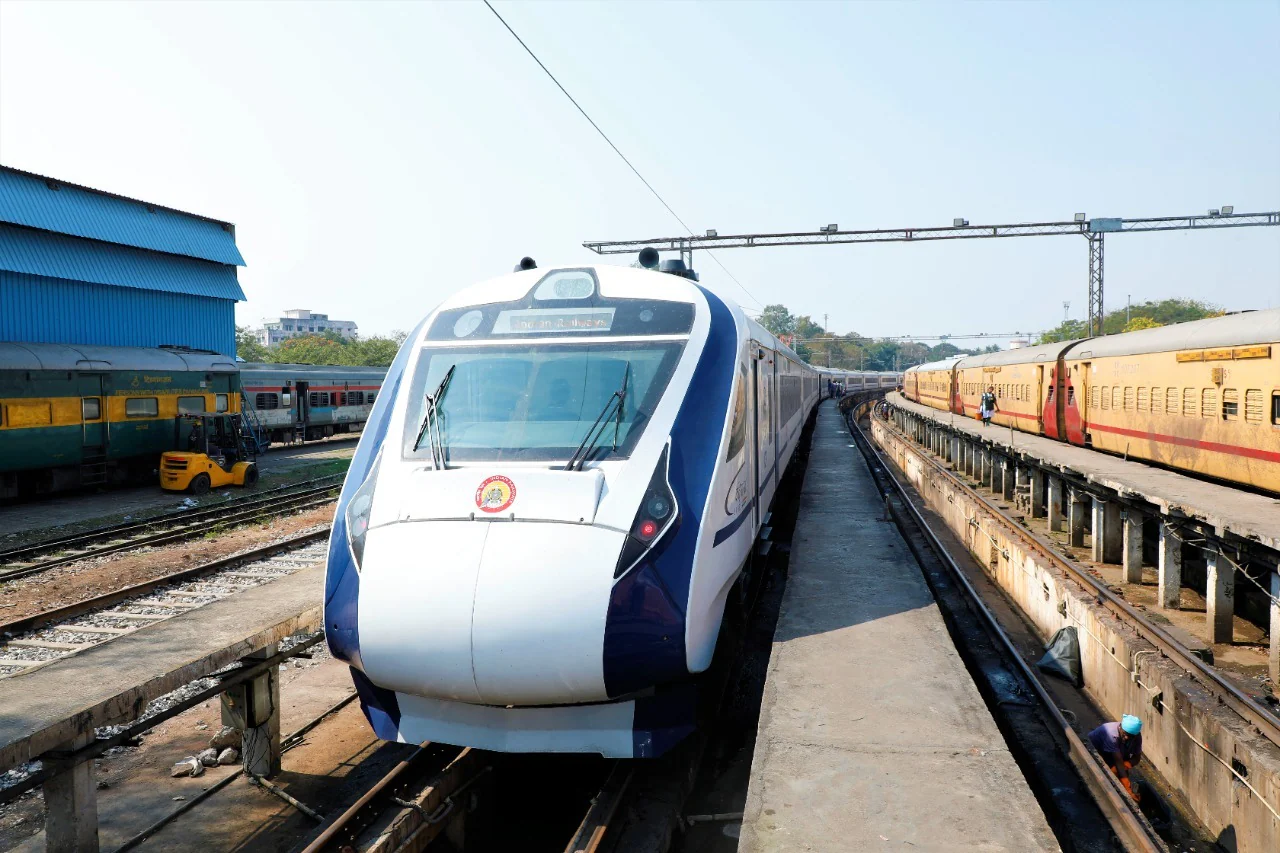
Aizawl, the capital of Mizoram, is now directly connected to India’s railway grid through the recently inaugurated Bairabi–Sairang line, a development hailed as a milestone for the Northeastern region. The project, completed at an investment of over ₹8,000 crore, aims to integrate Mizoram more firmly with the national economy, enhance mobility, and reduce the logistical challenges that once kept the state distant from major Indian cities.
The new railway stretch spans through some of India’s most difficult terrain, comprising 48 tunnels and over 140 bridges. Engineers note that this design sought to reduce disruption to forests and fragile ecosystems, although concerns over long-term ecological impact persist. Experts highlight that Mizoram’s topography, marked by dense bamboo forests and steep valleys, makes infrastructure both vital and vulnerable.
Officials argue the railway line is not just a transport project but a strategic investment. By cutting travel time drastically and reducing dependence on poor road networks, the line is expected to stimulate trade and tourism while making essential goods more accessible and affordable. Small businesses in Aizawl believe that connectivity to Assam’s markets will lower supply costs, although they remain cautious about whether rail can replace road transport, given that hundreds of trucks still carry goods into the state daily.
Environmentalists and academics have raised alarms that uncontrolled development could strain Mizoram’s delicate ecological balance. With nearly 90 percent of its land under forest cover and much of it bamboo, the state faces a fine balance between economic opportunity and conservation. Scholars warn that large-scale bamboo extraction or unsustainable road construction tied to railway expansion could trigger landslides, river pollution, and floodsproblems already visible in parts of the region.
The social dimension of connectivity is equally complex. Under Article 371G of the Constitution, Mizoram enjoys special rights to protect its land and cultural practices. Community leaders insist that while the railway can be a channel of growth, unchecked migration or illegal business practices could create demographic and social tensions. Inner Line Permits continue to regulate entry, but vigilance remains key as locals seek to preserve identity alongside development.
Strategically, the line fits into India’s larger Act East Policy. Officials suggest that Mizoram could serve as a crucial link for regional trade with Myanmar and beyond, reducing dependence on the narrow Siliguri corridor and improving troop mobility if needed. Analysts also point to mineral-rich zones across the border, suggesting that improved connectivity could serve wider economic and geopolitical goals.For now, the Bairabi–Sairang railway line stands as both a triumph of engineering and a test case for sustainable development in the Northeast. Whether it becomes a symbol of balanced growth or unchecked exploitation will depend on how carefully state and central agencies manage the opportunities and risks it presents.