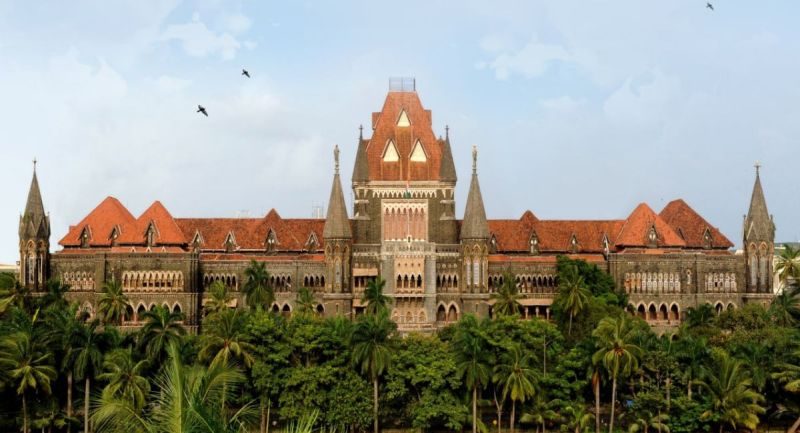
Mira Bhayandar Urban Plan Faces Legal Challenge In High Court
A legal confrontation over urban planning in Mira Bhayandar has intensified after social activists filed a contempt petition in the Bombay High Court against the Maharashtra government and the state urban development department, alleging failure to honour a judicial directive to finalise the city’s long‑pending revised Development Plan(DP). The dispute underscores simmering tensions between legal oversight, rapid population growth and the pressures of delivering sustainable infrastructure and services in one of the Mumbai Metropolitan Region’s (MMR) fastest‑expanding satellite cities.
The petitioners, who initially challenged the DP through a public interest litigation, had urged the court to consider projections showing Mira Bhayandar’s population climbing from around 1.3 million to as many as 2.5–3 million in coming decades — far exceeding the 2 million estimate used in the draft plan. Responding in late 2025, a bench of the High Court ordered the state to take a definitive decision on the revised DP by 30 November 2025. According to the contempt filing lodged this week, that deadline passed without a substantive policy outcome, triggering the legal action. Urban advocates behind the petition argue that lagging action on the city’s blueprint jeopardises infrastructural planning for essential services such as water supply, road widening, public transit depots, parks, schools and healthcare facilities. Their submission highlights concerns that the existing draft lacks adequate reservation of land for these needs, potentially locking in a blueprint that fails to match future demands. Mira Bhayandar’s projected demographic surge — if realised — could strain surface transport, civic services and open space provisions if not pre‑emptively planned.
The case highlights broader governance challenges in peri‑urban environments across India’s megacity hinterlands, where political cycles, resource constraints and technical planning complexity often slow comprehensive statutory planning processes. Mira Bhayandar, strategically nestled between Mumbai and the Vasai‑Virar belt, has seen infrastructure bottlenecks in water supply, road networks, housing and transit — partly due to piecemeal planning and delayed approvals. Local activists have linked these pressures to stalled municipal projects, including road upgrades and utility expansions. Planning experts note that robust development plans serve not just as regulatory guides for land use, but as frameworks for sustainable, inclusive growth — integrating transport corridors, zoning for affordable housing, green infrastructure and resilience to climate risks. With annual growth forecasts often outpacing planning cycles, delays in DP approval can muddy investment signals for private developers and hinder municipal budget allocations.
State authorities have yet to publicly detail their response to the contempt motion. However, governance insiders suggest that objections from several civic stakeholders — including concerns around perceived under‑provisioning for future population needs — may have slowed consensus on final plan parameters. Urban planners emphasise that timely statutory approval, paired with transparent citizen engagement, is essential to avoid ad hoc development that could lock in inequities or infrastructure deficits.
For residents and investors alike, the unfolding legal standoff signals a critical junction in Mira Bhayandar’s urbanisation trajectory. The High Court’s next steps — whether enforcing compliance or setting new timelines — will likely shape the city’s ability to support future growth, deliver resilient infrastructure and attract sustainable development aligned with the broader vision for the MMR’s balanced expansion.