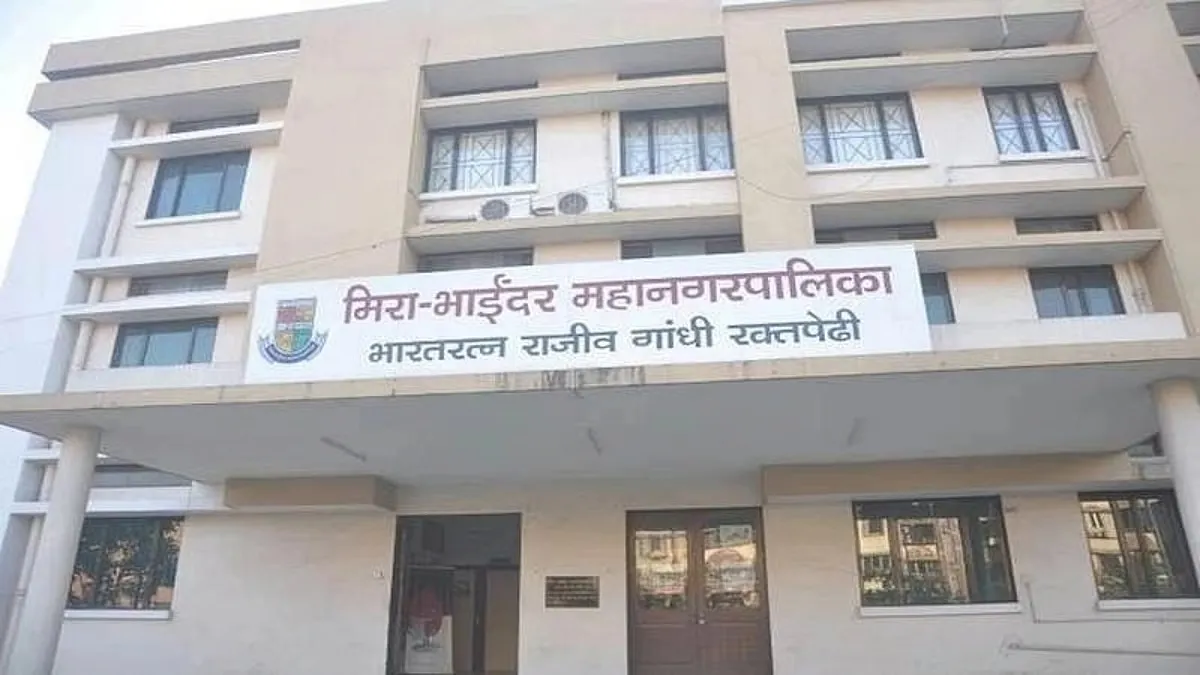
Mira-Bhayandar’s efforts to rebuild ageing and unsafe housing stock are set to gain momentum as the civic administration prepares to introduce a “mini cluster” approach to redevelopment. The proposal, now being pushed for approval at the State level, aims to categorise groups of at least five buildings—or eligible plots meeting minimum built-up criteria—into compact redevelopment clusters. Officials argue that the policy will help unlock long-delayed renewal across some of the densest neighbourhoods in the region.
During a recent review meeting at Mantralaya, senior State-level decision-makers directed the urban development machinery to prioritise the revised proposal. According to officials present at the meeting, widening the eligibility under the Unified Development Control and Promotion Regulations (UDCPR) will allow older buildings to be pooled together more easily, accelerating redevelopment where individual societies previously struggled to secure adequate space or financial viability. The proposed “mini cluster” framework is being designed specifically for buildings over 30 years old that require urgent renewal due to structural wear, dense occupancy, and limited access to safe temporary accommodation. Civic officials noted that the absence of transit housing has been one of the biggest barriers to redevelopment in Mira-Bhayandar. A phased cluster approach, they said, would allow residents to relocate more efficiently and reduce disruptions, especially for vulnerable groups such as senior citizens, women, and low-income families.
The administration is also examining precedents set by other cities, including Thane, where former gram panchayat areas with older building stock have been brought under cluster redevelopment norms. Under the UDCPR’s performance-based incentives, eligible structures in Mira-Bhayandar are expected to qualify for higher Floor Space Index (FSI), potentially above 6, depending on existing built-up area. Urban planners say such incentives can help create financially feasible, socially inclusive redevelopment models that strengthen resilience against climate-related risks. Parallel to this development, the State Cabinet has cleared a separate and expansive policy for the collective redevelopment of Maharashtra Housing and Area Development Authority (MHADA) layouts spanning 20 acres or more in Mumbai and its suburbs. The decision is expected to transform several decades-old colonies—home to thousands of middle-income households—into modern residential precincts equipped with essential amenities, green spaces, enhanced security, and improved mobility access.
Officials associated with the new MHADA policy said it will also streamline approvals by removing the requirement for unanimous consent, while ensuring that housing societies retain decision-making power. A dedicated oversight committee led by the Housing Department will monitor implementation to avoid delays and ensure that safety, accessibility, and environmental standards are adhered to. Together, these policy moves signal a broader push towards safer, more sustainable, and more equitable housing infrastructure across the Mumbai Metropolitan Region. For rapidly growing cities like Mira-Bhayandar, the shift from piecemeal redevelopment to cluster-based renewal may help create more resilient neighbourhoods capable of meeting future urban challenges.
Mira-Bhayandar To Boost Urban Redevelopment By Fast-Tracking Mini Clusters Across City