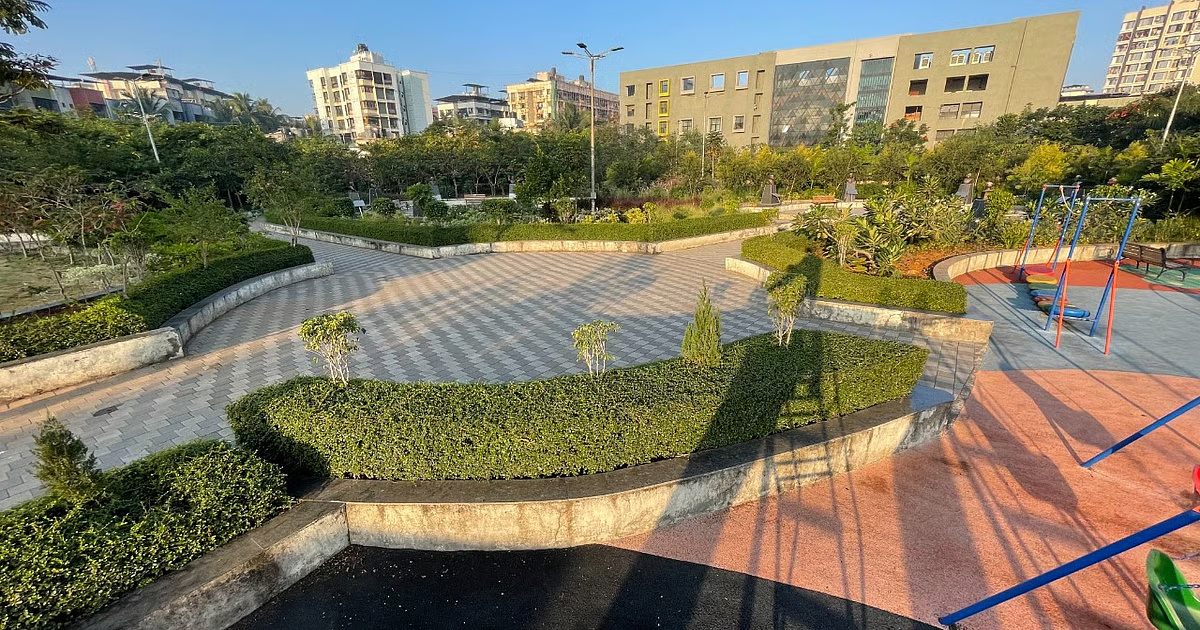
Mira-Bhayandar is set to add a new layer to its public infrastructure with the municipal corporation approving a dedicated dog park beneath an elevated metro corridor. The initiative marks a shift in how dense urban regions are reimagining underutilised transport spaces to serve social and community needs, while balancing animal welfare and liveability in fast-growing suburbs.
Officials familiar with the decision said the park will come up below a metro flyover along one of the city’s primary arterial roads, where unused land parcels often become encroachment-prone or informal dumping zones. By formalising the space into a managed public facility, the civic body aims to improve urban hygiene, safety, and accessibility, while responding to a steady rise in pet ownership across Mira-Bhayandar. Urban planners note that such projects reflect a broader trend of maximising land efficiency in high-density cities. Flyover underspaces, when left unattended, frequently create dead zones that divide neighbourhoods. Structured reuse—whether for parking, markets, sports facilities, or pet parks—helps stitch urban fabric back together, creating people-friendly environments without additional land acquisition.
According to civic officials, the proposed park will include defined play zones, basic agility infrastructure, feeding areas, and sanitation facilities designed specifically for pets. Seating and shaded areas are also planned for owners, allowing the space to function as a small-scale social node rather than a single-purpose enclosure. Officials said work orders have already been issued, indicating that on-ground development could begin shortly. Beyond pet recreation, the project fits into the municipal corporation’s wider approach to managing animal populations. Mira-Bhayandar has an active programme for vaccination, sterilisation, and medical care for animals, supported by municipal facilities and contracted services. Civic administrators say designated spaces for pets can reduce conflicts in residential colonies, public gardens, and footpaths, where unregulated pet activity often leads to complaints.
The city is also advancing plans for a separate shelter for stray dogs on land proposed to be acquired in the Uttan area. Once approvals are secured, the shelter is expected to provide holding, treatment, and rehabilitation facilities, helping the administration manage stray populations more systematically. Urban policy experts say such infrastructure is increasingly necessary as suburbs densify and human-animal interactions become more frequent. From a sustainability perspective, the dog park project demonstrates how cities can improve quality of life without expanding their physical footprint. By repurposing existing transport infrastructure spaces, municipal bodies can deliver inclusive amenities while avoiding additional construction emissions and land-use pressures.
As Mira-Bhayandar continues to grow along major transit corridors, projects like this signal a gradual move towards people-first and community-oriented planning. The success of the initiative will depend on long-term maintenance, clear usage rules, and citizen participation—factors that increasingly define whether urban infrastructure truly serves its residents.
Mira Bhayandar Plans Pet Friendly Urban Space