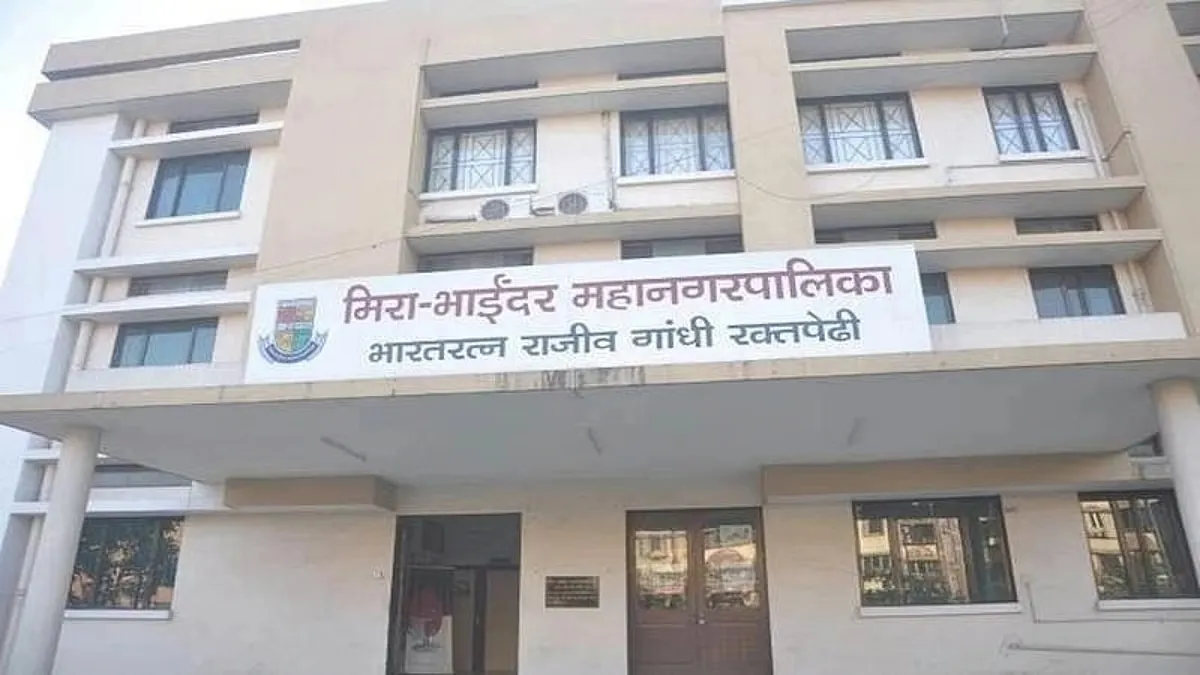
Mira-Bhayandar is poised to enter a new phase of urban regeneration with a mini-cluster redevelopment initiative aimed at addressing ageing and unauthorised housing. The state urban development department (UDD) is drafting the policy, which would reduce the minimum plot size for redevelopment clusters from 4,000 square metres to 2,500 square metres, potentially providing modernised homes to thousands of residents while regularising informal settlements.
Urban planners highlight that the mini-cluster approach targets clusters of at least five buildings with sufficient road access, creating a framework for safer, denser, and legally compliant redevelopment. A senior official from the UDD noted that the scheme would be integrated into existing Urban Renewal Plans and is designed to incentivise redevelopment with an additional Floor Space Index (FSI) of 0.5, allowing a maximum permissible FSI of 4. Mira-Bhayandar’s housing landscape presents a complex challenge. Many structures date back to the late 1970s and early 1980s, when the twin towns were still governed by a gram panchayat and informal construction practices proliferated. The transition to a municipal corporation brought civic amenities but did not prevent unauthorised construction, leaving many buildings unsafe for habitation today. Urban experts say this pattern is common in rapidly urbanising peri-urban areas where demand for affordable housing outpaces formal regulatory oversight.
The policy responds to both social equity and public safety concerns. A planning consultant observed that by reducing plot size requirements, the scheme can unlock stalled redevelopment projects while ensuring that residents in dilapidated buildings receive safer, legally recognised housing. “Focusing on building condition rather than plot size is a pragmatic approach that balances safety, inclusivity, and urban densification,” the consultant added. Implementation will follow a structured consultation process. The UDD has invited suggestions and objections as part of the regulatory amendment procedure, ensuring that stakeholders—including residents, municipal authorities, and urban development experts—can contribute to refining the final framework. Analysts note that such participatory mechanisms are critical for ensuring that redevelopment policies meet the practical needs of communities while aligning with long-term urban planning objectives.
The mini-cluster initiative also signals a broader shift in Maharashtra’s urban policy, favouring targeted interventions over blanket redevelopment schemes. By creating smaller, manageable clusters, the policy offers a pathway for systematic renewal in towns facing high densities of ageing and unauthorised housing, potentially improving living standards, safety, and access to civic infrastructure. Officials emphasise that once formalised, the scheme could serve as a template for other municipalities confronting similar informal housing challenges, representing a model of sustainable, inclusive, and people-first urban regeneration in the Mumbai Metropolitan Region.
Mira Bhayandar Advances Mini Cluster Redevelopment Plan