Ministry of Minority Affairs plans new Haj House in Navi Mumbai
Mumbai is set to get a new Haj House at Kharghar, Navi Mumbai, in a move aimed at improving infrastructure for Muslim pilgrims ahead of the Navi Mumbai International Airport (NMIA) becoming operational. The project, led by the Ministry of Minority Affairs, is designed to provide modern, accessible facilities to travellers embarking on the annual Haj pilgrimage.
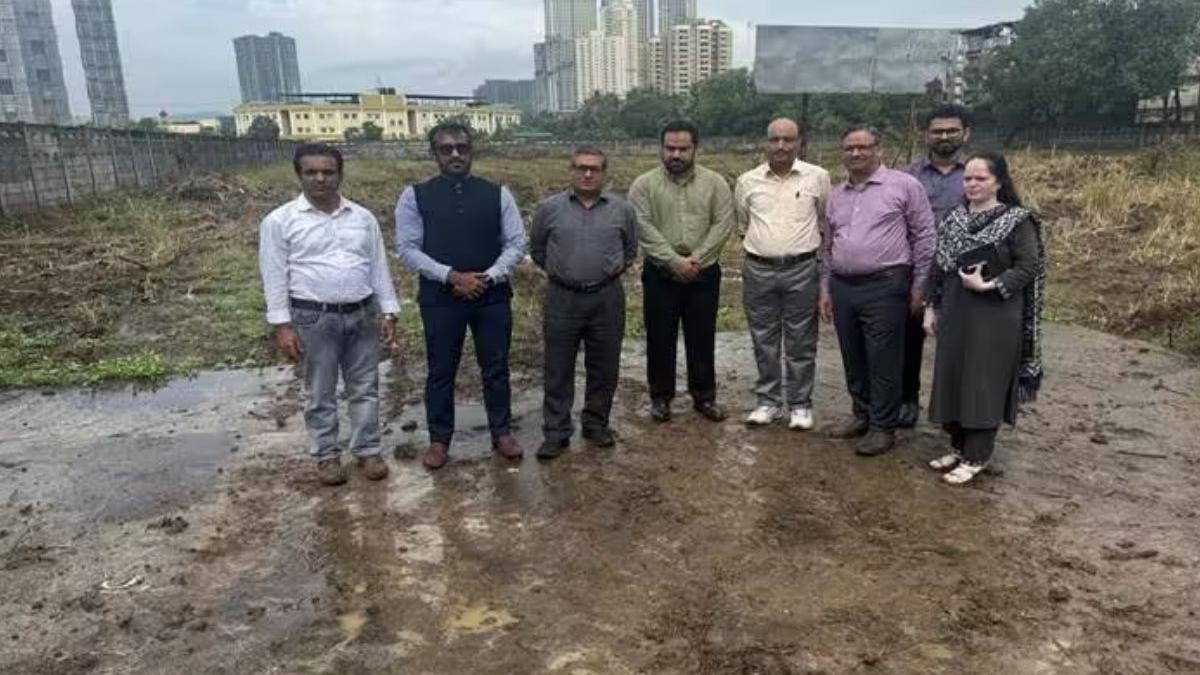
The proposed complex will replace the city’s existing Haj House near Chhatrapati Shivaji Maharaj Terminus (CSMT), which has served as a key transit point for decades but now struggles to accommodate rising pilgrim numbers. Officials from the Ministry, the Haj Committee of India (HCoI), and the Central Public Works Department (CPWD) recently visited the Kharghar site to finalise design and layout plans and assess logistical connectivity with NMIA.
According to senior officials, the new Haj House will integrate modern amenities, sustainable infrastructure, and improved mobility access. The proximity to the upcoming international airport will help streamline pilgrim processing, enhance comfort, and reduce travel time for those flying directly from Navi Mumbai. The project will also feature training and guidance facilities for first-time pilgrims, including orientation on rituals, health precautions, and travel protocols.
The existing Haj House in south Mumbai currently provides accommodation, dining facilities, health screenings, and administrative services for pilgrims. It also hosts community development initiatives such as coaching and guidance programmes for youth from the Muslim community. The relocation to Kharghar reflects a broader government push to decentralise key civic and cultural institutions and strengthen suburban infrastructure aligned with the metropolitan region’s growth pattern.
The upcoming NMIA, inaugurated in October 2025, is expected to begin full operations by December. Built across 1,160 hectares, its first phase will handle up to 20 million passengers annually and significantly ease congestion at Mumbai’s Chhatrapati Shivaji Maharaj International Airport in Andheri. With improved airport access, the new Haj House is expected to enhance travel convenience for thousands of pilgrims each year.
Urban experts note that the relocation aligns with Navi Mumbai’s emerging role as a planned urban extension of the Mumbai Metropolitan Region (MMR). The integration of religious infrastructure, transit connectivity, and social amenities marks a step toward inclusive, equitable, and well-distributed urban growth. Once completed, the facility could set a model for how civic infrastructure can evolve alongside sustainable urban development and mobility integration.