


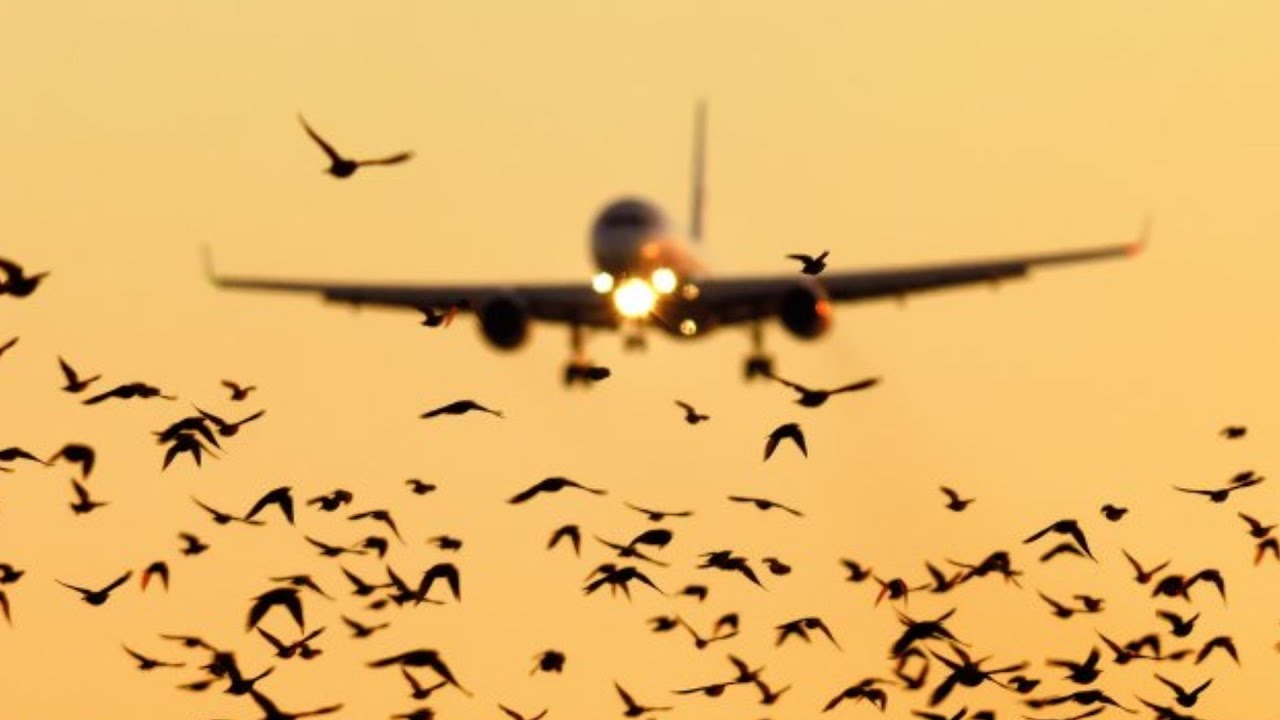
Recent findings by the Bombay Natural History Society (BNHS) have alleviated concerns about the potential impact of migratory birds on the new Navi Mumbai International Airport (NMIA).
The BNHS study, part of the Half-Yearly Compliance Report for Environmental & CRZ Clearance, indicates that migratory species, including flamingos, typically fly below the altitude of aircraft in their approach and departure paths. The study focused on bird flight patterns around the Thane Creek Flamingo Sanctuary and other nearby wetlands, which have been a point of concern for Navi Mumbai International Airport Limited (NMIAL).
Notably, some of these sites—such as NRI Colony, Training Ship Chanakya (TSC), and Delhi Public School (DPS)—fall within the Inner Horizontal Surfaces (IHS) of NMIA, raising questions about potential conflicts with aviation operations. According to preliminary data, the BNHS report confirms that the flight elevations of birds around Thane Creek are well below the altitudes used by aircraft on NMIA’s runways 08L and 08R, as well as Runway 09-27 at the existing Mumbai airport.
This finding reassures that the proposed flight paths for NMIA will not intersect with the migratory routes of these birds. The study covered eleven sites, including eight wetlands and three forested areas, to assess the local bird populations and their movements. The findings highlight that bird movements are closely linked to tidal variations and water levels in wetlands, underscoring the importance of preserving these habitats. Activists had previously raised concerns about the environmental impact of construction activities, notably the blocking of water flow to DPS Flamingo Lake, which had resulted in the death of flamingos.
In response to the BNHS report, NatConnect Foundation has urged the government to expedite measures to protect these vital wetlands. The report commits to implementing BNHS’s recommendations for biodiversity conservation around the airport site. The Navi Mumbai Municipal Corporation (NMMC) has requested CIDCO to transfer the wetlands’ maintenance to the civic body, though CIDCO has yet to respond to this request.
Additionally, the BNHS report includes insights from ringing studies around Mumbai, which have revealed the city’s critical role in the Central Asian Flyway—a key migratory route for wader species. Mumbai’s wetlands are crucial for supporting these populations during their wintering period in India.
