


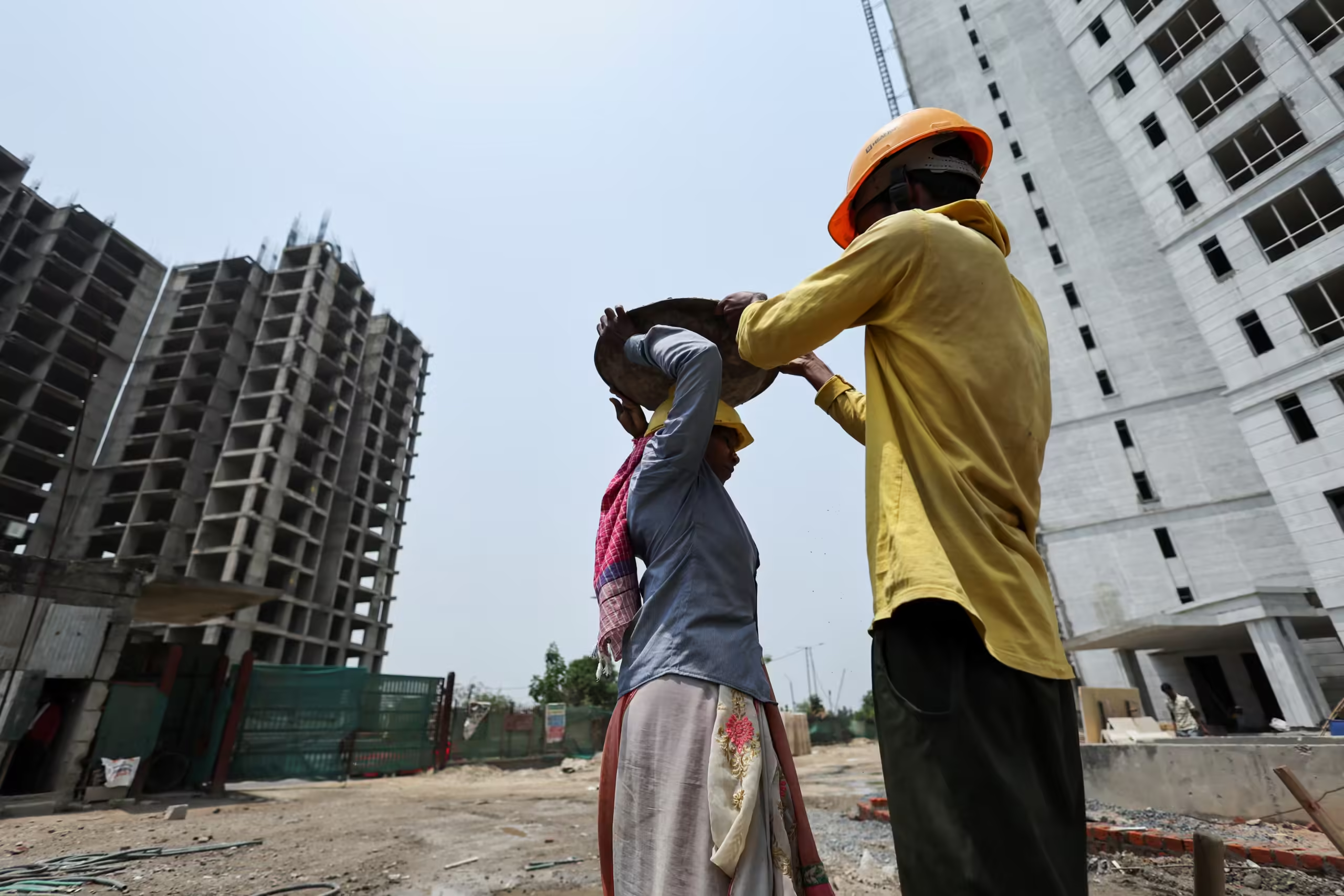
Bengaluru’s migrant workers, forming nearly 20% of the city’s population, are disproportionately impacted by escalating climate challenges. From scorching heat waves to unpredictable rains, the city’s changing weather patterns have left this vulnerable community struggling for survival. With limited access to stable housing, sanitation, and healthcare, many are forced to live and work in perilous conditions. Experts highlight that informal workers, who are crucial to Bengaluru’s economic engine, face compounded challenges due to climate-induced disruptions that further destabilise their precarious livelihoods.
The situation reflects a broader civic issue of inadequate infrastructure and planning. Bengaluru’s urban sprawl has exacerbated its vulnerability to climate change, creating unsafe living environments for migrant labourers. Labour colonies often lack basic amenities, exposing workers to extreme heat and water shortages. A 2023 report by the Indian Institute of Human Settlements revealed that over 60% of the city’s low-income residents, including migrants, live in informal settlements prone to flooding during heavy rains. This creates a vicious cycle where these workers, who build the city’s infrastructure, cannot access safe and secure spaces themselves.
From a sustainability perspective, the plight of migrant workers calls for systemic changes. Solutions such as climate-resilient housing, better waste management, and access to clean water can alleviate the immediate impacts of climate change. Urban planners argue for incorporating worker-friendly designs into new developments, ensuring inclusivity and equity. Recent sustainable initiatives, like solar-powered shelters and water harvesting systems in construction zones, have shown promise but require scaling and political commitment to create tangible impact.
As Bengaluru strives to cement its status as a global technology hub, the human cost of progress must not be ignored. A more equitable approach to urban development is essential to ensure that the city’s growth is not built on the back of its most vulnerable residents. Recognising and addressing the hardships faced by migrant workers is critical for creating a resilient and sustainable urban future.
