Middle East Crisis Raises Global Infrastructure Risks
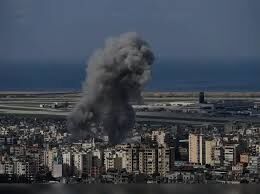
A sharp escalation in tensions between the United States and Iran has brought critical infrastructure into the centre of a rapidly evolving geopolitical crisis, raising concerns over global energy security, trade routes, and economic stability. The situation, marked by military signalling and targeted strikes, underscores how modern conflicts are increasingly shaped by control over strategic infrastructure assets.
Recent developments indicate that potential US action could extend beyond military targets to include key infrastructure systems, while Iran has signalled retaliatory capabilities that may affect regional energy and logistics networks. This has heightened fears of disruption to the Strait of Hormuz, a vital maritime corridor through which a significant share of global oil supplies is transported. The evolving Middle East infrastructure crisis has already seen targeted military strikes on strategic locations, with both sides positioning infrastructure as a pressure point in the conflict. Analysts note that such assets—ranging from ports and oil terminals to power grids—are often leveraged in geopolitical confrontations due to their outsized economic and symbolic value. For global markets, the implications are immediate. Any disruption to oil supply chains passing through the Gulf region could trigger volatility in energy prices, with ripple effects across inflation, transport costs, and industrial production. Countries dependent on energy imports, including India, remain particularly exposed to such shocks.
Urban and infrastructure experts highlight that the crisis reflects a broader shift in how conflicts impact cities and economies. Unlike conventional warfare, where frontlines are geographically defined, infrastructure-led disruptions can have far-reaching consequences, affecting supply chains, urban services, and economic systems far beyond the conflict zone. The risk is not limited to energy. Ports, shipping routes, and digital infrastructure systems in the region could also become indirect targets or collateral damage, potentially slowing global trade flows. This interconnectedness means that even a localised escalation can quickly translate into global economic stress. At the same time, diplomatic efforts appear to be underway to prevent further escalation. Temporary pauses in military action and backchannel negotiations suggest that both sides are weighing the broader consequences of a prolonged conflict. However, the situation remains fluid, with the potential for rapid shifts depending on strategic decisions. From a planning perspective, the crisis highlights the vulnerability of critical infrastructure to geopolitical risk. Governments and urban systems worldwide are increasingly being forced to consider resilience not just in terms of climate or natural disasters, but also in the context of global conflict and supply chain exposure.
The Middle East infrastructure crisis also underscores the importance of diversification—whether in energy sourcing, trade routes, or strategic reserves—as a buffer against external shocks. For rapidly urbanising economies, building such resilience is becoming central to long-term stability. As tensions continue, the focus will remain on whether diplomatic channels can contain the conflict or if further escalation will bring critical infrastructure into direct confrontation. The outcome will not only shape regional stability but also influence global economic and urban systems in the months ahead.