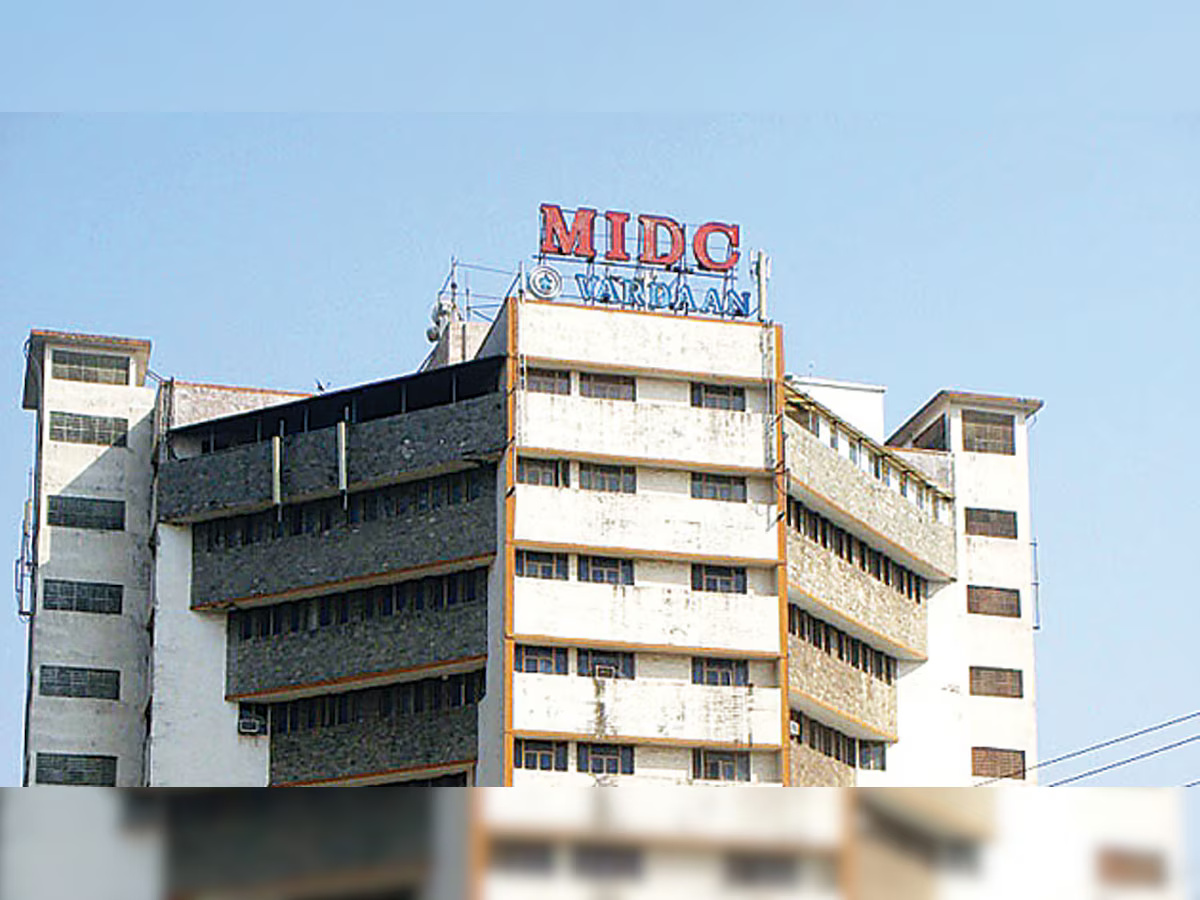
The Maharashtra Industrial Development Corporation (MIDC) has introduced a significant governance reform by decentralising key land-related decision-making powers to its regional offices, a move expected to substantially reduce approval timelines for industrial projects across the state. The change, formalised through an internal circular issued in mid-December, marks a structural shift in how industrial land is administered in Maharashtra and has direct implications for investment velocity, job creation, and regional economic balance.
Under the revised framework, regional MIDC offices are now authorised to process and approve a wide range of land matters that were previously routed through the corporation’s headquarters. These include permissions for land transfers, subleasing, plot consolidation and subdivision, as well as extensions to development timelines. Officials familiar with the policy say the intent is to eliminate repetitive procedural layers that often delayed project execution, particularly for smaller industrial units. For Maharashtra’s extensive network of micro, small and medium enterprises, the reform could be transformative. MSMEs typically operate with constrained capital cycles and tight project schedules, making prolonged approval processes costly and, in some cases, commercially unviable. By moving decisions closer to project locations, MIDC aims to align industrial land governance with the realities of on-ground entrepreneurship.
Urban economists note that decentralised decision-making is increasingly viewed as essential for balanced industrial development. Maharashtra’s industrial estates span metropolitan regions, secondary cities, and emerging manufacturing clusters, each with distinct land-use challenges. Empowering regional offices allows faster context-specific decisions, reducing dependence on centralised administrative interpretation and improving predictability for investors. The reform is also expected to strengthen transparency and accountability. With regional officers directly responsible for approvals, decision trails become shorter and easier to audit. Industry bodies say this could help curb informal delays while improving coordination between MIDC, local planning authorities, and utilities — a critical factor for time-sensitive industrial projects.
From an urban development perspective, faster industrial land processing has wider implications. Efficiently developed industrial estates can reduce unplanned sprawl, support compact employment zones, and lower freight-related emissions by bringing jobs closer to residential areas. Planners point out that such administrative efficiency complements Maharashtra’s broader goals of climate-resilient and infrastructure-led growth. MIDC officials have indicated that the corporation will continue to monitor implementation closely, with digital tracking systems expected to support consistency across regions. Over time, the success of the decentralisation model may influence how other urban and infrastructure agencies in the state approach administrative reform.
As Maharashtra competes with other industrialised states for manufacturing and logistics investments, the effectiveness of this shift will be measured not just in approvals cleared, but in how quickly projects translate into operational factories, local employment, and resilient regional economies.
MIDC Decentralises Land Decisions to Regional Offices