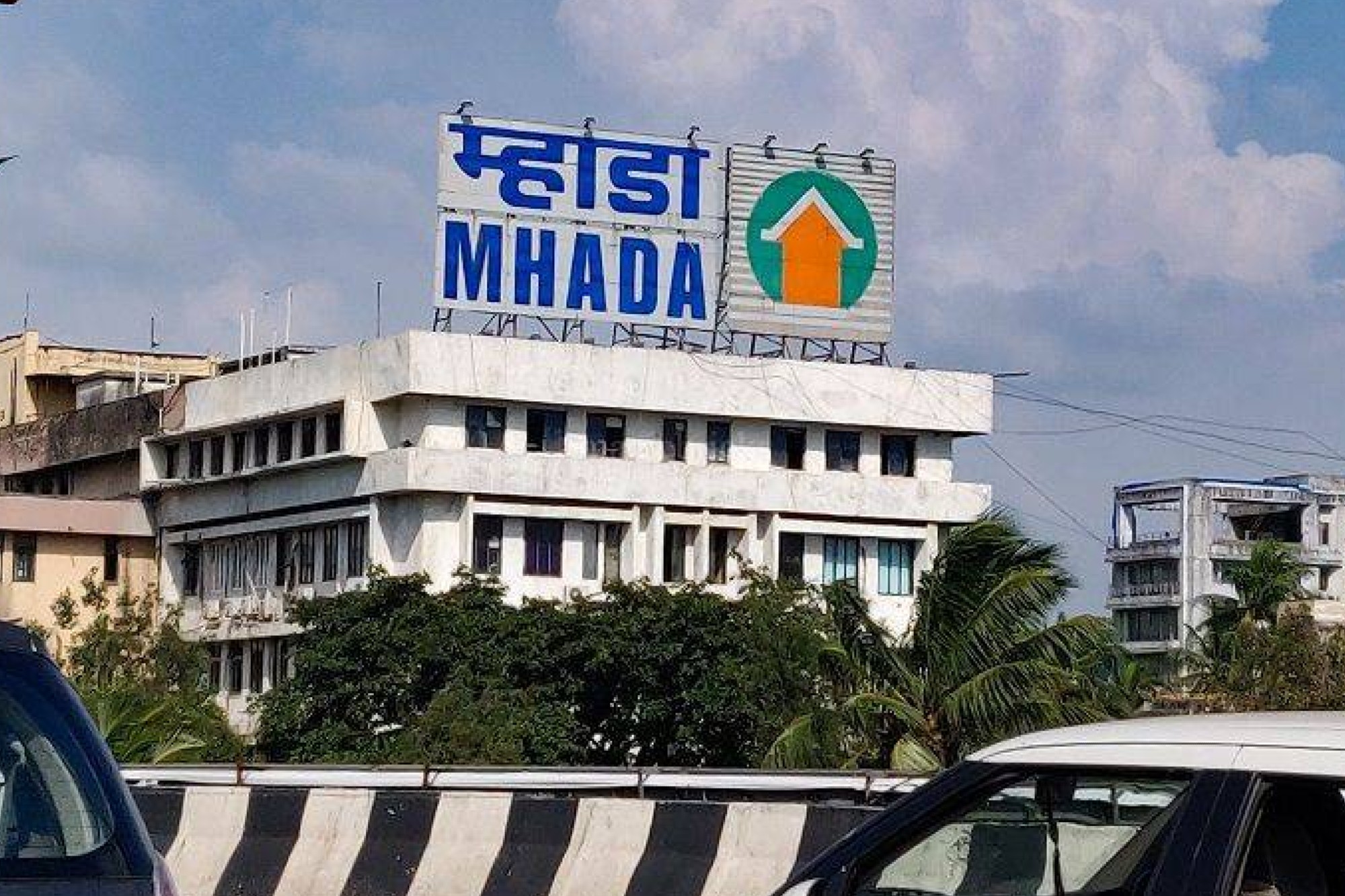
MHADA Drives Urban Renewal To Expand Affordable Housing
The Maharashtra Housing and Area Development Authority (MHADA) has launched an effort to liquidate part of its unsold residential inventory by offering 120 flats in Mumbai on a first-come, first-served (FCFS) basis, a significant shift from the traditional lottery system that has long governed affordable housing allocations in the city’s red-hot real estate market. The programme, slated to open for online registration from 11 a.m. on 5 February 2026, aims to improve access and transparency for eligible buyers amid persistent urban housing shortages and long waiting lists.
The flats, previously offered in MHADA lotteries but remaining unclaimed, are spread across multiple Mumbai suburbs including Kandivali, Malad, Wadala, Powai, Mankhurd, Ghatkopar, Byculla, Lower Parel, Sion and Andheri West. Of the total stock, 84 units are newly constructed by MHADA while the remaining 36 have been acquired under the city’s Development Control Regulations (DCR 33(5) and 33(7)), reflecting diverse housing typologies and locations.Under the FCFS mechanism, prospective buyers must register via MHADA’s official portal, submit an application, pay the earnest money deposit and application fee, and then finalise unit selection online. Once a flat is chosen, buyers are required to pay 10 % of the sale price within 48 hours to secure the provisional offer, after which the remaining balance must be cleared typically within 90 days, with extensions available subject to interest and MHADA norms.
The move comes as MHADA seeks to reduce inventory that has lingered on the books despite previous lottery rounds. Real estate analysts note that the city’s persistent housing demand — buoyed by ongoing job growth, urban migration and investor interest in ready-to-move-in units — has outstripped supply affordability, particularly for middle-income buyers priced out of private sector developments. Transitioning unsold units to a FCFS policy could accelerate allocations and provide a clearer pathway for eligible homebuyers.Housing policy experts observe that while lottery schemes aim to ensure equitable distribution, they can also slow absorption of completed units when demand mismatches occur or applicants miss lottery opportunities. FCFS systems reduce uncertainty and administrative lag, making allocation more responsive — though they raise questions about fairness and priority for vulnerable groups. Clear eligibility criteria, including requirements around Aadhaar and PAN documentation and age limits, are designed to maintain transparency and deter speculative activity.
From a broader urban development standpoint, making ready housing stock available aligns with city-wide affordability challenges. Mumbai continues to grapple with one of India’s highest housing price indices, prompting policymakers to explore mechanisms that unlock existing supply and broaden access to lower-cost home ownership. MHADA’s inventory push also highlights persistent gaps between housing production and effective demand capture among diverse income segments.However, analysts caution that FCFS allocations must be paired with broader strategies addressing long-term affordability, finance access, and infrastructure integration. For example, access to housing loans and pre-sanctioned financing will play a critical role in helping eligible buyers convert online allotment options into actionable purchases.
Looking ahead, MHADA’s FCFS initiative could serve as a pilot for other urban markets navigating unsold affordable inventories. By streamlining allocation and reducing procedural lag, authorities aim to convert dormant housing stock into occupied homes, helping realise both social equity and broader city planning objectives.