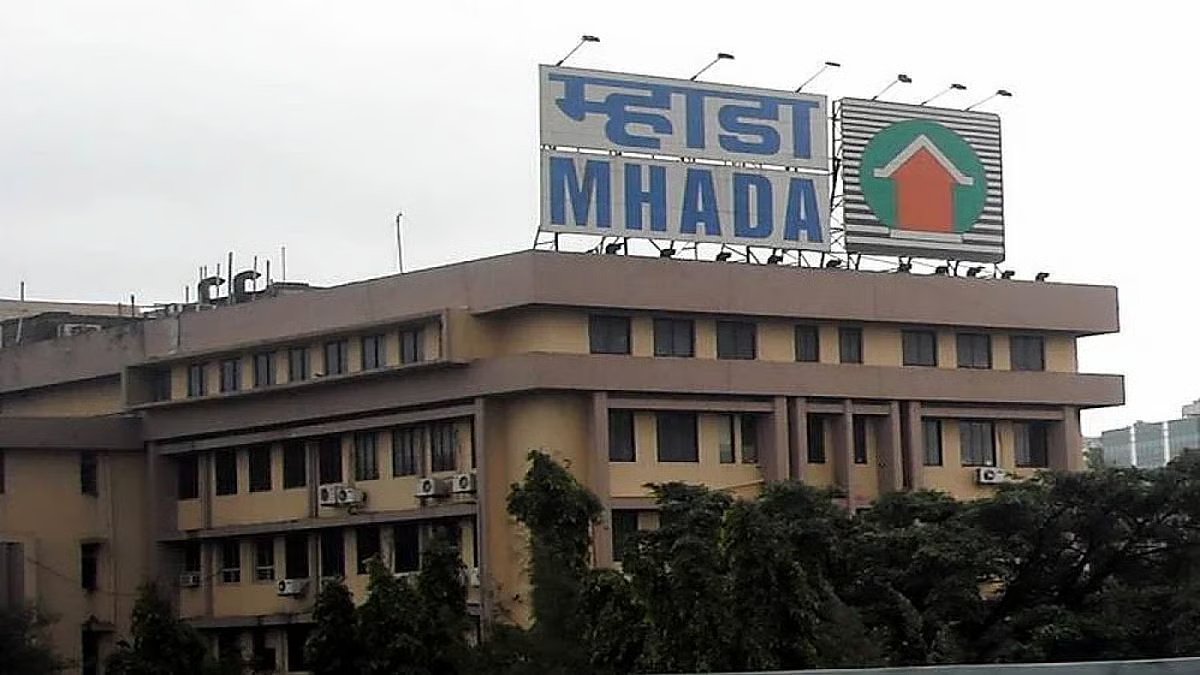
Mumbai’s public housing authority is advancing a large-scale redevelopment strategy across some of the city’s most valuable land parcels, signalling a renewed push to transform ageing housing clusters into planned, high-density urban neighbourhoods.
The initiative spans key locations in Bandra, Andheri West, and Worli, covering over 40 hectares of land currently occupied by older residential layouts. The redevelopment aims to replace deteriorating structures with modern housing, upgraded civic infrastructure, and integrated community spaces, aligning with the city’s long-term development framework under DCPR 2034. At the centre of this effort is a cluster-based redevelopment model, which enables holistic planning of entire neighbourhoods rather than piecemeal building upgrades. Urban planners note that such an approach can significantly improve infrastructure efficiency, allowing for better road networks, drainage systems, and open spaces—critical in a dense city like Mumbai.
In Bandra’s coastal precinct, the authority is preparing to redevelop an existing housing layout through a development agency model. The selected entity will be responsible for project execution, including planning, approvals, and phased construction. Officials indicate that the project will balance rehabilitation housing with new residential supply, while introducing planned amenities and safety infrastructure. The largest component of the redevelopment lies in Andheri West, where one of the city’s oldest housing layouts is being reimagined. Spread across nearly 30 hectares, the site accommodates thousands of tenements, many of which are structurally outdated. The proposed plan includes significant upgrades in housing size, formalised parking provisions, and financial support mechanisms for residents during the transition period. This reflects a broader shift towards improving living standards within public housing ecosystems.
In Worli, another strategically located land parcel is being prepared for integrated redevelopment. The plan focuses on creating a mixed-use urban environment, combining residential units with commercial spaces and public amenities. Experts highlight that such redevelopment in central locations can unlock land value while also improving urban form, provided infrastructure capacity is upgraded in parallel. The scale of these projects underscores a critical challenge facing Mumbai—how to renew ageing housing stock without exacerbating density pressures or displacing vulnerable communities. While redevelopment offers an opportunity to modernise living conditions, its success depends on transparent implementation, timely delivery, and adequate rehabilitation measures.
From a sustainability standpoint, large-scale redevelopment presents both risks and opportunities. If designed effectively, such projects can incorporate energy-efficient buildings, water management systems, and climate-resilient infrastructure. However, without careful planning, they may also increase resource consumption and strain existing urban systems. Urban policy experts emphasise that integrating public transport access, green spaces, and social infrastructure into redevelopment plans will be key to ensuring long-term liveability. The projects also highlight the need for balancing commercial viability with inclusive housing outcomes, particularly in high-value urban zones.
As Mumbai continues to grapple with land scarcity and infrastructure stress, the success of these redevelopment efforts could set a precedent for how Indian cities approach large-scale urban renewal—shaping not just skylines, but the everyday quality of life for residents.
MHADA Unveils Large Scale Redevelopment Across Bandra, Andheri, Worli