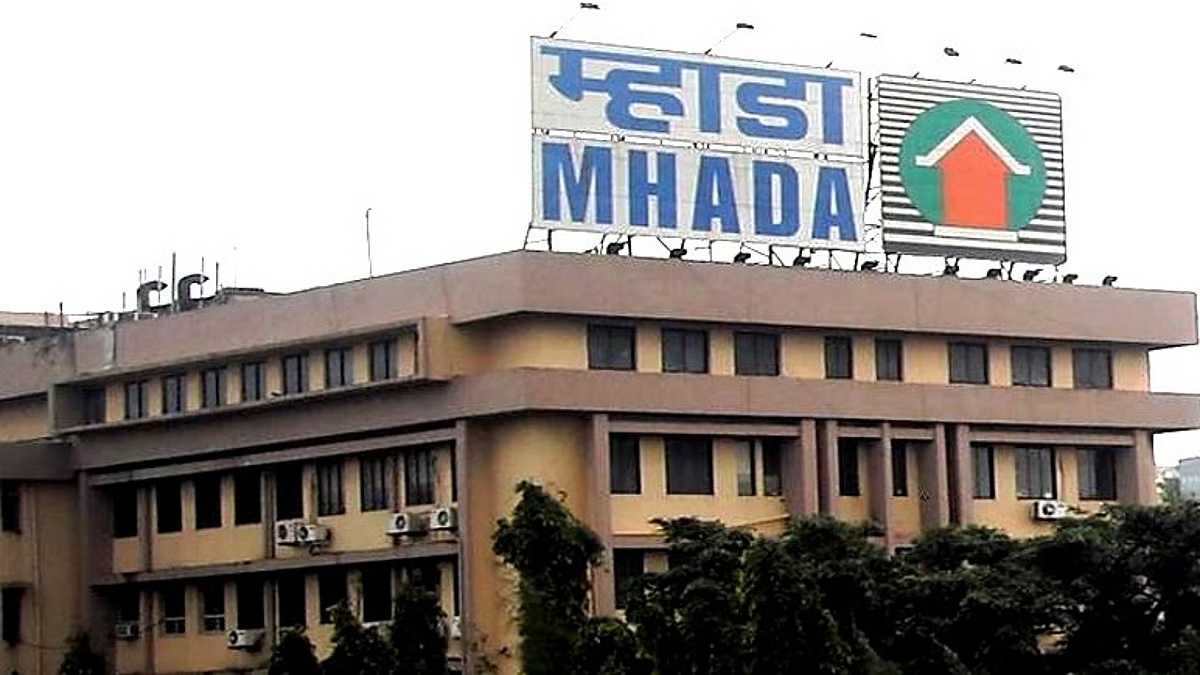
Mumbai’s long-delayed redevelopment of 388 ageing MHADA buildings across South Mumbai is set to gain traction, as the state housing authority has agreed to intervene after private developers repeatedly pulled out. These structures, housing over 27,000 residents, have faced persistent obstacles including compact plot sizes and lack of consensus among tenant societies, leaving essential upgrades stalled for decades.
Situated in key southern neighbourhoods such as Colaba, Girgaon, Mumbadevi, Byculla, Sewri, Prabhadevi and Mahim, each building contains between 80 and 100 small flats, typically ranging from 100 to 200 sq ft. Most were last rebuilt by MHADA three to four decades ago, replacing nearly 900 older structures at the time. Today, the buildings show significant structural wear, yet their limited land parcels of 400–600 sq metres make them commercially unviable for private redevelopment under current norms. Repeated attempts by resident societies to combine adjoining plots to attract private developers have largely failed due to internal disagreements. With the conventional redevelopment route stalled, the MHADA Sangharsh Kruti Samiti, representing affected residents, petitioned state authorities for intervention.
A breakthrough emerged when the Self-Redevelopment Authority confirmed in writing that MHADA would undertake redevelopment if groups of buildings jointly passed resolutions requesting it. “If a cluster of buildings decides that MHADA should lead the redevelopment, the agency will step in,” noted an official familiar with the correspondence. This move removes a critical barrier for many residents who had been caught in redevelopment limbo. Eknath Rajapure, working president of the Samiti, described the decision as a major relief. “Nearly one-third of these buildings can immediately benefit from this intervention,” he said, highlighting that MHADA’s ownership of the land simplifies coordination and accelerates planning.
The association is also advocating for the extension of the Mini-Cluster Redevelopment Policy, currently under discussion for Mira-Bhayandar, to Mumbai. This policy would reduce the minimum plot size required for cluster redevelopment to 4,000 sq ft, potentially bringing many more structures into eligibility and paving the way for sustainable, inclusive housing upgrades in the city’s oldest neighbourhoods. Experts emphasise that government-led redevelopment initiatives in South Mumbai are critical for balancing heritage conservation, resident welfare, and urban density management. By directly intervening, MHADA could accelerate the city’s transition towards more resilient and inclusive housing, setting a precedent for future redevelopment projects across metropolitan India.
MHADA To Redevelop 388 Old South Mumbai Buildings As Developers Step Back