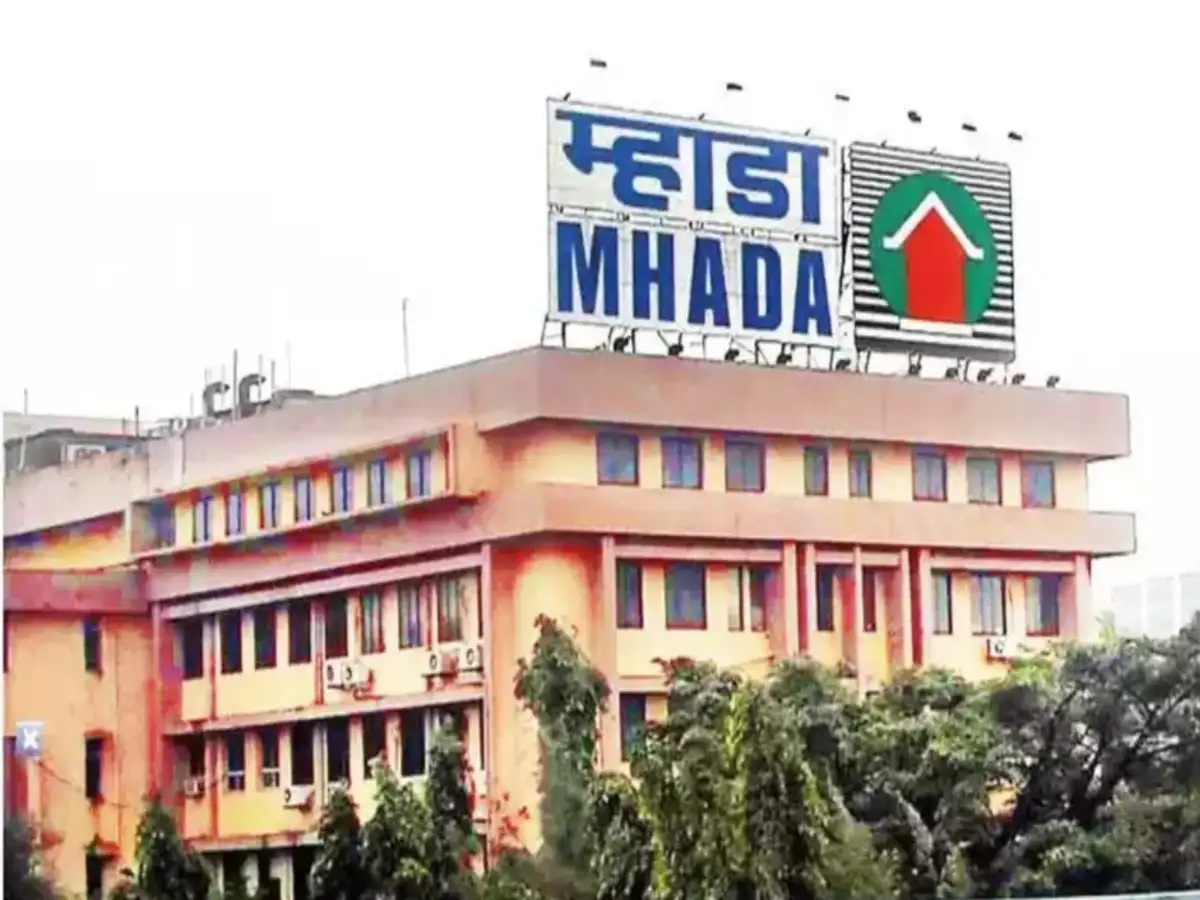
A proposed regional connectivity project is set to significantly reshape an affordable housing plan in Kalyan, underscoring the growing tension between large-scale transport infrastructure and inclusive urban development in the Mumbai Metropolitan Region (MMR). The alignment of the upcoming Virar–Alibaug multimodal corridor is expected to pass through land earmarked for public housing, forcing authorities to reconsider layout, density, and delivery timelines.
The affected site is a land parcel at Shirdhon in Kalyan that had been reserved by the state housing authority for the construction of homes across economically weaker, low-income, and middle-income categories. Urban planning officials familiar with the project indicated that a substantial strip of this land will be required to accommodate the corridor’s right of way, resulting in the housing site being physically divided into two separate sections. Preliminary assessments suggest that nearly five hectares of the housing plot may be acquired for the transport project. This intervention will disrupt the original plan of developing a single, contiguous residential layout and instead require a fragmented design on either side of the corridor. Urban planners note that such fragmentation often leads to higher construction costs, challenges in service integration, and potential delays in project execution.
The Virar–Alibaug corridor is one of the most ambitious mobility projects planned for the MMR, designed to improve east–west and north–south connectivity across multiple districts. Spanning over 120 kilometres, the corridor is envisioned as a multi-modal spine with dedicated infrastructure for road traffic, mass transit, and bus-based systems. Officials overseeing regional mobility planning say the project is critical to reducing travel time, easing pressure on existing highways, and supporting decentralised economic growth. However, housing experts caution that transport-led development must be carefully balanced with the region’s acute need for affordable homes. Kalyan–Dombivli remains a key growth zone for workforce housing due to its proximity to industrial belts, logistics hubs, and emerging employment centres. Any reduction or delay in public housing supply could exacerbate affordability pressures for lower- and middle-income households.
From a sustainability perspective, planners argue that integrating housing and mobility infrastructure remains essential for building low-carbon, people-first cities. Compact development, seamless access to public transport, and uninterrupted community layouts are seen as crucial for reducing car dependency and improving quality of life. Fragmented housing sites, if not carefully redesigned, risk undermining these objectives. Officials indicated that revised layouts are being explored to minimise the impact on housing capacity while aligning with the corridor’s technical requirements. The coming months are expected to see detailed redesigns, environmental assessments, and coordination between transport and housing agencies. How effectively these plans are harmonised will serve as an important test case for responsible urban growth in the rapidly expanding MMR.
MHADA Project in Kalyan Hit by Transport Alignment