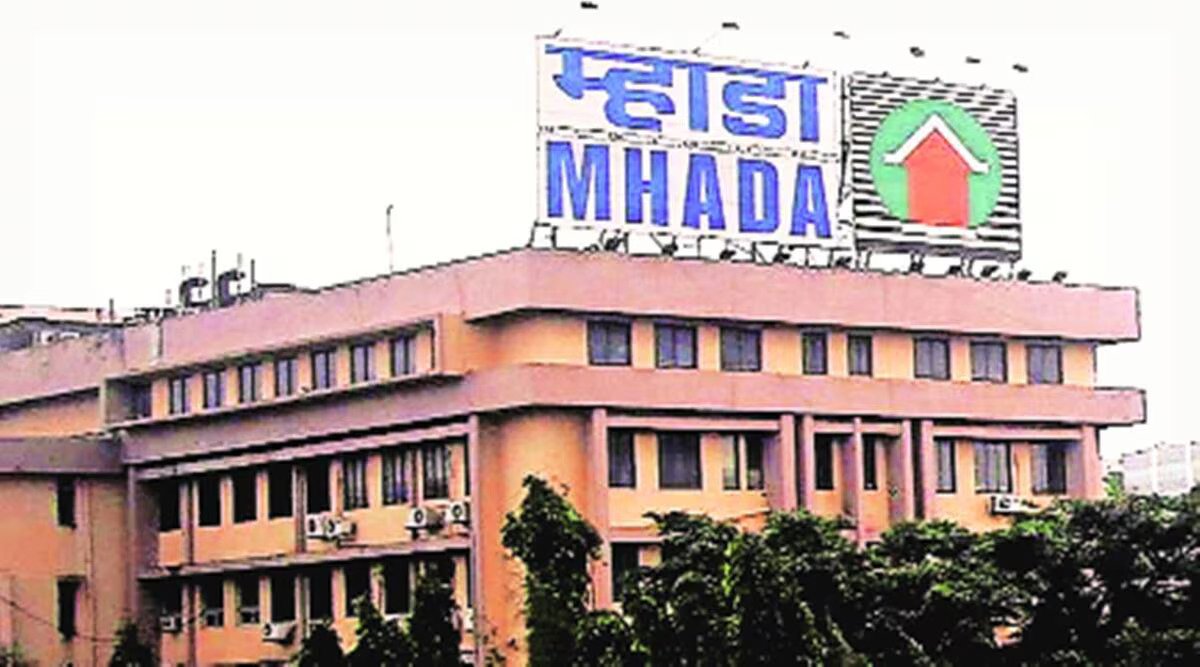
The Maharashtra Housing and Area Development Authority (MHADA) is set to announce its 2026 lottery for affordable housing in Mumbai by March 31, according to a senior MHADA official. The draw, a key mechanism for equitable urban housing allocation, is expected to include approximately 5,000 units across multiple income categories, ranging from economically weaker sections (EWS) to high-income groups (HIG).
Half of these homes are likely to be situated in Goregaon, reflecting the city’s ongoing efforts to balance population density and urban expansion with accessible housing. Urban planners note that MHADA’s lottery system remains one of the few structured avenues for affordable homeownership in Mumbai, a city where property prices often outpace median incomes. A substantial portion of the forthcoming units comes from under-construction projects, with some developments still in early stages. Housing experts estimate that possession for many of these homes may only be available post-2028. The Patra Chawl project in Goregaon West is expected to contribute the largest share, with around 2,400–2,500 flats, predominantly targeting low- and middle-income groups. Officials highlight that such structured allocation helps ensure socio-economic diversity within new residential clusters.
The MHADA lottery employs a computerised draw system that ensures transparency in allotment. Analysts suggest that such mechanisms play a vital role in inclusive urban planning, helping integrate affordable housing into rapidly growing urban centres. By providing access to homes across income segments, MHADA contributes to reducing informal settlements and supporting long-term neighbourhood stability. Recently, MHADA also implemented a First-Come, First-Served (FCFS) scheme, offering 118 apartments, over 70% of which were priced below ₹2 crore. Housing economists indicate that the FCFS programme complements the lottery by providing immediate housing options while maintaining affordability standards, a critical factor given Mumbai’s high property market pressure.
The lottery’s implications extend beyond homeownership. By concentrating affordable housing within designated projects, the city can better plan infrastructure, transport connectivity, and utilities, improving overall livability. Urban sustainability experts argue that integrating affordable housing in strategic locations supports reduced commuting times and lower carbon emissions, aligning with climate-resilient city objectives. As MHADA prepares for the 2026 draw, city officials and housing planners are monitoring developments to ensure that the allocation aligns with both social equity and long-term urban resilience goals. For Mumbai residents, the lottery represents a crucial opportunity to secure housing in one of India’s most competitive real estate markets, reflecting the continued importance of government-led interventions in urban housing ecosystems.
MHADA Mumbai Housing Lottery Set By March