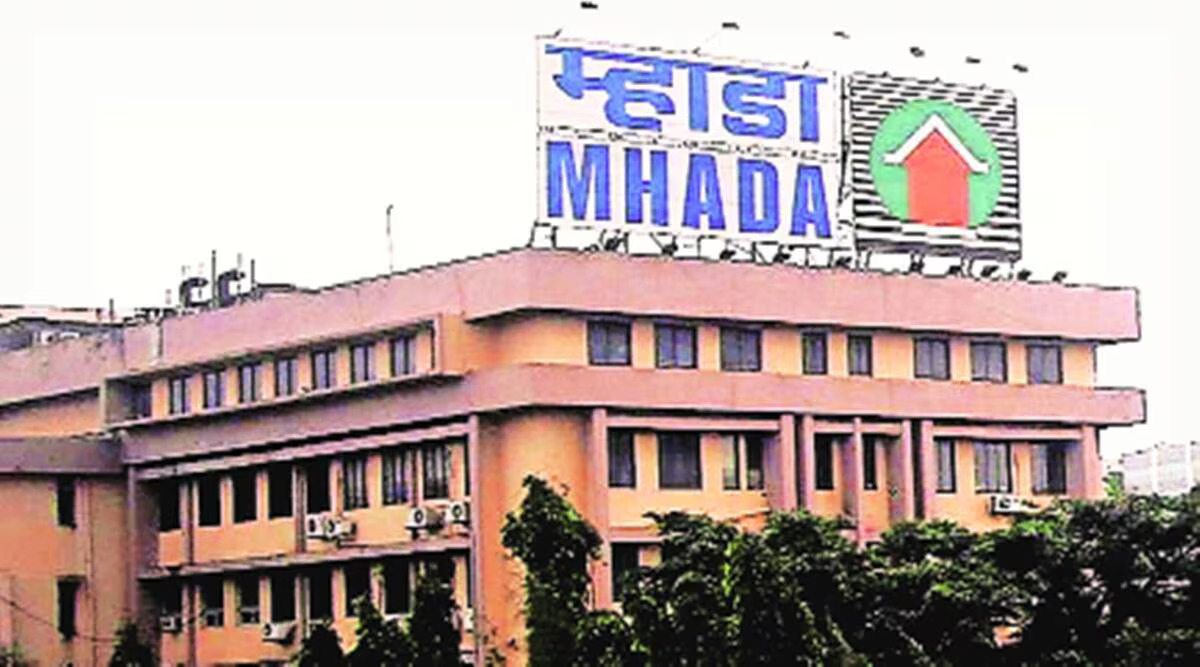
Maharashtra Housing and Area Development Authority has revised payment conditions for a fresh batch of unsold homes offered under its First-Come, First-Served programme in Mumbai. The change comes as the public housing agency prepares to reopen sales for flats that remained unallotted in earlier lottery cycles.
A total of 118 residential units across multiple locations in Mumbai will be made available under the FCFS route from mid-February 2026. These units span a wide price spectrum, from entry-level homes priced just over ₹30 lakh to high-value apartments nearing ₹8 crore, reflecting the diverse geographies and categories within MHADA’s housing stock. Under the revised framework, applicants will be required to deposit earnest money at the time of application. Crucially, once a flat is selected, the applicant must pay 10% of the total apartment cost within 48 hours to retain the allotment. Failure to meet this deadline will result in automatic cancellation, with the initial deposit forfeited. The deposit amounts vary by flat category, ranging from ₹1 lakh to ₹6 lakh.
Officials familiar with the decision say the tighter payment window is intended to address a recurring operational challenge. In previous FCFS rounds, a significant number of applicants secured provisional allotments but did not follow through with payments, effectively blocking inventory and delaying redistribution. The new rule is designed to ensure that only financially prepared buyers participate, improving transparency and administrative efficiency. Housing analysts note that while MHADA homes are primarily associated with affordable and mid-income segments, the authority also holds premium inventory in well-located urban zones. Unsold stock in such categories often reflects mismatches between pricing, buyer readiness and procedural timelines rather than lack of demand. Faster payment confirmation could help the agency respond more dynamically to market conditions.
From a broader urban policy perspective, the move signals a shift towards more disciplined asset management within public housing agencies. Unsold units represent locked capital that could otherwise be reinvested in redevelopment, rental housing or infrastructure upgrades. Streamlining disposal mechanisms aligns with the goal of maximising public value from scarce urban land. However, housing advocates caution that tighter payment timelines may disadvantage some genuine end-users who rely on loan approvals, particularly first-time buyers. They suggest that parallel reforms—such as pre-approved lending tie-ups or clearer communication on timelines—could help balance efficiency with inclusivity.
As Mumbai continues to grapple with housing affordability and uneven supply, the success of the revised FCFS framework will be closely watched. If it leads to faster absorption without excluding genuine buyers, it could become a template for future public housing sales across Maharashtra, strengthening the financial sustainability of urban housing programmes while keeping homes accessible to intended beneficiaries.
MHADA Enforces Faster Payments Under FCFS Scheme