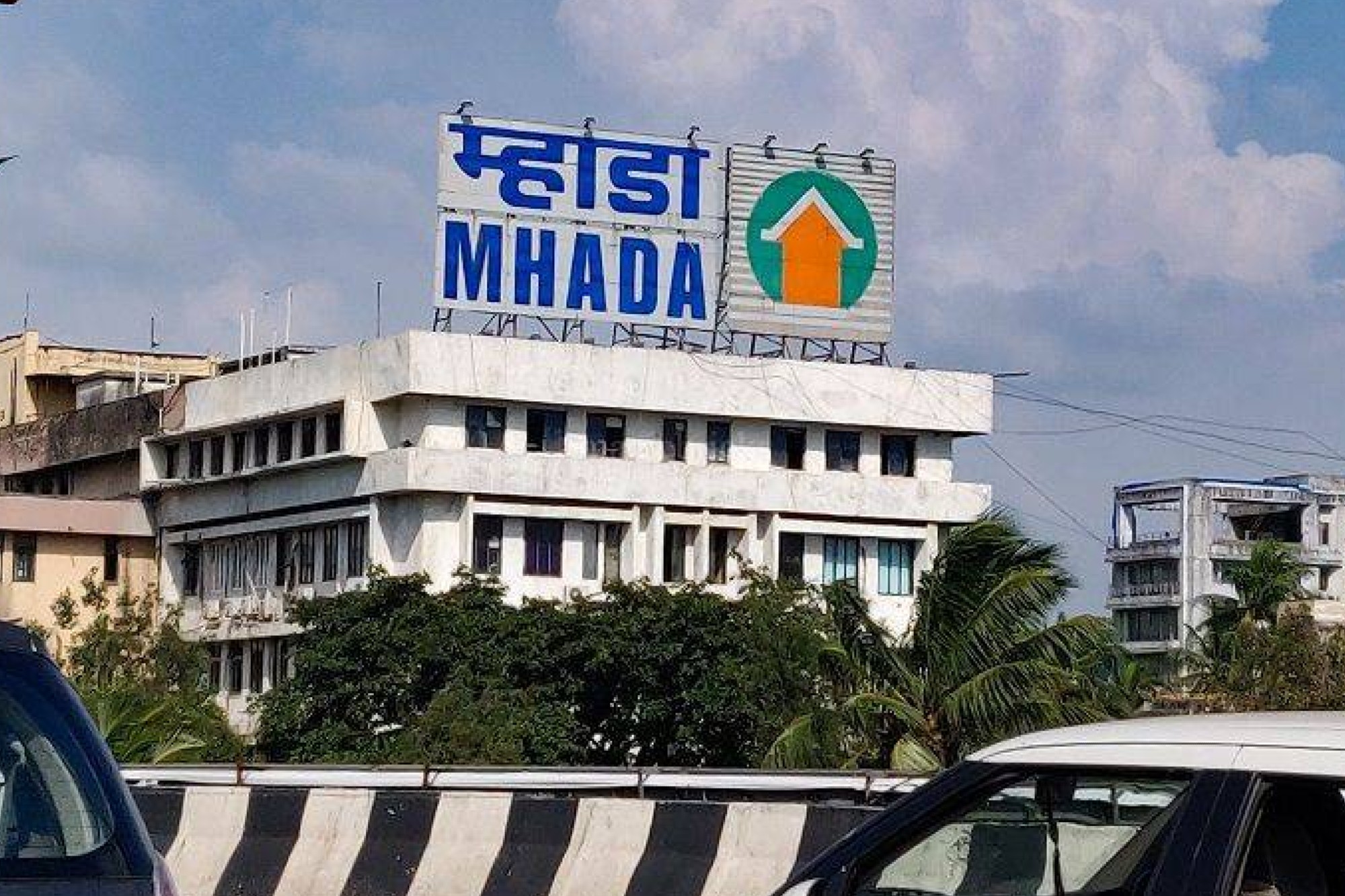
MHADA Drives Urban Renewal To Expand Affordable Housing
Redevelopment of ageing housing stock and activation of brownfield sites are emerging as pivotal drivers of property market growth in Maharashtra’s major urban centres, signalling a structural shift in how cities expand housing supply and rejuvenate infrastructure. Growth in redevelopment activity, particularly in Mumbai, Pune and Nashik, is reshaping the state’s real estate landscape and could influence affordability and long‑term urban form.
Officials from the Maharashtra Housing and Area Development Authority (MHADA) report that over the past two years, large‑scale transformation of existing urban properties — alongside reuse of previously developed land — has underpinned steady sector momentum. These projects are concentrated in older layouts that have remained largely unchanged for decades and are now being upgraded with modern designs and facilities to meet contemporary housing demand. Urban planners say the resurgence of redevelopment and brownfield work reflects deep shifts in buyer preferences as well as municipal priorities. In cities constrained by geography and scarce land availability, such projects can substantially increase housing density without expanding the urban footprint, making them strategically aligned with sustainable growth and climate resilience goals. Redevelopment also improves infrastructure such as drainage, access roads and utilities, which benefits entire neighbourhoods beyond individual housing units.
MHADA’s policy approach has involved collaboration with private developers to accelerate redevelopment while ensuring a portion of the new supply remains accessible to lower‑ and middle‑income families. These partnerships are critical in prime locations where redevelopment yields strong commercial interest but must balance market economics with public‑interest housing outcomes. Another prospective policy shift under consideration is a state‑wide rental housing framework designed to cultivate a more viable ecosystem for rental accommodation. Urban economists suggest that rental markets — often overlooked in Indian housing policy in favour of ownership — can significantly enhance flexibility and access, serving students, professionals, senior citizens and temporary urban workers alike. If enacted, the policy would signal a recognition of diverse housing needs within dynamic city economies.
Yet challenges remain. Long‑standing institutional and regulatory bottlenecks — from consent requirements in cooperative housing redevelopment to complexities in managing cessed and dilapidated buildings — can slow project delivery. Recent awareness initiatives by authorities to streamline redevelopment frameworks aim to mitigate such hurdles and promote safer, more resilient housing stock. For regional markets such as Pune and Nashik, redevelopment is also interlinked with broader infrastructure investments, including transit expansions and commercial growth corridors. Alignment of redevelopment projects with infrastructure nodes enhances value and livability, a trend increasingly evident in buyer behaviour and investment flows. Market analysts note that this coordination may help temper speculative volatility and support more inclusive urbanisation.
As Maharashtra’s cities evolve, the success of redevelopment and brownfield strategies will hinge on effective governance, equitable policy design and integration with wider urban systems. Prioritising community needs and climate‑adaptive infrastructure within redevelopment plans could strengthen resilience and reinforce equitable access to quality housing across metropolitan and intermediate cities alike.