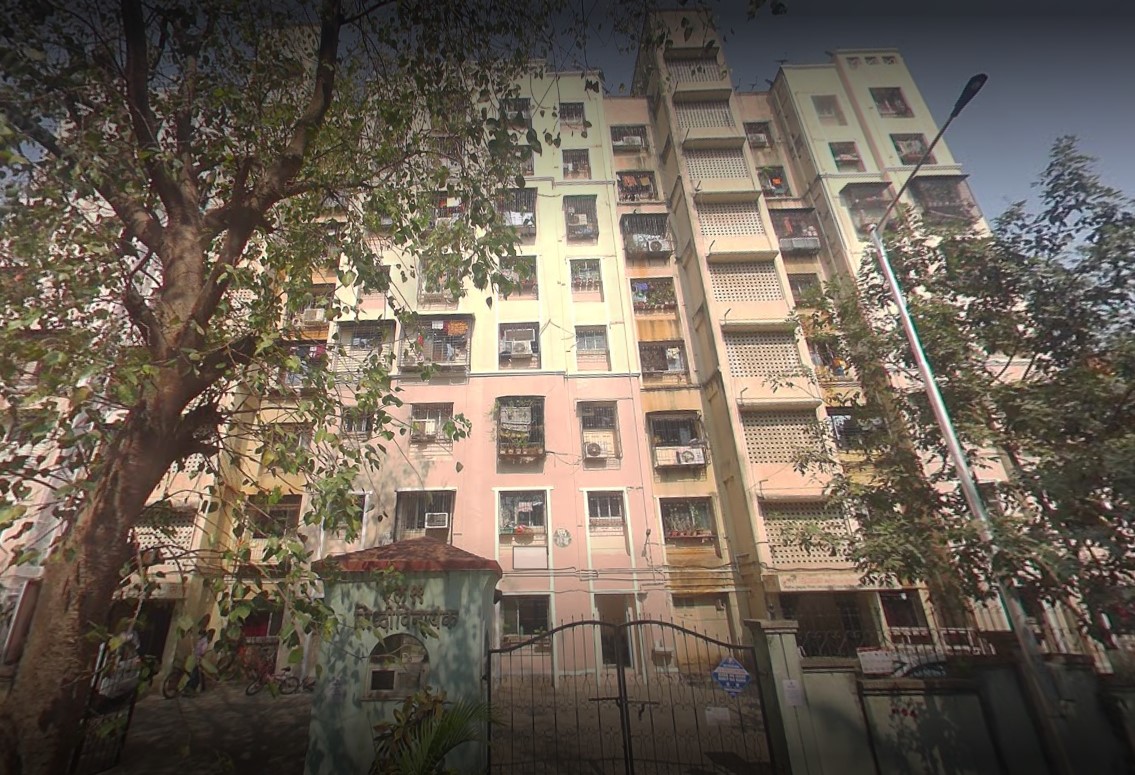
Mumbai’s state housing authority has taken a decisive step to address long-standing safety risks in Sion’s Pratiksha Nagar, clearing the way for the reconstruction of multiple structurally compromised transit buildings in the eastern suburbs. The move marks a shift in approach from market-led housing supply towards prioritising interim accommodation for displaced residents, reflecting growing institutional pressure to resolve ageing public housing stock across the city.
Officials familiar with the decision said the authority has dropped an earlier plan to monetise the land parcel through middle-income group housing and will instead use the site exclusively to rebuild transit accommodation. The revised strategy directly impacts residents of four dilapidated buildings that have remained in a state of uncertainty for years, raising concerns over habitability, fire safety and monsoon resilience. Under the updated plan, two high-rise residential structures will be developed with a stilt-level base and 22 upper floors, creating more than 300 transit units. These homes are intended to temporarily house families displaced during redevelopment projects elsewhere in the city, while also rehabilitating existing occupants of the unsafe buildings at the site. Housing officials confirmed that over 260 families and a small number of commercial occupants are eligible for rehabilitation within the project.
Urban planners view the decision as significant in a city where transit housing shortages routinely delay slum rehabilitation and redevelopment schemes. Mumbai’s redevelopment pipeline depends heavily on the availability of temporary accommodation, and gaps in this supply often stall private and public projects alike. By reallocating land for transit housing rather than sale inventory, the authority is attempting to unclog this bottleneck. Experts say the shift also reflects a broader recalibration in public housing policy, as agencies grapple with the consequences of ageing post-independence housing colonies. Many transit buildings constructed decades ago were never designed for long-term occupation, yet continue to house families for years due to project delays, leaving residents exposed to structural and environmental risks.
From a sustainability perspective, the redevelopment offers an opportunity to introduce energy-efficient construction, better waste management systems and improved ventilation — features largely absent in older transit housing. While detailed design specifications have not been disclosed, planners argue that newer buildings must align with Mumbai’s evolving climate resilience standards, particularly given the area’s vulnerability to heavy rainfall and flooding. Officials indicated that construction is expected to be completed within a two-year timeframe, subject to statutory approvals and site readiness. For residents, the announcement brings cautious optimism after years of stalled proposals. For the city, it underscores a growing recognition that safe, well-managed transit housing is not peripheral infrastructure, but central to equitable and timely urban renewal.
Mhada Clears Transit Housing Redevelopment In Sion Pratiksha Nagar