


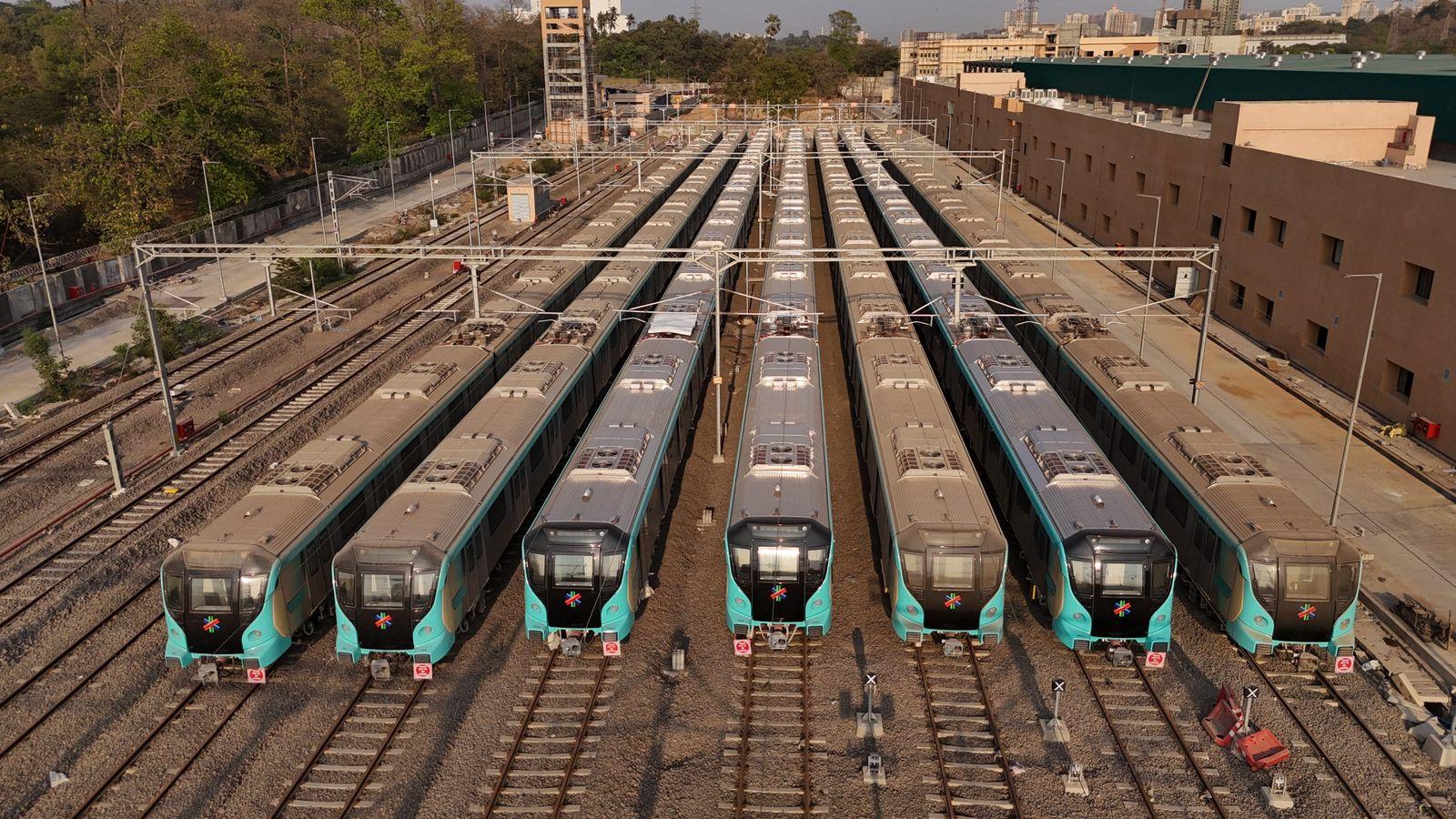
Construction has officially commenced on the underground section of the Indore Metro’s Yellow Line. This crucial phase, undertaken by the joint venture of Hindustan Construction Company Ltd. (HCC) and Tata Projects Ltd. (TPL), will establish an 8.626-kilometre underground corridor directly connecting the Devi Ahilya Bai Holkar Airport with the Indore Railway Station. This development marks a pivotal moment for the city’s connectivity and its journey towards becoming a more sustainable, efficient, and accessible urban centre for all its citizens.
The ambitious underground corridor will feature twin tunnels and include seven strategically located underground stations: Indore Railway Station, Rajwada, Chhota Ganpati, Bada Ganpati, Ramchandra Nagar, BSF/Kalani Nagar, and Indore Airport. These stations are designed to serve high-density areas, providing seamless and rapid transit options for thousands of daily commuters, including business travellers, tourists, and local residents. The project’s scope, awarded by the Madhya Pradesh Metro Rail Corporation Ltd. (MPMRCL) as Package IN-05R, is valued at ₹2,190.91 crore and represents the sole underground segment of the extensive 33.53-kilometre-long Indore Metro Phase 1.
The commencement of secant piling work at the Indore Airport Station signifies a critical milestone, indicating that construction is now actively underway across all six civil packages of the Indore Metro Yellow Line. The HCC–TPL JV is responsible for the comprehensive design and construction of civil works, encompassing both the tunnels and the stations. The financial arrangement sees HCC holding a 55% share (approximately ₹1,205 crore) and TPL the remaining 45% (approximately ₹986 crore), reflecting a collaborative approach to large-scale infrastructure development.
A key aspect of the underground construction will involve the deployment of at least four tunnel boring machines (TBMs) to construct 16 tunnel segments. While Terratec is anticipated to supply these specialised machines, the specific details regarding whether they will be new or refurbished units are yet to be confirmed. Based on current project timelines, tunnelling operations are expected to commence in the third quarter of 2026. This methodical approach to construction, leveraging advanced tunnelling technology, is essential for minimising disruption to the densely populated urban areas above ground and ensuring the structural integrity of the underground network.
Upon completion, the underground metro section will significantly enhance Indore’s public transport network, offering a rapid, reliable, and eco-friendly alternative to road transport. By reducing traffic congestion and associated carbon emissions, the metro contributes directly to the city’s goals of achieving a zero net carbon footprint and fostering a cleaner environment. Moreover, improved connectivity between the airport and the railway station will boost economic activity, facilitate tourism, and provide equitable access to essential services and employment opportunities across the city, making Indore a more inclusive and gender-neutral urban landscape. This project represents a vital step in modernising Indore’s infrastructure and improving the quality of life for its citizens.
Also Read :Pune To Upgrade Metro Stretch With Durable Roads And Better Facilities
