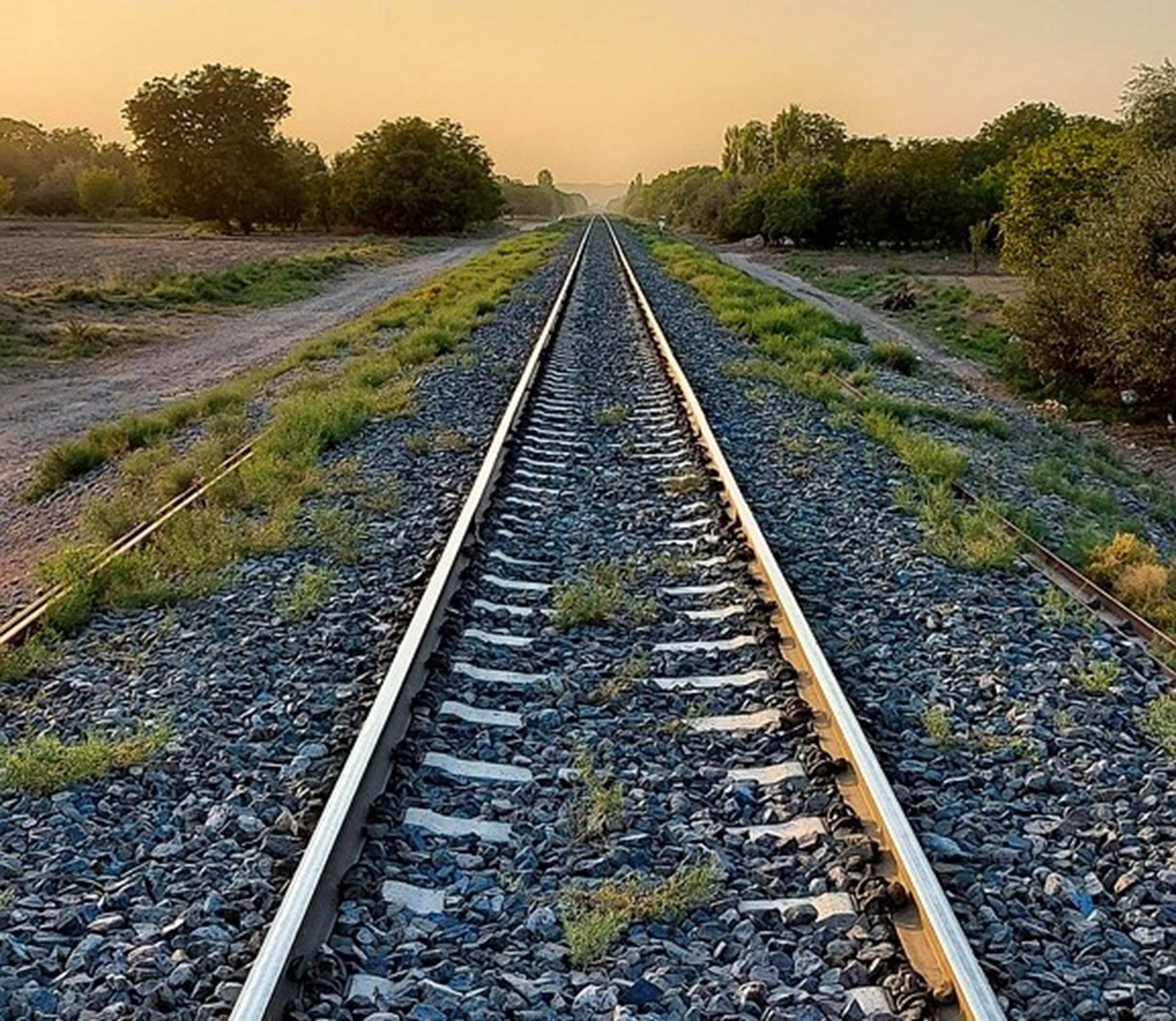
The Meghalaya government is set to return Rs 209.37 crore to the Centre, officially closing the chapter on the long-delayed Byrnihat-Shillong railway project. The funds, which were allocated to acquire land for the now-abandoned rail line, had been with the Ri-Bhoi district administration since 2017.
The move signals not just a reversal in infrastructure planning, but also a reflection of the deep-seated concerns held by civil society groups over demographic disruption and cultural preservation in one of India’s most ethnically sensitive states. This development has reignited discussions on regional connectivity and infrastructure equity in the Northeast. With neighbouring states like Mizoram, Sikkim, and Manipur rapidly pushing railway links to their capitals, Meghalaya’s decision places Shillong as the only state capital in India without a rail connection. The original Tetelia-Byrnihat line, part of a broader effort to boost regional trade and reduce logistical bottlenecks, has long been stalled. Though only 2.5 km of the proposed 20.5-km line was to enter Meghalaya, it quickly became a flashpoint due to intense resistance from pressure groups.
Organisations such as the Khasi Students’ Union (KSU) have remained vocally opposed to railway projects unless stringent anti-influx laws are enforced first. Their fears stem from the belief that new connectivity could spur unchecked migration, potentially altering the socio-cultural landscape of the Khasi-Jaintia Hills. The concerns are not unfounded in a state where tribal identity, land rights, and linguistic heritage are fiercely guarded. Over the years, these anxieties have culminated in repeated protests, halting construction and creating a political deadlock between the state government and advocacy groups.
The current administration, led by the National People’s Party (NPP), had constituted a high-level committee under the Chief Minister to study the socio-economic impact of railway expansion. While the government has publicly acknowledged the potential economic benefits of rail freight movement, especially for farmers and small businesses, it has equally stressed the importance of building consensus. Despite these attempts at dialogue, the lack of tangible progress on legislation to control influx has meant that the project never gained momentum on the ground.
What unfolds now is a broader question about the future of infrastructure development in states with complex demographic considerations. While sustainable mobility remains a national imperative under India’s climate goals, it must be balanced with local aspirations and rights. For Meghalaya, the return of funds not only symbolises the end of a railway dream but also underscores a missed opportunity to engage meaningfully with stakeholders. Unless future plans are anchored in inclusive dialogue and policy innovation that ensures cultural and demographic safeguards, the state may continue to lag behind in the larger march towards sustainable, equitable, and carbon-conscious mobility.
Meghalaya to return Rs 209 crore for scrapped railway land acquisition