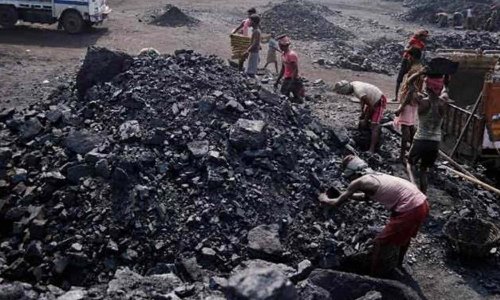
A devastating mining accident in Meghalaya’s East Jaintia Hills has brought the fraught issue of illegal coal extraction into sharp relief, prompting a major government crackdown that bridges safety, environmental and governance concerns in the region. The explosion, which occurred on 5 February at an unregulated coal mine in Thangkso, has claimed at least 33 lives and triggered a coordinated enforcement and inquiry campaign as authorities confront longstanding challenges in enforcing mining bans.
The tragedy unfolded amid ongoing illegal mining activities in an area where rat-hole coal mining has persisted despite a decades-old ban imposed by the National Green Tribunal (NGT) due to environmental degradation and safety hazards. In the days following the explosion, state authorities have seized more than 15,224 tonnes of illegally mined coal, dismantled heavy machinery, arrested multiple suspects and filed over 60 FIRs related to illegal extraction, transportation and use of explosives.The explosion exposed the human cost of entrenched unregulated extraction. Initial rescue operations recovered bodies and injured workers amidst unstable ground conditions and hazardous underground tunnels, highlighting the extreme risks faced by labourers in these informal mining networks. The state government halted search operations once it deemed further rescue efforts non-viable but has since launched relief measures for affected families and initiated both investigative and judicial inquiries.
In response to the blast and associated illegal mining operations, the Meghalaya administration has constituted a judicial inquiry commission led by a retired High Court judge to understand systemic lapses that allowed such activity to continue despite regulatory prohibitions. A Special Investigation Team (SIT) led by senior police officials is tasked with probing both the blast and the broader prevalence of illegal mining, with an emphasis on accountability and enforcement of central and state laws.Environmental advocacy groups and urban planners note that the incident underscores deep governance gaps in implementing long-standing rat-hole mining bans. These practices not only endanger lives but also degrade fragile ecosystems — from hill slopes to water catchments — undermining sustainable development frameworks for the region. The NGT has taken suo moto cognisance of the blast, issuing notices to state and central environment authorities to examine compliance and enforcement mechanisms.
The ongoing crackdown — including the use of drones and additional enforcement teams — reflects a dual imperative: dismantling illegal operations while reassuring citizens and investors that Meghalaya is stepping up governance in extractive sectors that intersect with urban demand for construction materials and broader economic activity.
As the state prepares to present its 2026–27 budget, illegal mining, regulatory oversight and reforms are expected to be central issues in legislative discussions. For policymakers and urban stakeholders alike, the tragedy highlights the need for robust monitoring, stronger regulatory frameworks and livelihood alternatives in regions traditionally dependent on extractive informal economies.
Also Read:
Meghalaya Seizes 15000 Tonnes Of Illicit Coal