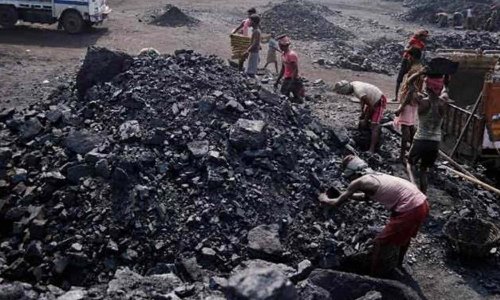
Meghalaya is signaling a major governance shift by moving toward regulated coal extraction after years of unregulated mining practices that have compromised both environmental integrity and community safety. The state’s governor noted progress in formalising scientific mining systems as authorities seek a balance between economic livelihoods and ecological protection — a transition with wide civic and infrastructural implications for one of India’s mineral-rich but environmentally sensitive regions.
For decades, Meghalaya’s coal sector has operated under a patchwork of informal and often hazardous practices, most notoriously “rat-hole” mining. These small-scale, unregulated pits have long driven local employment yet posed severe environmental degradation and safety risks. The National Green Tribunal (NGT) banned rat-hole mining over a decade ago, citing widespread ecological harm, but enforcement challenges persisted amid continued extraction and transport of coal beyond state boundaries.Recent events have underscored the urgency of reform. A tragic explosion at an unauthorised coal mine in the East Jaintia Hills district claimed more than 30 lives earlier this month, prompting intensified enforcement action and a reevaluation of mining governance. In the aftermath, authorities have undertaken extensive raids, filed dozens of FIRs, and seized thousands of tonnes of coal that had been extracted unlawfully.
Local administration has also moved to strengthen legal sanctions. Police investigations have resulted in 62 FIRs related to illegal mining, the arrest of multiple individuals, and seizure of equipment including explosives suspected of being used in unregulated extraction operations. These actions reflect a rare alignment of administrative resolve with judicial scrutiny to curb longstanding lawlessness in the sector.The push for regulated coal extraction carries tangible implications for urban and rural communities alike. On the economic front, many families in coal-rich districts depend on mining for income, and abrupt suppression of unregulated operations without a viable alternative has intensified livelihood pressures. At the same time, unplanned mining has contributed to land instability, water contamination and localised hazards that undermine broader development goals.
Regulated extraction — if implemented with clear environmental safeguards, technical planning and community engagement — could help formalise revenue streams while reducing ecological damage. Urban planners and environmental advocates stress that a science-based mining regime must go hand-in-hand with strict monitoring, transparent licensing and social protections for displaced workers. Such an approach would align with India’s larger urban sustainability agenda, where resource management intersects with climate resilience and inclusive growth.However, structural challenges remain entrenched. Decades of informal mining have entrenched supply chains and local economic networks that resist rapid reform. Ensuring regulatory compliance will require not just legal directives but strengthened institutional capacities at district and state levels, backed by technological monitoring and community consultation.
As Meghalaya navigates this complex transition, the effectiveness of regulated coal extraction will hinge on government commitment to environmental stewardship and economic inclusivity — a test case for how resource-dependent regions can reconcile livelihoods with sustainability.