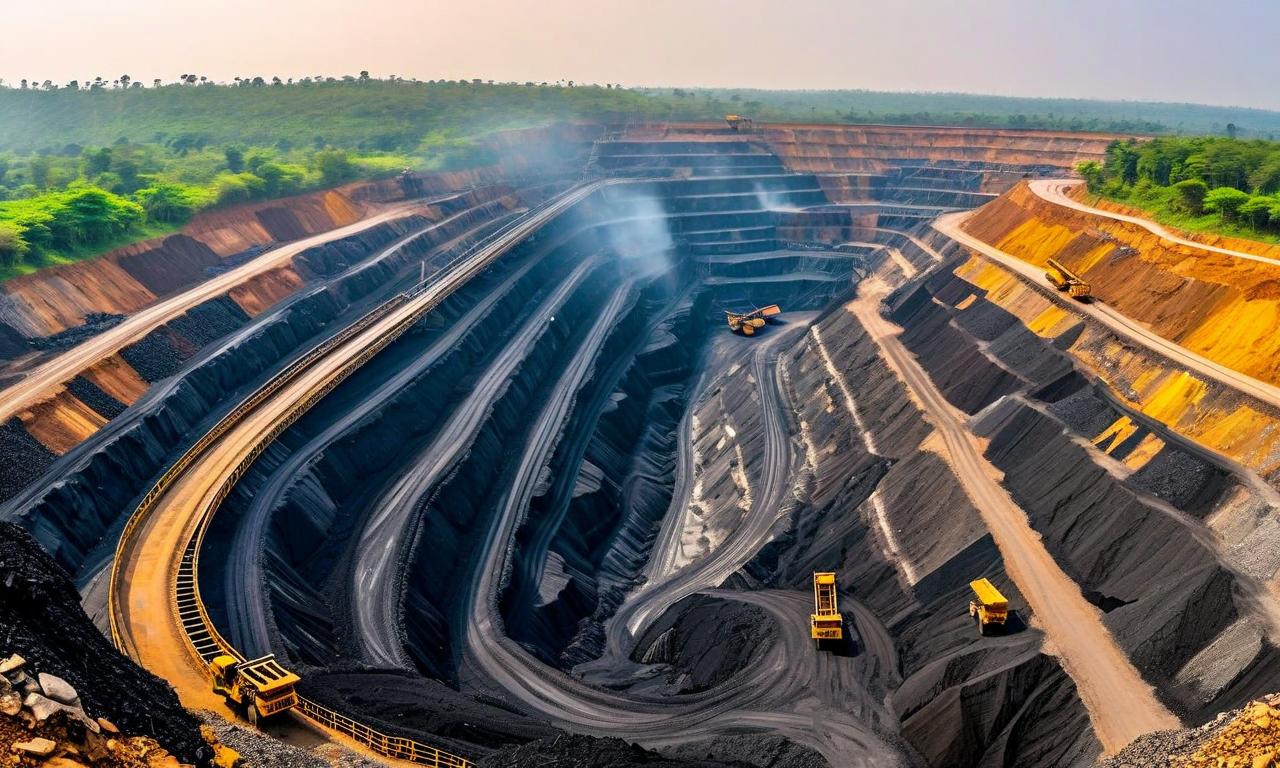
Odisha Coal Mining Economy Drives India Resource Growth
The Meghalaya government has formally instituted a judicial inquiry into a catastrophic explosion at an illegal coal mine in East Jaintia Hills, where at least 27 workers have died and multiple others were injured, underscoring long-standing risks linked to unregulated mining in the region. The commission, constituted under the Indian Commission of Inquiry Act, is tasked with establishing how the blast unfolded, assessing regulatory failures, and recommending systemic reforms to prevent future loss of life.
The blast occurred on 5 February in the remote Thangsku area of Mynsngat village, drawing a large-scale rescue effort involving the State Disaster Response Force, National Disaster Response Force, police and local volunteers. Challenging terrain and unstable underground conditions complicated recovery operations, but authorities have since retrieved bodies and continue to support injured workers.Illegal “rat-hole” coal mining, a deeply entrenched practice across Meghalaya’s Jaintia Hills despite a ban by the National Green Tribunal in 2014, is at the centre of the inquiry. These narrow, unregulated shafts are notorious for collapsing, trapping workers and allowing pockets of methane gas to accumulate, turning routine blasting into deadly explosions. Analysts say the persistence of this method highlights critical gaps in enforcement and safety oversight.
Beyond the immediate human toll, the incident raises significant questions about urban and regional development trajectories in coal-dependent hinterlands. Meghalaya’s economy has historically been linked to extractive activities, but the environmental degradation caused by illegal mining — including soil erosion, water contamination and deforestation — undermines climate resilience and jeopardises the sustainability of surrounding communities. Urban planners and environmental economists point out that failing to curb such practices could strain public resources and limit broader transitions to low-carbon livelihoods.A senior official from the state home department has indicated that the judicial panel will not only determine causality and culpability but will also be expected to offer clear recommendations to strengthen enforcement of existing bans and improve worker protections. With similar tragedies previously reported in the same district, the inquiry represents an effort to move from ad hoc responses to a more comprehensive regulatory approach.
Social advocates argue that stringent monitoring, community engagement and alternative employment pathways are essential to break the cycle of illegal mining. Urban infrastructure development experts stress that integrating climate risk assessments and inclusive economic opportunities into regional planning frameworks can help prevent such tragedies while fostering safer, climate-smart growth.
As the judicial commission begins its work, stakeholders from labour rights groups to environmental bodies will watch closely for outcomes that balance accountability with long-term transformation. The inquiry’s findings could have implications far beyond East Jaintia Hills, influencing policy on informal labour, resource governance and sustainable development across India’s extractive frontiers.