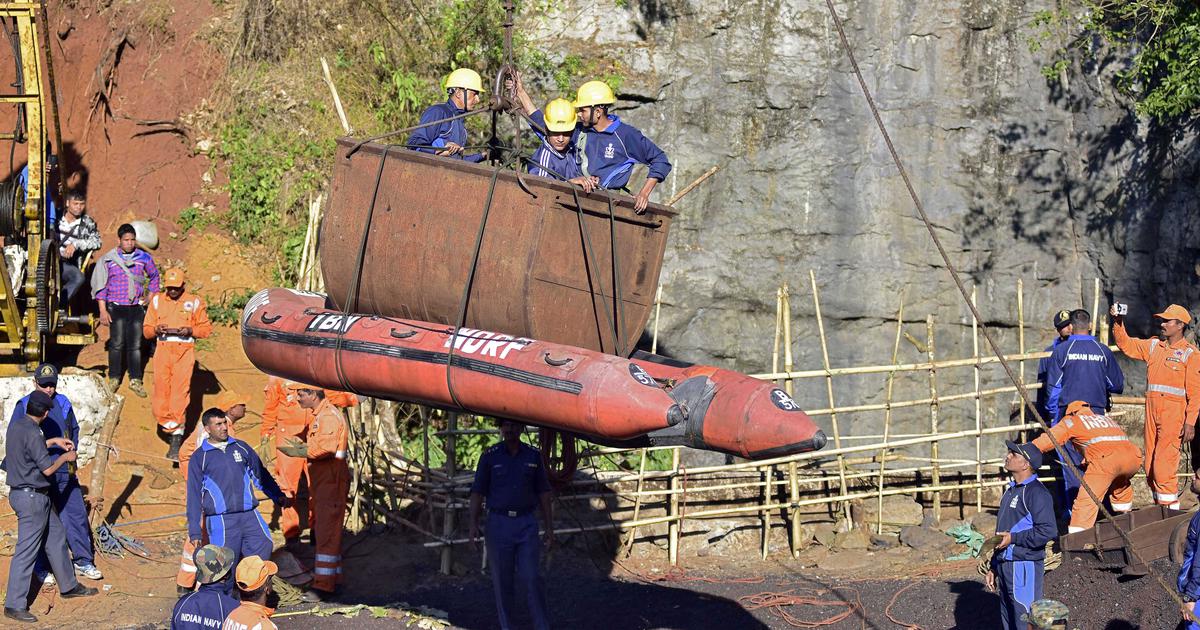
An explosion in a suspected illegal coal mine in Meghalaya’s East Jaintia Hills district has killed multiple labourers and left others unaccounted for, underscoring long-standing safety and environmental risks tied to unregulated mining in the region. Emergency crews continue rescue and recovery operations amid muddy, unstable conditions at the site in the Thangsko area, while authorities scramble to piece together both the human toll and the regulatory failures that might have contributed to the tragedy.
Local police and disaster response teams were dispatched early on Thursday, after a suspected explosion tore through the narrow tunnels of an unauthorised coal pit, potentially involving the use of dynamite or other explosives. At least seven bodies have been recovered, and officials warn that the final count may be significantly higher as efforts to reach trapped workers continue. One survivor with serious injuries has been transferred to a hospital in Shillong for further treatment.This tragedy brings into sharp focus the longstanding issue of “rat-hole” mining — a form of coal extraction involving horizontal, low-ceiling tunnels that can quickly become death traps when they collapse or fill with water. Despite a 2014 ban by India’s National Green Tribunal (NGT) on such practices in Meghalaya due to environmental degradation and worker safety concerns, enforcement has been patchy. Rights groups and local officials have repeatedly raised alarms about the persistence of illicit operations, particularly in remote, forested areas where oversight is limited.
Analysts point out that these illegal pits are often located near rivers or beneath fragile hillsides. In this incident, early accounts suggest that water ingress and unstable ground may have played a role in the collapse following the blast, complicating access for rescue teams. High groundwater levels and lack of engineering controls mean that traditional mining safety equipment and protocols — such as reinforced supports, gas monitoring, and emergency exits — are absent, placing labourers at acute risk.Economic pressures and a lack of alternative employment continue to draw workers — including many from neighbouring states — into these precarious jobs. Mining in the Jaintia Hills contributes to local livelihoods, but the unauthorised nature of much of this activity means workers are frequently undocumented, uninsured, and excluded from formal labour protections. Urban planners and labour rights advocates stress that this pattern not only endangers individuals but also destabilises local economies when disasters strike.
Environmental advocates argue that the long-term costs of such mining extend beyond immediate human harm. Rat-hole extraction disrupts ecosystems, erodes hillsides, and increases flood risk in surrounding communities — outcomes at odds with the state’s broader climate resilience goals. The law has been clear for more than a decade, yet regulatory mechanisms remain under-resourced and inconsistent in enforcement.
As rescue operations proceed, government agencies have signalled intent to investigate both the cause of the explosion and the chain of custody for the mine’s operations. Urban development experts say this event should catalyse tougher monitoring frameworks, community-centred job programmes, and incentives for sustainable land use that prioritise worker welfare and environmental integrity.