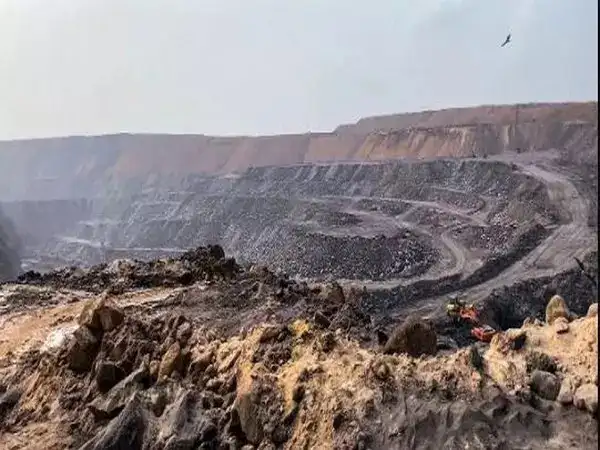
Odisha Jamkhani Coal Mine Sets New Safety Benchmark
The Meghalaya government has formally constituted a Special Investigation Team (SIT) to probe the deadly coal mine explosion that claimed dozens of lives in East Jaintia Hills, spotlighting entrenched challenges in regulating informal mining and safeguarding worker welfare in hilly regions. The move underscores mounting concerns over illegal extraction practices and the governance dynamics that allow unregulated mines to persist despite longstanding prohibitions.
The blast occurred on 5 February at a coal mine in the Thangsku area of Mynsngat village, with initial reports placing the death toll above 30 and additional casualties reported in hospitals across the region. Emergency responses coordinated by state and national agencies, including the State Disaster Management Authority, initially focused on search and rescue before concluding operations when chances of finding survivors faded.Meghalaya’s Director General of Police has appointed a nine-member SIT tasked with unravelling the circumstances leading to the explosion, determining root causes and identifying violations of both court orders and National Green Tribunal (NGT) directives pertaining to illegal mining activities. Led by the Deputy Inspector General of Police (Eastern Range), the team is mandated to complete its inquiry in a fair, impartial and time-bound manner and bring recommendations to ensure accountability under law.
The incident has revived debate over the enforcement of the 2014 NGT ban on rat-hole mining and transportation of coal in the state — a practice criticised for its severe environmental impact, lack of safety measures, and inherent risk to labourers operating in narrow, unregulated conditions. Despite judicial restrictions, periodic resurfacing of illegal mining operations has repeatedly tested enforcement mechanisms at both administrative and community levels.A senior official overseeing disaster response noted that while illegal coal extraction persists in remote areas due to economic incentives, the costs — measured in lives lost and environmental degradation — remain high. Illegal operations often lack ventilation, structural safeguards and independent oversight, making them particularly susceptible to catastrophic accidents.The SIT’s establishment arrives amid intensifying scrutiny from other statutory bodies. The National Human Rights Commission (NHRC) has also issued notices to state authorities seeking detailed reports on the incident’s circumstances, rescue efforts, compensation measures and steps to prevent similar tragedies, reflecting wider concerns over labour rights and regulatory compliance.
Local communities and rights organisations have urged authorities to couple investigative action with proactive enforcement and sustainable livelihood alternatives for those dependent on informal mining. Urban and regional planners emphasise that safety in extractive sectors is closely linked to broader socio-economic frameworks — including poverty alleviation, formal employment pathways and community-centric development planning — that can deter engagement in hazardous, illegal enterprises.Environmental analysts add that strengthening environmental monitoring, investing in safe and legal mining technologies, and enhancing local governance capacities are critical to preventing recurrence. The coal mine tragedy also raises questions about the adequacy of peri-urban disaster preparedness and cross-jurisdictional coordination given that injured victims were transferred to hospitals in neighbouring states.
As the SIT begins its inquiry, attention is on how findings will shape policy enforcement, improve safety protocols and address systemic gaps that have long shadowed informal mining regions like East Jaintia Hills. With judicial inquiries also expected to inform accountability measures, the outcomes could influence how regulatory, environmental and labour frameworks are implemented in extractive sectors across Meghalaya and beyond.