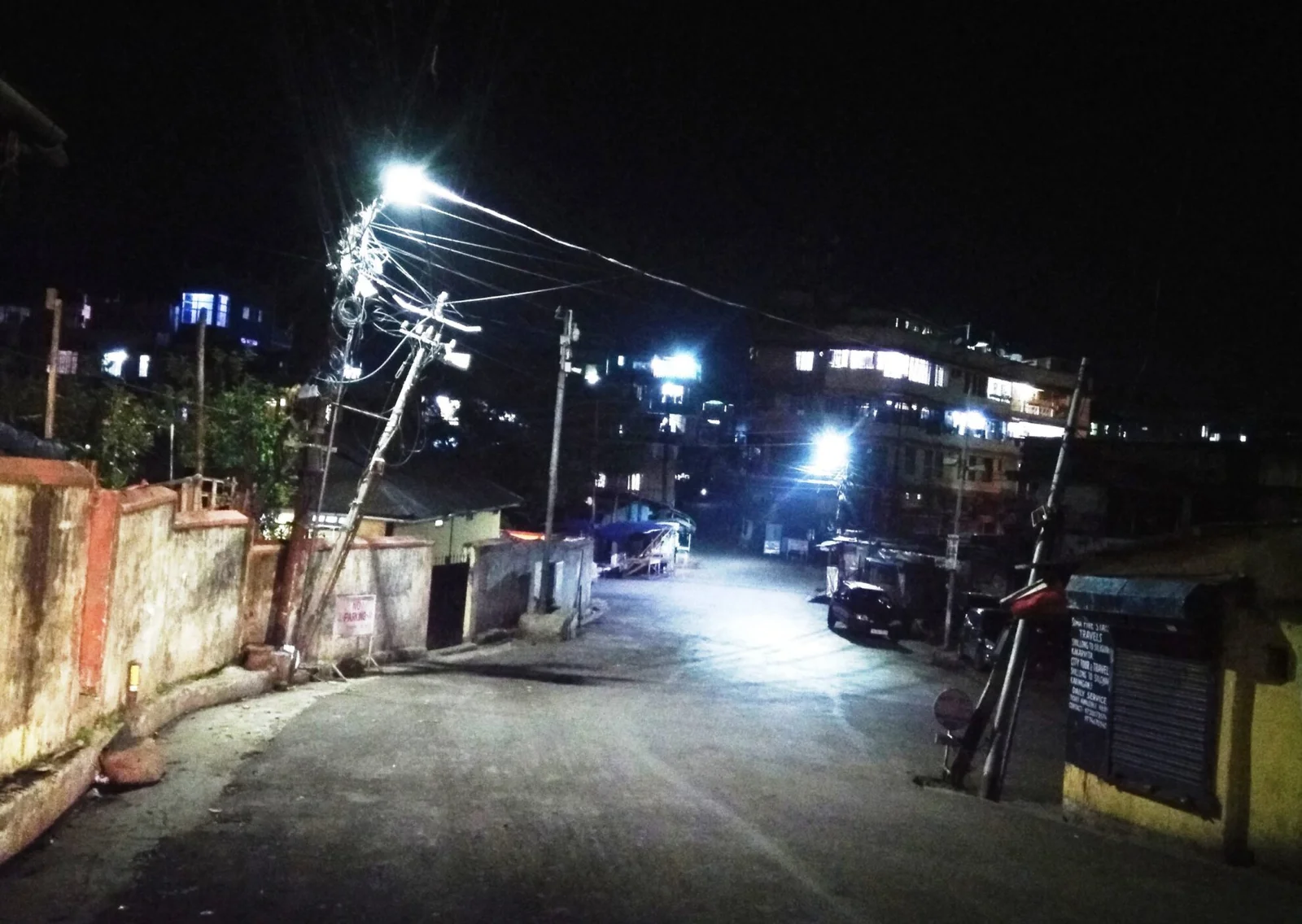
Meghalaya enforces night curfew on Bangladesh border
The East Khasi Hills district administration in Meghalaya has imposed a night curfew along the India-Bangladesh border, effective May 8, citing rising tensions and security concerns in the region.
The restriction will apply for two months, under Section 163 of the Bharatiya Nagarik Suraksha Sanhita (BNSS), and will be enforced daily between 8:00 pm and 6:00 am within one kilometre of the Zero Line. According to an order issued by District Magistrate RM Kurbah, the curfew is aimed at curbing illegal border crossings and smuggling of goods including cattle, contraband, betel nuts, dry fish, bidis, and tea leaves. The directive also prohibits the movement of individuals intending to cross the international boundary unlawfully, along with any unlawful assembly or carrying of potential weapons. Authorities have justified the curfew as a necessary precaution amid ongoing instability in the region, following heightened cross-border tension after India launched ‘Operation Sindoor’ in response to the April 22 terror attack in Pahalgam, Jammu and Kashmir. The operation targeted nine terror camps across Pakistan and Pakistan-occupied Kashmir, with the Indian Armed Forces confirming successful strikes on all intended locations.
Indian officials stated that the strikes were carefully planned to avoid civilian casualties and infrastructure damage. Key sites targeted included training camps in Muridke, Sialkot, and Kotli, locations tied to historic terror activities, including the 2008 Mumbai attacks. Bangladesh has expressed concern over the military developments between India and Pakistan, urging both sides to exercise restraint. In a statement issued on May 8, the Bangladesh Foreign Ministry called for “diplomatic endeavours” to de-escalate the situation, emphasising the need for peace and regional stability. Meanwhile, Indian officials continue to frame the Pahalgam attack as an effort to derail normalcy in Jammu and Kashmir. Foreign Secretary Vikram Misri highlighted the brutality of the assault, claiming it was designed to instil fear and disrupt civilian life.
The border curfew in Meghalaya reflects a broader security recalibration in India’s northeastern region, as authorities work to contain potential fallout from ongoing regional conflict and ensure secure boundaries amid a volatile geopolitical climate.