Meghalaya East Jaintia Hills Coal Pit Closure Drive
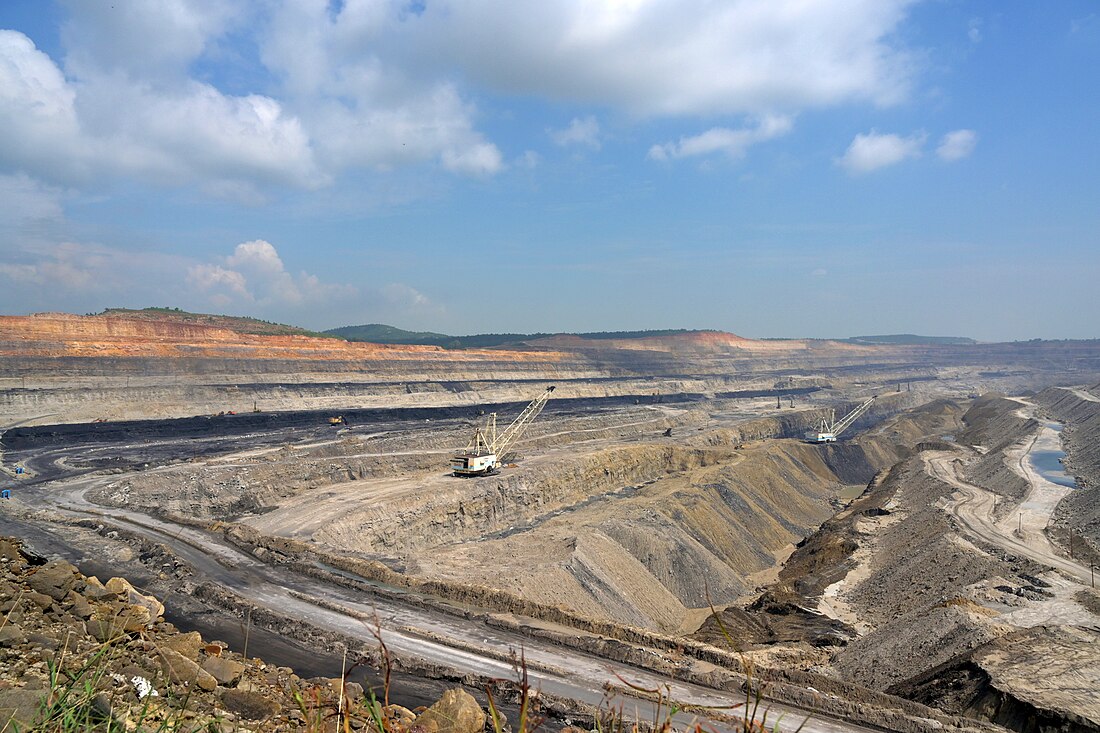
A high court‑mandated committee has flagged the urgent need to plug and rehabilitate over 22 000 abandoned coal pits in East Jaintia Hills, warning that the hundreds of square kilometres of open voids pose escalating environmental, safety and long‑term land‑use risks for local communities and ecosystems. The advisory, issued this week by Justice B.P. Katakey Committee, underscores the complex challenge of balancing remediation costs, modern monitoring and community engagement in a region long affected by unregulated coal extraction.
The committee — appointed by the Meghalaya High Court to monitor coal transportation and mining activities — highlighted that many pits are inactive but remain unsealed, creating hazards such as land subsidence, water contamination and deforestation. Conventional closure techniques, it noted, would be prohibitively expensive at scale, prompting a call for cost‑effective, technologically supported alternatives including drone mapping, coordinated multi‑agency action, and involvement of local stakeholders in sealing efforts. Authorities have already initiated a pilot mine closure project for about 50 sites under direction from a technical arm of India’s mining sector, but the sheer scale of openings in East Jaintia Hills — a district with deep coal‑mining roots — has prompted the committee to urge broader, locally adapted strategies that marry scientific rigour with community input.
Environmental planners caution that abandoned pits can accelerate surface water loss and disrupt seasonal streams — impacts exacerbated by unscientific mining practices historically prevalent in the region. Research by independent agencies has shown widespread alteration of land cover, soil destabilisation and pollution from overburden piles where extraction was previously unchecked. The legacy of un‑remediated mining activity in Meghalaya traces back to the now‑banned rat‑hole mining, which was prohibited by national tribunals and courts more than a decade ago because of its dangerous and environmentally destructive profile. Since then, efforts to transition to regulated, scientific coal extraction have been piecemeal, adding to the backlog of inactive pits.
In parallel, rising temperatures and shifting rainfall patterns linked to climate change heighten vulnerability in the region’s fragile hills, making ecosystem restoration and secure land rehabilitation crucial complements to closure operations. Failure to address open coal pits could result in ongoing hazards such as flash floods, land degradation, and compromised water security for rural communities. Committee members have also called for advanced drone surveillance and data collection to enhance enforcement against ongoing illegal extraction, which persists in some areas despite prohibition orders. This reflects a broader shift towards integrating digital monitoring tools into resource governance frameworks where traditional oversight has been limited.
For local governments and environmental planners, the path ahead calls for integrated remediation plans that combine modern technology, sustainable land reuse strategies and climate‑resilient design principles. Aligning these with socio‑economic development goals for mining‑affected communities will be key to transforming a legacy liability into a foundation for safer, greener regional planning.