Meerut Transit Expansion Cuts NCR Travel Times Significantly
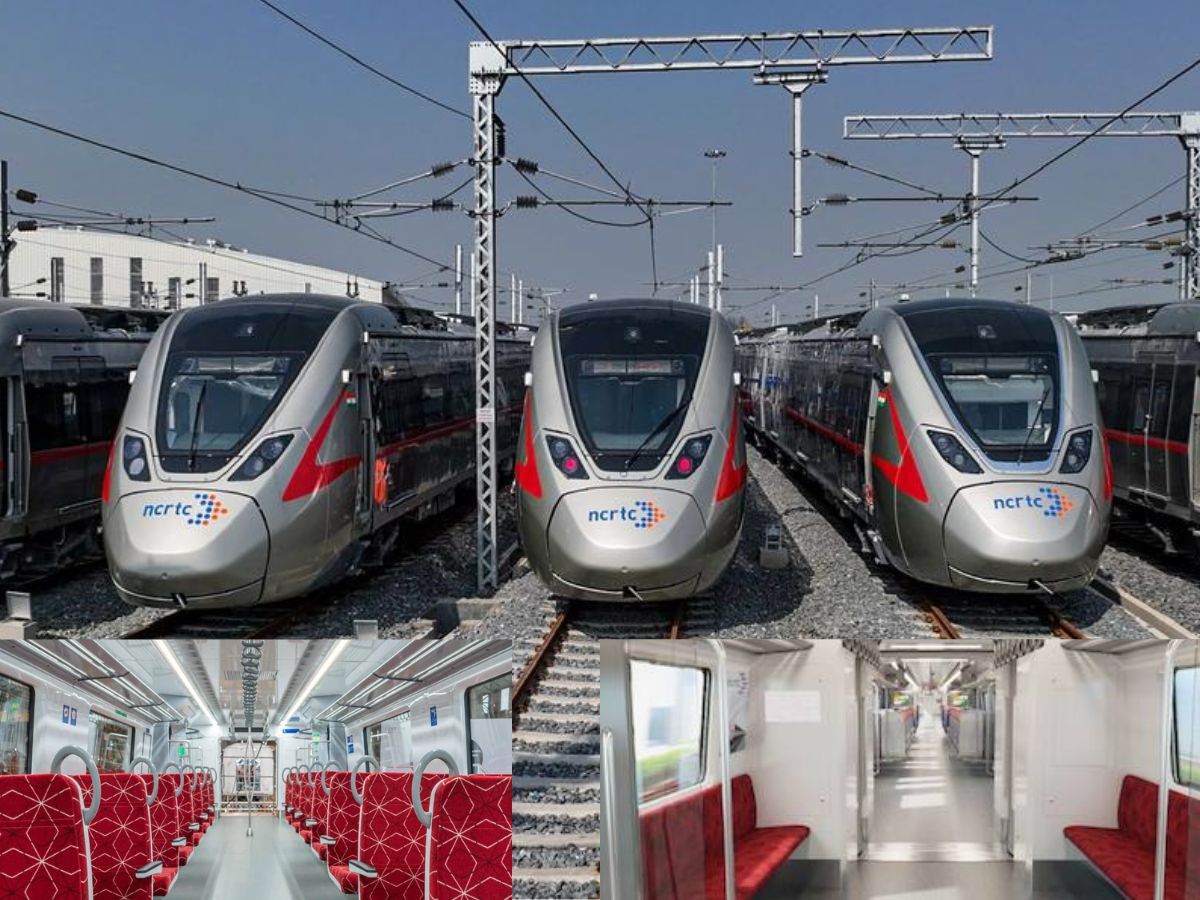
Meerut — Prime Minister Narendra Modi today inaugurated two major transport infrastructure landmarks — the full 82-kilometre Delhi-Meerut Namo Bharat Regional Rapid Transit System (RRTS) and the Meerut Metro — signalling a significant leap in integrated mobility for western Uttar Pradesh and the broader National Capital Region (NCR).
Officials described the combined project, backed by nearly ₹12,930 crore in development works, as a transformative step toward high-capacity, sustainable transit that reconfigures how commuters access jobs, education and services across critical urban belts. The Namo Bharat corridor and Meerut Metro, both flagged off at the Modi Bharat (Shatabdi Nagar) station in Meerut, mark a departure from conventional rail networks. With regional rapid rail capable of speeds up to approximately 180 km/h, the project compresses travel time between Delhi and Meerut to under an hour, a dramatic improvement over previous road-based journeys that could take three to three-and-a-half hours. The metro segment, operating on shared infrastructure, connects key intra-city nodes and reflects a coordinated approach to urban-regional mobility. Urban development experts note that these enhancements go beyond travel times. By knitting together high-capacity transport modes — regional rapid transit and urban metro — the infrastructure redefines spatial relationships between smaller cities and metropolitan cores. This aligns with planning principles that prioritise transit-oriented development (TOD), encouraging compact, mixed-use growth around station areas rather than unsustainable sprawl.
Improved connectivity often attracts investment into housing, retail and services near transit nodes, potentially easing pressure on urban centres while supporting equitable economic opportunity. Officials emphasised that the project’s design incorporates modern systems such as integrated ticketing, multimodal interchange facilities and seamless connections with existing metro and railway networks. Sarai Kale Khan — a major node in New Delhi — now functions as a multimodal hub, linking the RRTS corridor with the national rail network, metro lines and intercity bus terminals. Such integration supports commuters across income groups, enabling access without over-dependence on private vehicles — an important agenda for climate-aligned urban transport systems. The operationalisation of Namo Bharat and Meerut Metro also enhances regional labour mobility.
Shorter and more reliable connections help distribute workforce flows more evenly across the NCR, reducing commuting burdens and broadening employment catchments for both urban and peri-urban residents. Economists say this can catalyse decentralised growth while reinforcing economic resilience in fast-growing secondary cities. Climate and environmental planners highlight another dimension: shifting commuter trips from cars and intercity buses to electrified rail reduces carbon emissions and urban congestion. High-capacity public transport is a core pillar of sustainable city planning, directly supporting low-carbon mobility pathways in densely populated regions. Uttar Pradesh’s chief minister, speaking at the event, described the projects as part of a broader vision for a modern, inclusive, and future-ready urban infrastructure ecosystem, linking deep tech, industrial corridors, and public services into a cohesive growth framework. The emphasis on mobility lies at the heart of this strategy, enabling wider urban development, improved land use patterns, and better access to opportunities for communities across the state.
As Meerut and NCR begin full operations of these services, the focus now shifts to maximising benefits through last-mile connectivity enhancements, affordable ticketing strategies and continued integration with local transport networks. If accompanied by robust planning and community-centric governance, these infrastructure milestones could serve as a model for sustainable, inclusive urban mobility across India.