


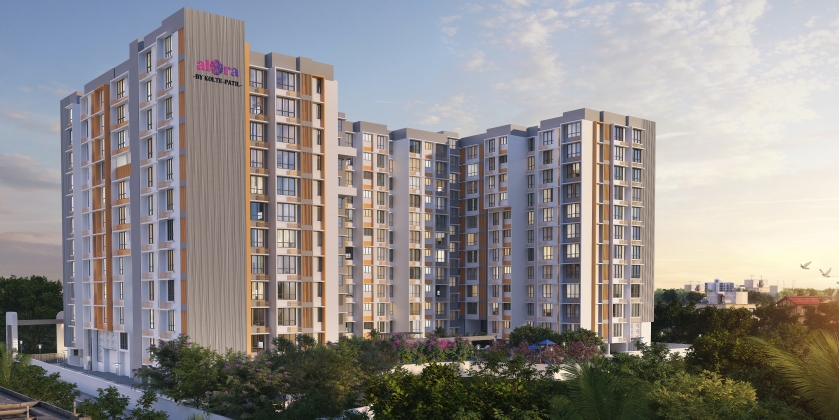
Pune’s fast-expanding residential landscape has drawn fresh international capital, underscoring the city’s growing role in India’s urban housing transition. A Japanese conglomerate has entered a large-scale residential project in the city, reinforcing confidence in Pune’s long-term housing demand and the viability of integrated township models in high-growth urban regions.
The investment marks the fifth residential foray by the global trading and investment group into India’s property market. Structured through a debt instrument rather than direct equity participation, the move reflects a cautious yet committed approach to India’s evolving real estate ecosystem, where regulatory oversight and financial discipline have become increasingly central. Urban economists note that Pune’s demographic and economic profile continues to make it attractive for long-term housing investments. Once primarily associated with manufacturing and automotive clusters, the city has undergone a structural shift over the past decade. State-led incentives and improved digital infrastructure have accelerated the entry of global technology firms, transforming employment patterns and intensifying demand for mid-income housing close to workplaces. The residential development is located near one of India’s largest technology corridors, an area that has witnessed sustained population inflows and steady absorption of new housing supply. Industry experts say proximity to employment hubs remains a decisive factor shaping residential demand, particularly among first-time homeowners and young professional households. Planned as part of a larger township, the project integrates housing with social and commercial infrastructure, including educational facilities, everyday retail and green open spaces.
Urban planners increasingly view such mixed-use developments as essential to reducing commute times, easing transport emissions and improving overall liveability in rapidly expanding cities. By clustering daily needs within walkable neighbourhoods, township-led growth can help cities move towards more climate-resilient urban forms. The choice of financial structuring also signals a broader shift in how foreign investors engage with Indian real estate. Rather than speculative exposure, global institutions are favouring measured participation aligned with project cash flows and end-user demand. This trend, analysts say, strengthens market stability while ensuring accountability in delivery timelines. India’s mid-income housing segment remains a focal point for overseas investors, driven by urbanisation, rising household incomes and a widening base of salaried professionals. Pune and Mumbai, in particular, have emerged as test beds for scalable housing models that balance affordability with quality and long-term asset performance. Looking ahead, market participants expect similar investments to extend into other technology-driven cities such as Hyderabad and Bengaluru, where employment growth continues to reshape residential demand.
For Pune, the latest international investment reinforces its standing as a mature yet dynamic housing market one where global capital, local developers and urban policy priorities increasingly intersect. As cities grapple with housing shortages, infrastructure pressure and climate risks, the emphasis will be on whether such investments translate into inclusive, well-planned neighbourhoods that serve residents beyond mere real estate metrics.
Also Read: Anand Retail Expansion Signals Tier Two Fashion Shift
Marubeni Expands India Housing Bet In Pune
