


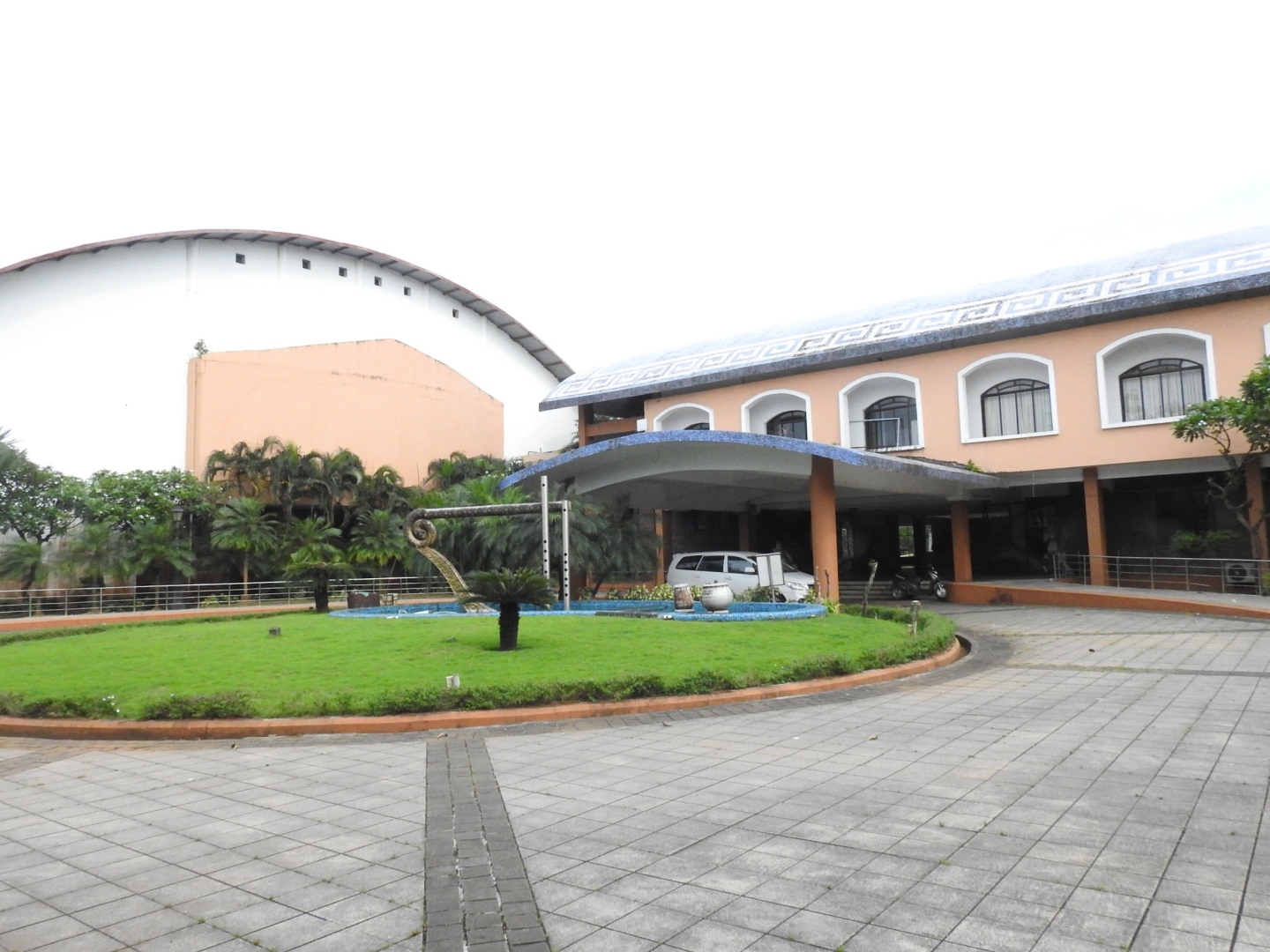
A wave of discontent is rising in Margao as a prominent cultural preservation group decried the prolonged closure and unclear restoration timeline of the main auditorium at Ravindra Bhavan. The symbolic gesture of presenting a supari—a traditional call for accountability—marked the group’s emotional plea for action, underscoring the venue’s importance to South Goa’s vibrant artistic community. With no visible progress or clear updates, performers and event organisers say they’re being pushed to the margins.
The stalled renovation work at Ravindra Bhavan’s central auditorium has stirred outrage among South Goa’s artists, many of whom rely heavily on the venue for performances, rehearsals, and cultural events. The group behind the recent protest condemned what they see as administrative indifference, highlighting the damaging impact of the closure on the region’s already fragile cultural economy. According to the association, the venue has remained inaccessible without any transparent explanation or urgency in restoration, disrupting event calendars and displacing performers. As a symbolic demand for accountability, a supari was offered to the venue’s senior management—an act steeped in Goan tradition meant to urge protection or responsibility. The refusal to accept this offering, however, has only deepened the perceived disconnect between the authorities and the cultural community. The group accused officials of shifting blame onto technical departments rather than initiating timely repair work that could restore the auditorium’s functionality.
Beyond the delay in repairs, the group raised pressing questions about financial transparency and land ownership of Ravindra Bhavan. They allege that the venue continues to collect rent for events despite uncertainty around property titles and lack of clarity in the estimated costs of renovation. The protestors argued that such inconsistencies further erode trust in the management’s ability to safeguard Goa’s cultural infrastructure. In response, the venue’s senior representatives defended their position by citing the complexity of public works procedures such as tendering and civil planning. Authorities questioned the group’s understanding of technical processes and the legitimacy of its representation of local artists. Critics, however, argue that such deflections only serve to stall urgent action and widen the gap between artists and administrators. With South Goa’s cultural lifeline at stake, the group has now appealed to higher authorities for immediate clarification on the restoration timeline and audit of the venue’s operations.
As frustration mounts in Margao, the delayed restoration of Ravindra Bhavan is fast becoming a symbol of broader neglect toward cultural infrastructure in the region. The prolonged closure not only affects artistic livelihoods but also threatens the social fabric built through community performances and creative expression. Cultural advocates insist that mere technical explanations are no substitute for decisive action. The call is now louder than ever—for transparency, for timelines, and most importantly, for respect toward Goa’s cultural legacy. If left unaddressed, the issue risks alienating an entire generation of artists from one of the region’s most vital performance spaces.
Also Read: Pune Metro Extension From Swargate To Katraj Receives Six Bids As Technical Evaluation Begins
Margao Artists Slam Ravindra Bhavan Shutdown, Seek Urgent Restoration Timeline
