Mapusa Water Turns Muddy, Sparking Widespread Health Fears in Monsoon Season
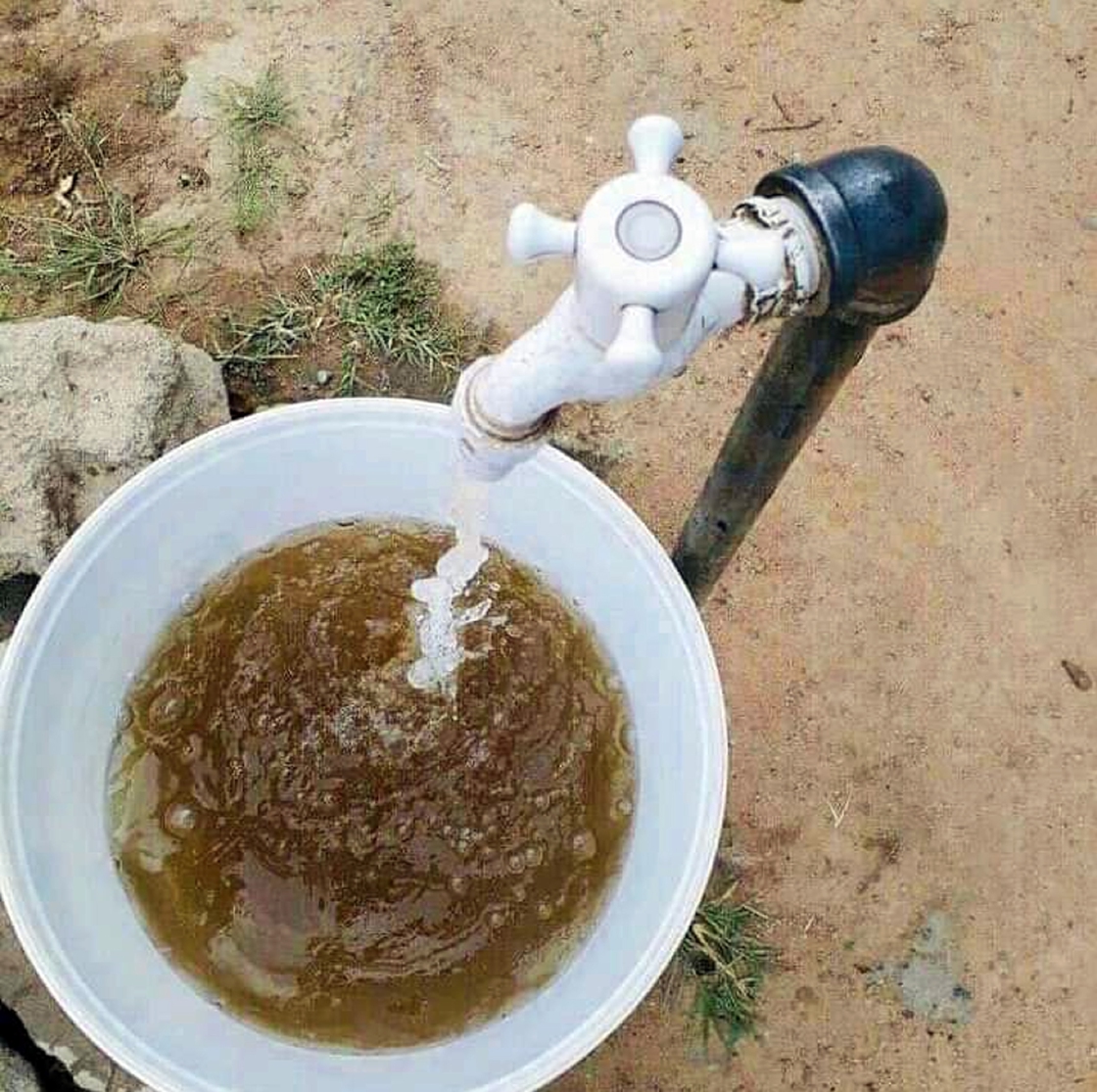
Several neighbourhoods across Mapusa and parts of Bardez are grappling with alarming tap water contamination, with reddish-brown, muddy water flowing through pipelines for days. The discolouration and turbidity, exacerbated during the monsoon, have triggered serious health concerns, forcing residents to switch to packaged water. Despite multiple complaints, no immediate relief has been offered, as authorities continue to investigate the cause and flush out contaminants from the affected pipelines.
The recurring issue of murky tap water in Mapusa has once again resurfaced with greater intensity this monsoon. Residents from areas including Calangute and the town centre report consistently receiving reddish-brown water that remains discoloured even after boiling—rendering it unsuitable for cooking or consumption. Families have turned to purchasing bottled water in bulk, incurring extra costs amid growing frustration. With no resolution in sight, the slow response from the Public Works Department has drawn public criticism. Civic representatives have admitted that the problem likely stems from increased turbidity in the water supply caused by heavy rainfall and silt deposits. Though partial improvement has been observed in some zones, the persistence of unclean supply has intensified calls for long-term preventive measures. This seasonal challenge is not new, raising broader concerns over the resilience of the water treatment and delivery system across Bardez during extreme weather.
Amid rising pressure, authorities have launched a multi-pronged investigation into the source of contamination. Water samples have been collected from various localities across Mapusa for laboratory testing, while emergency flushing of pipelines has begun in high-complaint areas to dislodge any silt or residue. Technical teams are also coordinating with the Assonora Water Treatment Plant—the region’s main water source—but early assessments have not flagged any anomalies at the plant itself. Officials suggest that localised sedimentation or infrastructural inefficiencies could be responsible for the discoloured output. However, experts stress that recurring muddy water incidents during monsoon months point to deeper systemic vulnerabilities, particularly in pipeline maintenance and flood-resilient water filtration. The absence of immediate filtration upgrades has reignited debate over public health protection and the urgent need to strengthen monsoon preparedness. For now, residents remain reliant on packaged alternatives as they await cleaner, safer supply in the coming days.
While temporary steps have been initiated to manage the muddy water crisis, the situation in Mapusa reflects a chronic gap in infrastructure resilience during the monsoon. The dependency on reactive flushing and delayed testing has left citizens exposed to potential health risks, particularly in densely populated areas. Until permanent filtration and preventive measures are in place, concerns about seasonal water contamination will continue to resurface each year. As the issue unfolds, public trust hinges on transparent communication, prompt action, and a commitment to ensuring potable water access for all residents regardless of climate variability.