


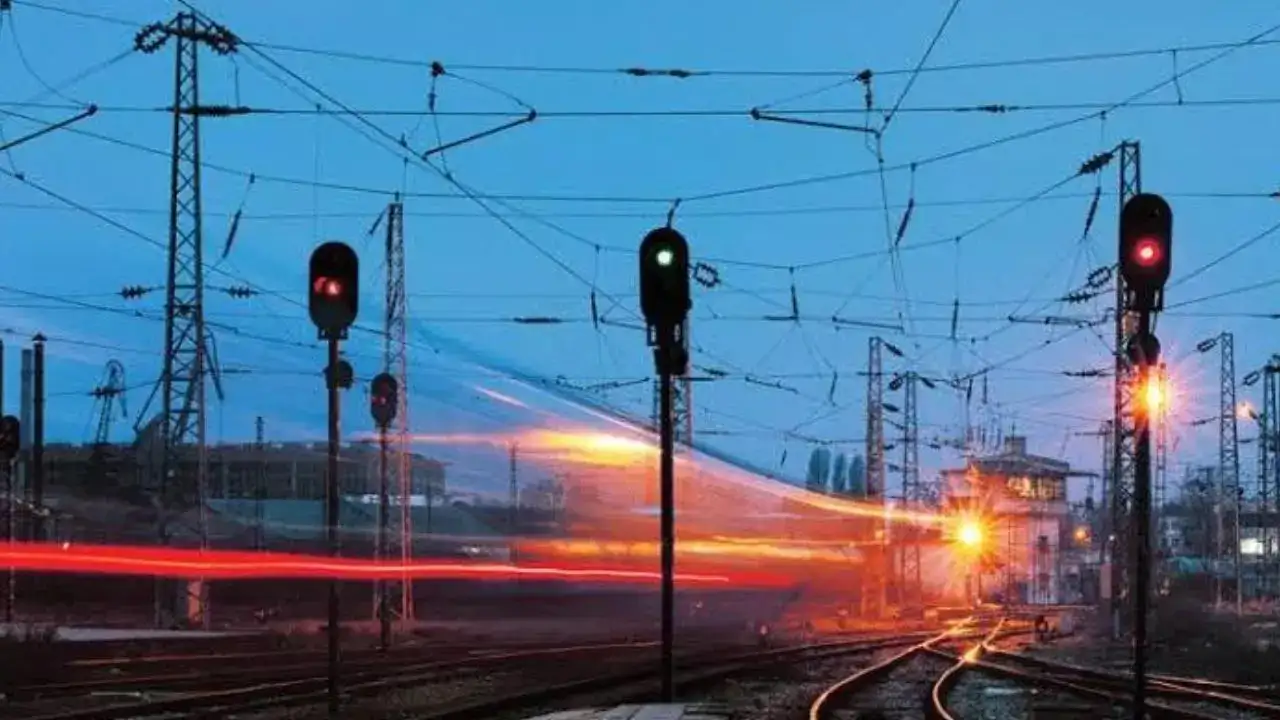
Nashik’s crucial Manmad–Jalgaon railway section is set for a transformative capacity boost with the installation of an automatic signalling system on the 160-kilometre stretch, a development expected to significantly enhance train frequency and operational efficiency. The Bhusawal division of Central Railway is spearheading this project as part of wider infrastructure upgrades in anticipation of the Simhastha Kumbh Mela in 2027, which is projected to draw millions of pilgrims.
According to senior railway officials, this section is one of the busiest on the Mumbai–Howrah route, handling a high volume of both passenger and freight traffic. The current manual block signalling limits the movement of trains to one per block, with block lengths ranging from 8 to 20 kilometres. Under the new automatic system, intermediary signals will cut these distances to between 500 metres and 2 kilometres, allowing multiple trains to operate safely within the same stretch. Officials estimate this could enable up to five times more trains than the present capacity. The automatic signalling installation is being integrated into a broader Rs 1,110-crore development programme for Nashik Road, Odha, Devlali, Kherwadi, and Kasbe Sukene stations. These works are designed to improve passenger handling, create additional train parking and maintenance capacity, and facilitate terminating facilities for long-distance services arriving from destinations including Gujarat, Gorakhpur, and Lucknow.
A major feature of the upgrade is the planned 11-kilometre rail-over-rail flyover at Manmad. Once completed, it will allow freight trains arriving from Daund and heading towards Jalgaon to bypass passenger platforms at Manmad Junction. This design will prevent cross-platform conflicts, easing congestion at a station that already handles converging lines from Jalgaon, Chhatrapati Sambhajinagar, Daund, and Mumbai. Officials note that these modernisation efforts align with broader national goals of improving rail efficiency while reducing the environmental footprint. By enabling more trains on the same track without additional land use, automatic signalling reduces the need for major new alignments, helping to curb emissions and energy consumption.
The upgrades are also being planned with passenger safety, accessibility, and crowd management in mind. For the Simhastha Kumbh Mela, infrastructure will include better circulation areas, enhanced holding facilities, and more robust maintenance systems to accommodate the massive spike in pilgrim numbers. Experts point out that the adoption of such technology is crucial for making India’s railway network more sustainable and equitable. By reducing delays, increasing capacity, and minimising operational bottlenecks, the new system will benefit daily commuters, long-distance travellers, and freight operations alike.
The Nashik–Manmad–Jalgaon enhancement marks one of the most significant signalling modernisation projects in the Central Railway zone and signals a clear shift towards a faster, safer, and greener rail future for the region.
Also Read : Mumbai To Link 34 Metro Stations With 39 Rail Hubs For Seamless Travel
