


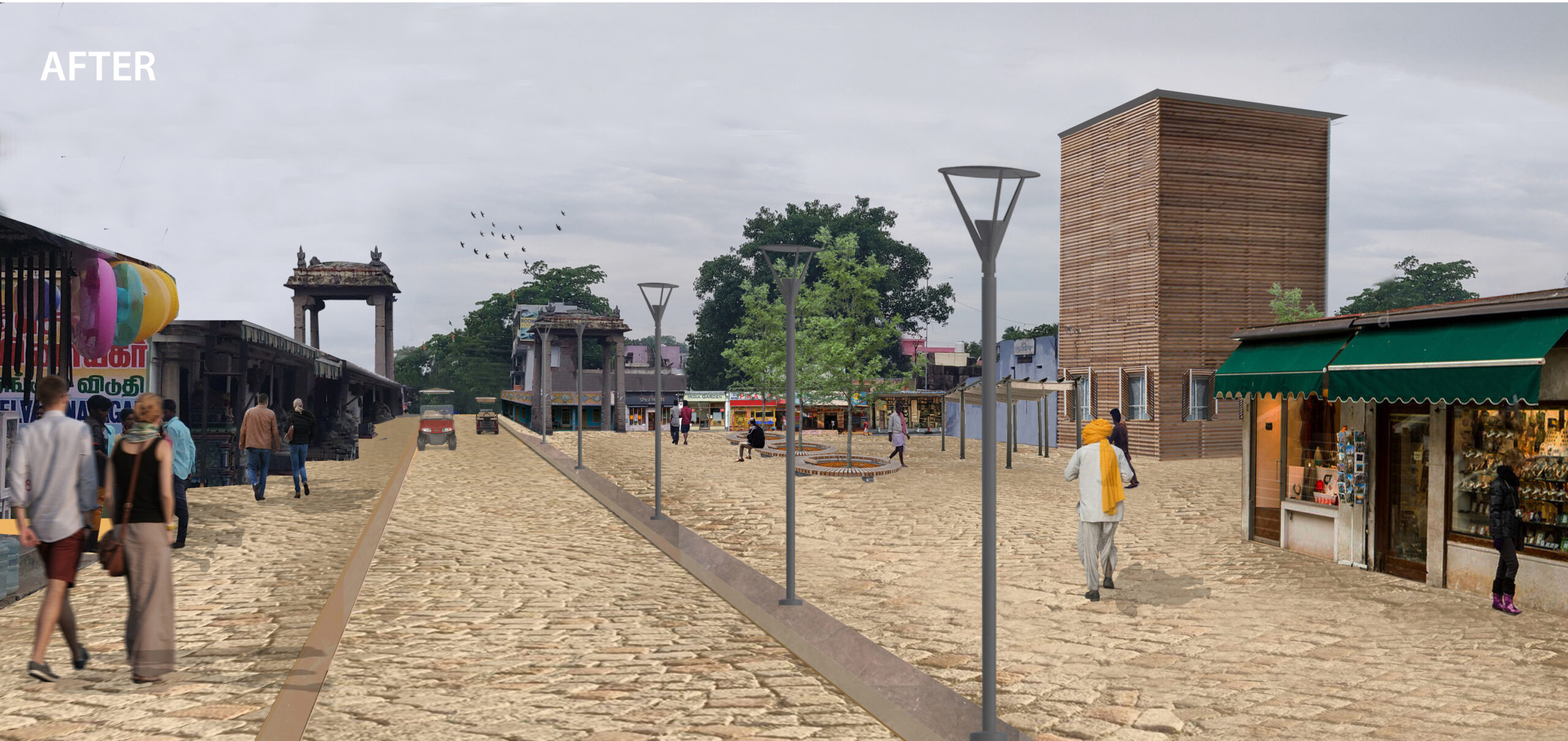
Mamallapuram, the UNESCO-listed coastal heritage town south of Chennai, is set to undergo a significant infrastructure upgrade as part of a ₹100 crore public investment aimed at strengthening tourism capacity and local economic resilience. The funding, announced at a state-led tourism summit hosted in the town, positions Mamallapuram as a priority zone within Tamil Nadu’s broader strategy to align heritage conservation with sustainable urban development.
Officials involved in the planning say the investment will focus on improving core civic infrastructure, visitor amenities and mobility systems in and around the historic monument zone. The initiative responds to long-standing gaps in basic services such as pedestrian access, public conveniences, traffic management and climate-adaptive public spaces—issues that have grown more visible as tourist footfalls have increased steadily over the past decade.A key institutional change accompanying the funding is the proposal to create a dedicated area-level development authority for Mamallapuram. Urban planners note that such a body could enable better coordination between heritage conservation, municipal services and tourism infrastructure, reducing the fragmented decision-making that often affects historic towns with overlapping jurisdictions.
The Mamallapuram announcement forms part of a wider pipeline of tourism-linked investments unveiled at the summit. According to state tourism officials, more than 120 investment agreements across accommodation, leisure, cultural tourism and allied services have been signed, collectively valued at over ₹22,000 crore. These projects are expected to generate tens of thousands of jobs over the medium term, particularly in districts where non-agricultural employment options remain limited.Over the past five years, Tamil Nadu has invested heavily in tourism-supporting infrastructure, including roads, public spaces and destination facilities. Government data indicates that this spending has coincided with a sharp rise in domestic travel and a gradual recovery in international arrivals, reinforcing tourism’s role as a counter-cyclical growth sector.
For Mamallapuram, urban economists say the challenge lies in managing growth without eroding ecological and cultural assets. As a low-lying coastal settlement, the town faces increasing climate risks, including erosion and flooding. Experts argue that new infrastructure must prioritise resilient design—such as permeable surfaces, shaded walkways and decentralised water systems—rather than vehicle-centric expansion.Beyond Mamallapuram, the state has outlined a phased tourism development roadmap that identifies multiple districts for specialised tourism clusters, ranging from urban experiences to nature-based and cultural destinations. Planned facilities include accommodation, curated public spaces and low-impact experiential stays, designed to distribute tourism benefits beyond established hubs.
The roadmap also extends to allied sectors, with proposals for caravan parks, heritage-themed destinations and large-scale sports infrastructure near major cities. These projects reflect a shift towards diversified tourism offerings that combine culture, recreation and wellness.For Mamallapuram, the immediate focus will be on translating the announced investment into on-ground improvements that benefit both residents and visitors. If implemented with sensitivity to heritage and climate constraints, the initiative could offer a template for how historic towns balance conservation, liveability and economic opportunity in a rapidly urbanising state.
Also Read:Hyderabad Rail Hub Shapes Southern Mobility Future
Mamallapuram Infrastructure Plan Targets Sustainable Tourism Growth
