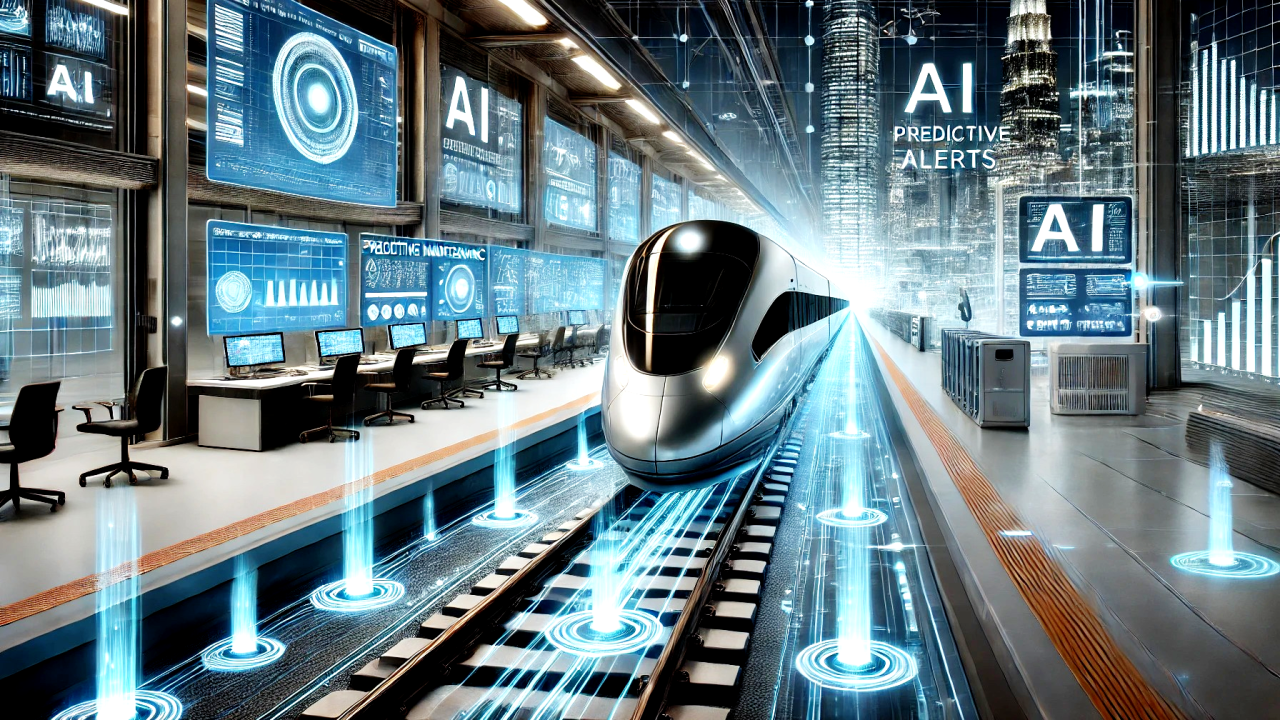
Major railway hubs in Mumbai and Delhi are poised to integrate advanced Artificial Intelligence (AI) powered facial recognition technology. This strategic deployment by Indian Railways aims to fortify security measures, particularly in highly congested areas prone to various threats, from petty crime to more serious security breaches. The move, mirroring similar successful implementations at airports, marks a pivotal moment in leveraging cutting-edge technology for public safety within India’s bustling urban landscapes.
The adoption of facial recognition technology is fundamentally designed to act as a powerful deterrent and an effective tool for identifying individuals of interest, particularly those with a criminal record. By continuously scanning facial features from digital images or video feeds and cross-referencing them with established databases, this AI-driven system promises to significantly bolster surveillance capabilities. This proactive approach is expected to aid in swift identification of suspicious activities, thereby allowing for timely intervention and apprehension of individuals posing a threat, ultimately contributing to safer and more secure environments for commuters.
While the deployment promises enhanced security, it also opens avenues for broader discussions on privacy and ethical considerations. The legal framework surrounding the use of biometric data, particularly its potential linkage with national identification databases, remains a critical aspect requiring careful navigation. Current regulations stipulate specific conditions for accessing and utilising such sensitive information, ensuring that its application primarily serves authentication purposes rather than indiscriminate surveillance. Balancing the imperative for public safety with individual privacy rights will be paramount as this technology becomes more pervasive across urban public spaces.
Beyond immediate security benefits, the integration of AI-powered facial recognition offers a pathway towards streamlining operational efficiencies at railway stations. The technology can significantly reduce time spent on manual checks, thereby improving passenger flow and overall experience, which aligns with the vision of smarter, more efficient urban infrastructure. Furthermore, insights derived from analysing passenger movement patterns can inform better station management and resource allocation, fostering a more sustainable and user-friendly urban transport system.
India has already witnessed successful deployments of this technology in various sectors, from the Digi Yatra initiative at major airports like Delhi, Bengaluru, and Hyderabad, which facilitates paperless boarding, to law enforcement agencies utilising it for identifying missing persons and criminals. The National Crime Records Bureau’s Automated Facial Recognition System (AFRS) and its application in traffic surveillance in cities like Delhi and Chennai further exemplify its versatile utility. As urban centres evolve, the intelligent integration of such technologies becomes crucial not only for security but also for creating equitable and accessible public spaces that cater to the needs of all citizens. The future of urban mobility and safety in India will undeniably be shaped by such technological advancements.
Also Read :India To Launch Japans E10 Shinkansen For High Speed Rail Future
Major Railway Stations to Deploy AI Facial-Recognition Security