


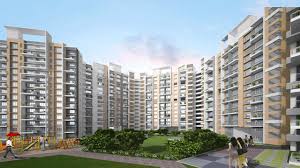
Mahindra Lifespace Developers has reported a sharp financial turnaround for the December 2025 quarter, underscoring improving conditions in India’s residential and industrial property segments. The company returned to profitability after losses a year earlier, supported by higher project completions, stronger sales traction and steady performance across its diversified development portfolio.
For the quarter ended December 31, the developer posted a consolidated profit of over Rs 100 crore, reversing a loss recorded in the same period last year. Total income rose sharply year-on-year, reflecting accelerated revenue recognition from residential projects and increased contribution from industrial developments. Market analysts view the performance as a signal that execution-led developers are beginning to benefit from improved demand visibility and tighter cost controls. Residential operations remained the primary growth driver. Pre-sales rose substantially compared to the previous year, aided by improved absorption across select projects and timely handovers. Consultants tracking the housing market note that buyers have increasingly favoured established brands with strong delivery records, particularly in a market where new launches remain selective and financing costs are elevated. The company also reported a meaningful addition to its development pipeline during the quarter, strengthening medium-term revenue visibility. Gross development value additions highlight a strategy focused on calibrated expansion rather than aggressive land acquisition an approach that has gained traction as developers seek to manage balance-sheet risk amid volatile construction costs.
Beyond housing, the industrial development segment continued to provide stability. Integrated industrial clusters and business parks have emerged as a resilient asset class, supported by manufacturing growth, supply chain diversification and demand from logistics and engineering firms. Urban economists point out that such developments play a critical role in decentralising employment and reducing pressure on major city centres, aligning with broader regional development goals. From a financial health perspective, Mahindra Lifespace maintained conservative leverage ratios, with low debt levels relative to assets and equity. This balance-sheet strength has allowed the company to sustain project execution without significant financial stress, even as activity levels increase. Operating and net margins improved during the quarter, suggesting effective cost management and better pricing realisation. The positive quarter builds on a gradual recovery seen earlier in the financial year, with cumulative profits for the nine-month period marking a clear improvement over the previous year’s losses. Analysts caution, however, that sustained performance will depend on continued project delivery, stable interest rates and the pace of demand in both residential and industrial segments.
Looking ahead, the results point to a broader theme shaping India’s real estate sector: disciplined growth backed by execution, rather than volume-led expansion. As cities grapple with affordability, infrastructure capacity and climate resilience, developers that align financial prudence with long-term urban value creation are likely to be better positioned through the next phase of the property cycle.
Also Read: Mumbai Residential Launches Favour Family Homes
Mahindra Lifespace Results Reflect Execution Momentum
