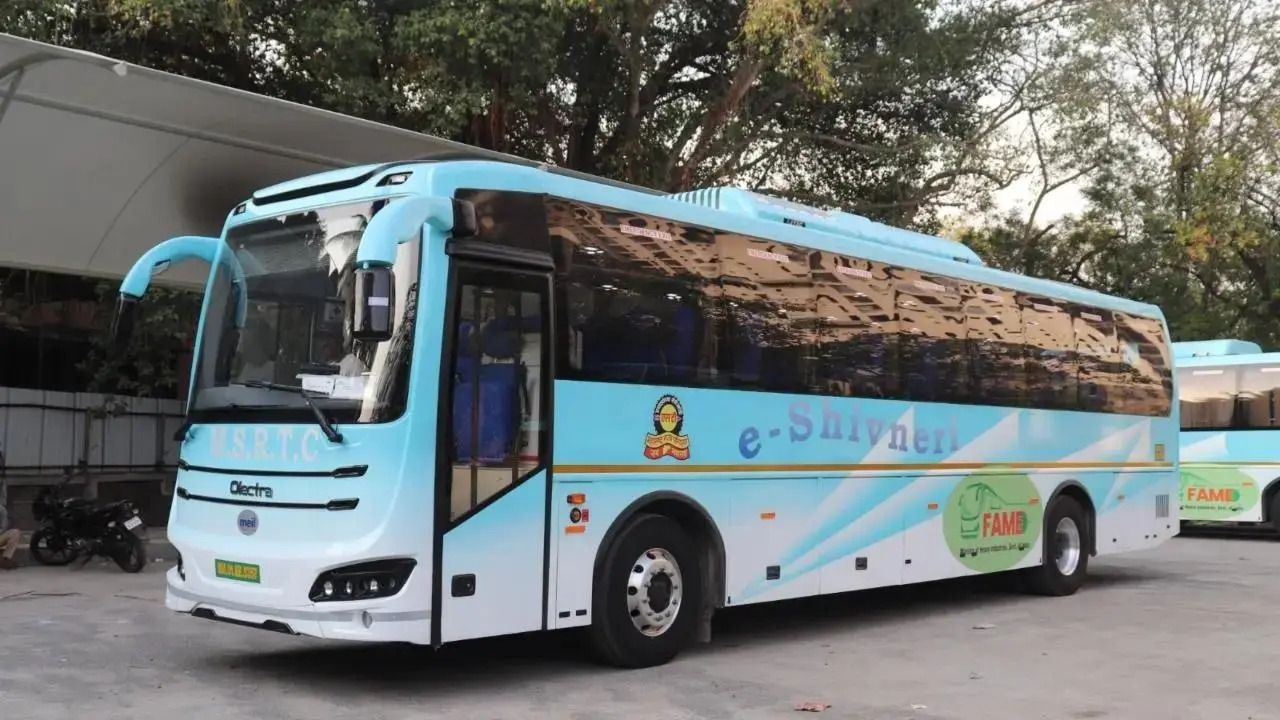
Maharashtras ST Buses Ferry 1.93 Crore Passengers, Earn Rs 137 Crore During Rakshabandhan 2025
Maharashtra’s state-run bus service has not only achieved a new financial benchmark but also reaffirmed its critical role in the state’s socio-economic tapestry. The Maharashtra State Road Transport Corporation (MSRTC) has reported a record revenue of over ₹137 crore during the four-day Rakshabandhan period, a testament to the enduring appeal and necessity of public transport. This financial triumph is more than a fiscal victory; it is a clear indicator of a burgeoning reliance on sustainable and equitable urban mobility solutions, particularly for connecting communities and empowering women across the state.
The impressive financial performance, which saw a remarkable single-day earning of approximately ₹39 crore, underscores the profound impact of festivals on travel patterns and the pivotal role of MSRTC in facilitating these journeys. This achievement, a new high for the current fiscal year, highlights the strategic imperative of investing in public infrastructure. The massive influx of passengers, totalling nearly two crore people, serves as a powerful case study for how efficient public transit can reduce the carbon footprint associated with a surge in private vehicle use during peak travel times. A thriving public bus network is a cornerstone of any zero-net-carbon and eco-friendly urban master plan, providing a collective, low-emission alternative to individual cars.
A deeper analysis of the ridership data reveals an even more compelling narrative of social progress. Of the 1.93 crore passengers, a significant 88 lakh were women, underscoring the gender-neutral and equitable nature of MSRTC’s service. An accessible and safe public transport system is a powerful tool for social equity, enabling women to travel freely and participate in family, social, and economic life without barriers. The record ridership reflects not just a financial success but a social one, demonstrating that public infrastructure can be a catalyst for female empowerment and the strengthening of community bonds.
The operational success was a direct result of the dedicated efforts of the MSRTC workforce. While many were celebrating the festival with their families, the transport staff worked tirelessly to ensure the smooth, safe, and punctual travel of millions. This collective effort is the human engine behind the system’s success, highlighting the professionalism and commitment of a public service. In a world grappling with climate change and urban congestion, the MSRTC’s performance offers a blueprint for how a well-managed public service can meet the demands of a modern, sustainable, and equitable society. This data is a powerful stand for the continued prioritisation of public transit as a vital artery of Maharashtra’s economic and social vitality.