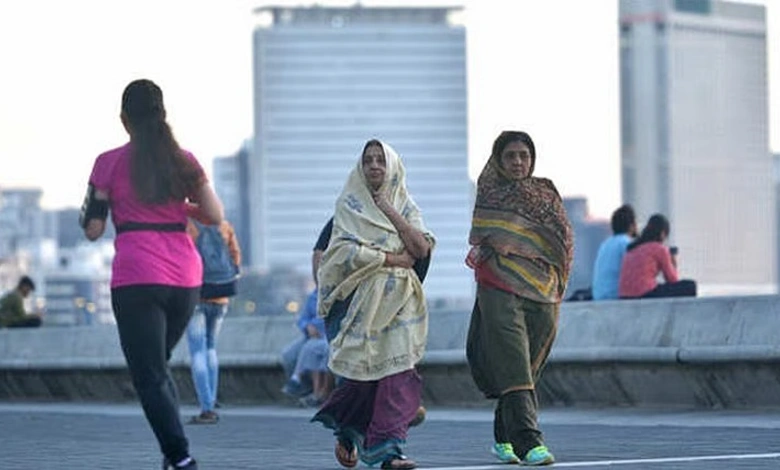
Large parts of Maharashtra are experiencing an unusually sharp dip in winter temperatures, prompting weather authorities to flag the next 24 hours as critical for several regions. The intensifying Maharashtra cold wave has brought colder nights, dense morning fog and fluctuating day–night temperatures, conditions that directly affect urban mobility, public health and energy demand across cities and rural districts alike.
Meteorological data shows minimum temperatures dropping well below seasonal averages in central, northern and inland parts of the state. In several districts of North Maharashtra, night temperatures have slipped close to single digits, a rarity that has caught households and local administrations off guard. Urban planners note that such temperature swings place stress on informal housing, where insulation and heating access remain limited. Pune is expected to see some of the most visible urban impacts in the coming days. Dense early-morning fog is likely to linger across low-lying and peripheral areas, reducing road visibility during peak commuting hours. Transport experts point out that repeated winter fog episodes can disrupt bus schedules, slow freight movement and increase accident risks, particularly on highways linking industrial zones to the city.
While daytime temperatures are projected to remain relatively warm, the wide gap between day and night readings is a concern for public health officials. Rapid temperature variation is known to aggravate respiratory conditions, especially among children, the elderly and outdoor workers. Health systems in smaller cities and towns, already stretched during winter months, may see a short-term rise in outpatient cases linked to seasonal illnesses. The Konkan belt, including the Mumbai Metropolitan Region, has so far been insulated from the harshest effects of the Maharashtra cold wave, with coastal influence keeping minimum temperatures higher. However, cooler mornings and nights are still being recorded, subtly altering energy consumption patterns. Power distribution companies often see higher early-morning electricity demand during such spells, driven by heating appliances and longer lighting hours.
In Marathwada and parts of western Maharashtra, clear skies combined with cold nights are influencing agricultural routines. Experts say winter cold spells can benefit certain rabi crops but also increase irrigation demand, placing additional pressure on already stressed water systems. This highlights the interconnected nature of climate patterns, food security and urban water planning. Vidarbha and North Maharashtra continue to report some of the coldest conditions in the state, with fog and chilly winds persisting through the morning hours. For logistics-dependent industries, these conditions can slow early-day operations and impact supply chain efficiency.
As climate variability becomes more frequent, short but intense winter events are increasingly being viewed as urban resilience challenges rather than isolated weather anomalies. The current cold spell underscores the need for cities to integrate climate-responsive design, health preparedness and transport planning into everyday governance. Over the coming days, how effectively local systems adapt to these conditions will determine not just comfort, but continuity of daily urban life.