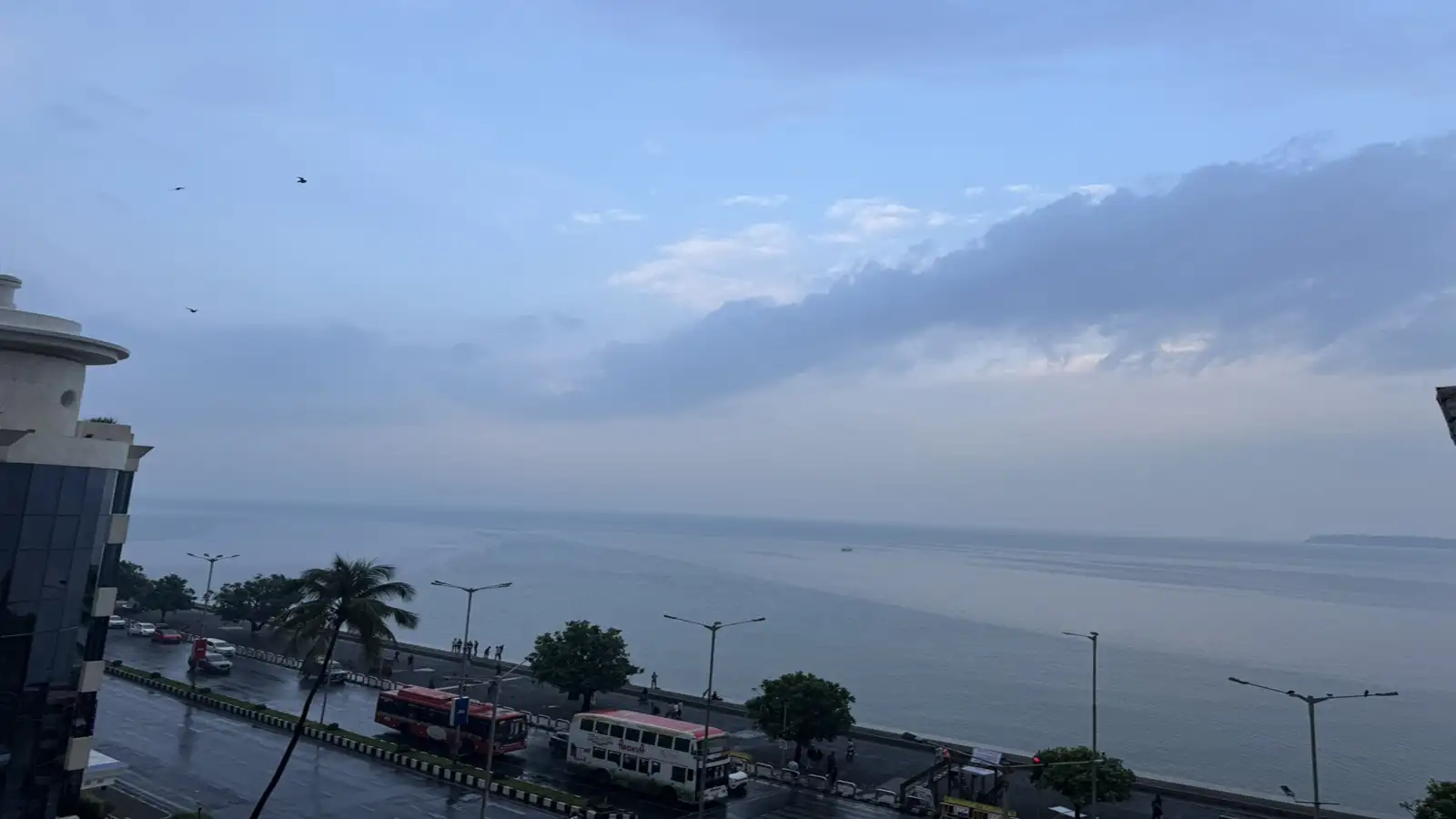
Maharashtra Weather Sees Unseasonal Showers Before Sankranti
Maharashtra is experiencing unseasonal rainfall and cooler conditions in parts of the state, including Mumbai and Thane, just days before Makar Sankranti, disrupting seasonal expectations and prompting heightened attention from meteorologists and urban planners. The India Meteorological Department (IMD) has attributed the unusual weather swings to shifting wind patterns and moisture influxes that are typical of transitional months but atypical for early January, a period traditionally dominated by stable, dry winter conditions.
Over the past few days, several parts of the Mumbai Metropolitan Region (MMR) — including neighbouring districts such as Palghar and Navi Mumbai — have witnessed cloudy skies and intermittent showers. Daily temperature profiles have shown overcast days with occasional drizzle and cooler nights, contrasting sharply with the seasonal norm of clear days and cold, dry evenings. For city residents, this has meant unpredictable weather ahead of one of the earliest major festivals in the calendar. Makar Sankranti, which this year falls mid‑January, is culturally significant and traditionally associated with outdoor festivities. An unexpected weather dip and light rain could influence plans, especially in coastal cities where celebratory gatherings typically involve rooftop or open‑air activities.
IMD forecasts for Mumbai and surrounding areas indicate that light rain or drizzle may continue intermittently over the next day, with partly cloudy conditions persisting in the broader Konkan belt. Maximum daytime temperatures are expected to hover in the low 30s Celsius while minimum temperatures remain relatively subdued, perpetuating a cooler feel overnight and early morning. This pattern of unseasonal showers during winter months is not unprecedented but may be intensifying. Historical data shows isolated wet spells in months outside the traditional monsoon window emerging in recent years, linked to transient low‑pressure systems and increased atmospheric moisture content in the region. Such variability can affect urban living conditions, infrastructure readiness, and energy consumption patterns, as cities contend with both rainfall impacts and ongoing cold spells.
From an urban resilience perspective, brief rain events in Mumbai and Thane — cities historically built with monsoon‑responsive drainage systems — still pose disruptive possibilities. Even light rainfall can lead to water pooling on key arterial roads during winter due to saturated catchments and slow drainage drawdown. This can have knock‑on effects on commuter mobility, municipal services, and local businesses, particularly during peak hours. Meteorological analysts suggest that while the unseasonal showers are likely short‑lived, they underscore the need for adaptive weather planning in rapidly urbanising regions. Climate variability trends point to broader shifts in precipitation patterns that could have implications for infrastructure design, water management and festival‑related public safety planning. Integrating real‑time weather data into urban service dispatch and event preparedness frameworkswill be key for local governments in the MMR and wider Maharashtra to balance public safety with ongoing economic activity.
As Makar Sankranti approaches, residents and municipal authorities alike are advised to monitor updated forecasts and plan accordingly, especially for outdoor events and traffic management in rain‑prone streets. While the showers may be brief, their timing reminds planners and citizens of the increasing unpredictability of weather patterns in India’s dense urban corridors.