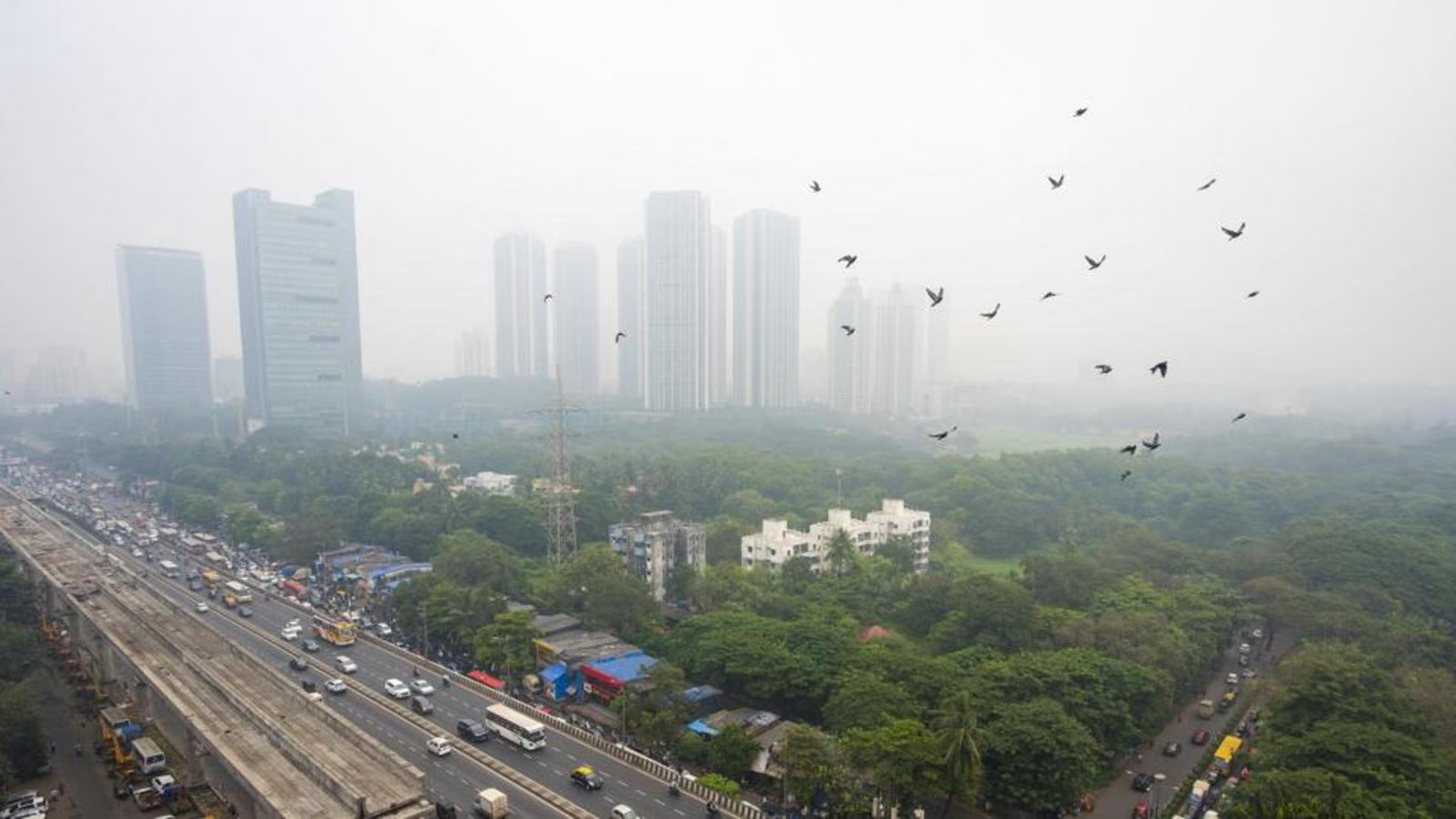
Maharashtra is experiencing pronounced temperature variability this February, with shifts between cold early-morning readings and comparatively warm afternoons across several districts, according to data from meteorological agencies and recent forecasts. The fluctuating weather pattern has implications for public health, agriculture and urban climate resilience planning across India’s second-largest state.
Morning low temperatures in pockets of Nashik district — including Niphad, where readings dropped to around 9.7°C — highlight that winter impacts persist in parts of northern Maharashtra even as daytime warmth returns to western and coastal regions. The India Meteorological Department (IMD) has linked these swings to variations in wind patterns and broader atmospheric influences over central and western India.Across major urban centres such as Pune, the temperature profile reflects the transitional nature of the season. Pune’s early-morning lows remain mild compared with deep winter extremes, while afternoon highs regularly climb into the low-30s Celsius. This kind of diurnal swing — where nights and mornings are significantly cooler than afternoons — is a marker of broader climate variability and complicates urban planning for heat, health and energy needs.
Forecasts indicate that much of Maharashtra will see temperatures remain generally above seasonal averages over the next week, even as isolated night-time dips occur. Western Maharashtra, including Pune and surrounding districts, is expected to experience warm, dry days with little rainfall, while cooler conditions may persist in interior and northern parts of the state. The co-existence of cold pockets and heat highlights the complexity of regional microclimates within Maharashtra.These fluctuations matter for city services and residents. In urban areas, larger day-night temperature differences can increase energy demand for cooling during afternoons while still requiring heating or protective measures in the mornings. Public health officials note that such variability can elevate the risk of respiratory issues and cardiovascular stress, particularly among vulnerable groups like children and the elderly.
Agricultural communities are also affected. In harvesting hubs such as Nashik’s grape belt, sudden temperature drops can delay ripening and impact crop quality, forcing farmers to adapt irrigation and frost-management practices. As cities and rural economies alike contend with these subtle yet impactful weather shifts, resilience planning will need to account for both extremes in diurnal ranges and the broader trend towards warmer conditions.Looking ahead, adaptation measures — from heat-health alerts to climate-adaptive crop calendars — could help communities manage the dual challenges of lingering cold and rising daytime temperatures in a changing climate.