Maharashtra has outlined an ambitious multi-sector infrastructure programme aimed at accelerating mobility, regional connectivity and service delivery across its cities and districts. Addressing the state legislature during the winter session, the state leadership emphasised speedier project execution, improved public safety and long-term economic competitiveness, positioning infrastructure as a central lever for inclusive urban growth.
Urban rail remains a cornerstone of the plan. Mumbai’s operational Metro network, currently spanning over 90 km and serving nearly a million daily commuters, is expected to expand significantly within the next two years. Officials indicated that ongoing construction will push the network beyond 130 km, while future corridors already approved will take the total planned Metro length to 374 km. The government has set an annual target of commissioning at least 50 km of new Metro lines, reflecting an effort to shift commuters away from private vehicles and reduce congestion-related emissions. Other cities are also seeing steady progress. Pune’s Metro system has crossed the 30 km mark, while Nagpur has close to 40 km of operational routes. Urban transport experts note that consistent expansion across multiple cities could help Maharashtra build a more balanced, low-carbon mobility ecosystem rather than concentrating investments only in the capital region.
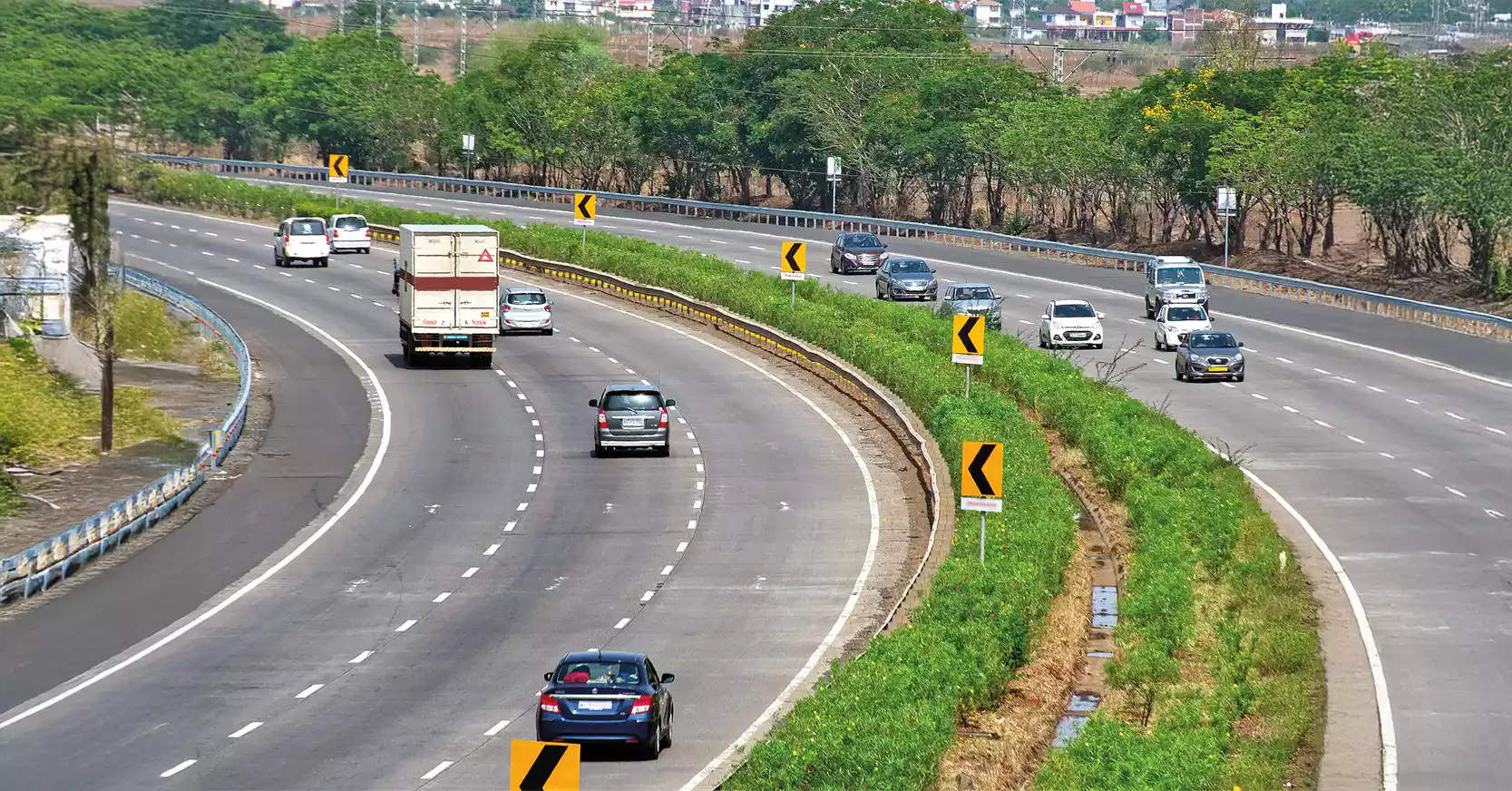
Road and tunnel infrastructure across the Mumbai Metropolitan Region forms the second pillar of the Maharashtra infrastructure push. Several high-impact projects are planned or underway, including a parallel expressway to the Mumbai–Pune corridor, key east–west tunnel links, coastal road extensions and improved access to the upcoming Navi Mumbai International Airport. According to transport planners, these links are expected to ease freight movement, shorten commute times and improve disaster resilience by offering alternative routes. A major regional connectivity proposal is the Jankalyan Expressway, a 450 km access-controlled corridor connecting Mumbai and Hyderabad via interior districts. Estimated at Rs 36,000 crore, the project is designed to cut travel distances sharply and bring economically lagging districts into faster supply chains. Industry experts say such corridors can stimulate decentralised industrial growth if paired with local employment and housing planning.
Beyond transport, the government also announced a new central business district in Vidarbha, modelled on established urban employment hubs, alongside plans for an aviation training centre in Amravati. Together, these initiatives are expected to create large-scale skilled jobs outside the Mumbai–Pune belt. On governance, the administration highlighted improvements in emergency response times and a planned reduction in domestic power tariffs over the next five years. Urban policy analysts argue that sustained investment in transport, energy affordability and safety will be critical to ensuring Maharashtra’s infrastructure expansion supports equitable, liveable and climate-conscious cities rather than unchecked sprawl.
Maharashtra Unveils 374 Km Metro Expansion And Mumbai Hyderabad Expressway Plan