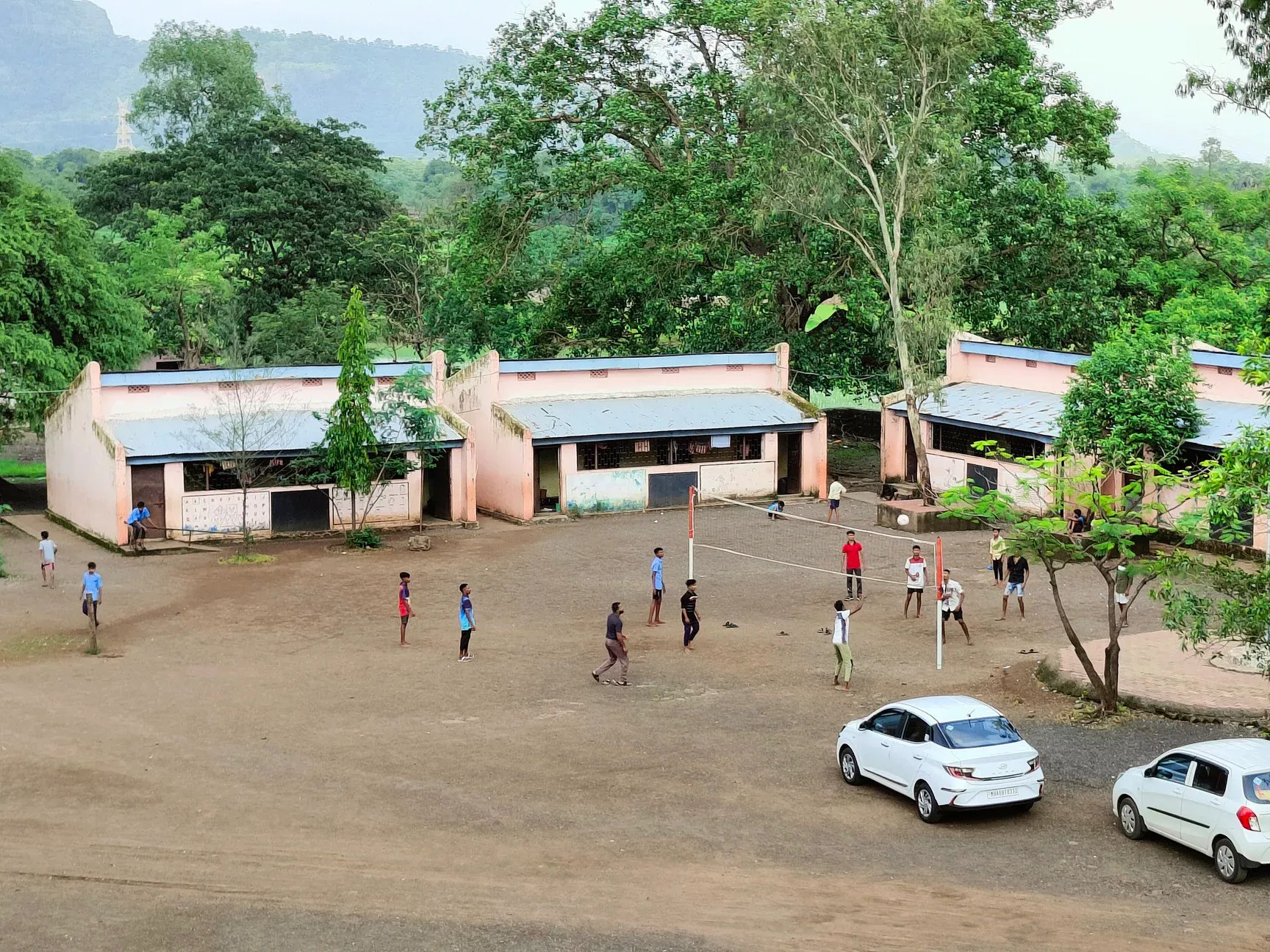
Maharashtra Tribal Women Lead Residential School Maintenance
In a notable move to strengthen both community livelihoods and essential school infrastructure, the Maharashtra Tribal Development Department has mobilised tribal women as frontline maintenance professionals in residential ashram schools, expanding access to clean water, sanitation and hygiene (WASH) services while promoting economic empowerment. This innovative initiative, supported by UNICEF and the Centre for Youth Development and Activities (CYDA), reflects a growing recognition that local solutions can play a strategic role in sustaining rural infrastructure and inclusive development.
Under the ‘Adisakhi: WASHMITRA’ programme, 120 tribal women received specialised training between late 2024 and late 2025 to handle operation and maintenance tasks in tribal residential schools, which collectively serve more than two lakh children across roughly 500 institutions in Maharashtra’s tribal belt. The women — known as Adisakhis — now independently manage routine infrastructure needs including hygiene systems, safe drinking water points and minor repairs, roles traditionally undertaken by external contractors or male-dominated trades.Officials from the Tribal Development Department describe the approach as a dual empowerment model: improving WASH infrastructure while simultaneously building local technical skills and sustainable incomes for women who have historically faced limited formal employment opportunities. Earnings from the work reportedly range from ₹2,000 to ₹2 lakh per Adisakhi so far, providing financial independence and signalling the viability of community-based service enterprises.
Urban planners and social development experts see this as a strategic adaptation to persistent challenges in maintaining school infrastructure in remote and tribal regions. “Local economies and essential service delivery are reinforced when communities are actively engaged in asset management,” notes an expert in rural infrastructure strategy. Embedded local maintenance not only speeds up repairs but decreases dependency on distant providers who may be unavailable or unresponsive to urgent needs.The scale of ashram schools in Maharashtra — institutions that provide boarding and education primarily for tribal students — exposes enduring gaps in routine infrastructure upkeep. Such facilities often face issues ranging from blocked washrooms and broken taps to unsafe drinking water and non-functional plumbing, particularly in far-flung districts where regular contractor visits are sparse. Prior reportage has highlighted ongoing concerns about living conditions and access to basic amenities in some residential schools, underscoring the urgency of systematic infrastructure attention.
Adisakhis operate through four training hubs located in Nagpur, Amravati, Nashik and Thane, where participants acquire skills in practical maintenance, safety protocols and WASH systems. The training emphasises both technical proficiency and community engagement, enabling women to act as trusted assets within their own villages and neighbouring areas. Over time, these women are also exploring entrepreneurial avenues by offering maintenance services to local communities outside the school system.The programme’s early success suggests that decentralised, gender-inclusive models can contribute meaningfully to more resilient infrastructure ecosystems. By reducing reliance on external labour and improving responsiveness to day-to-day facility issues, the initiative aligns with broader goals of sustainable rural development, equitable education access and locally rooted livelihoods — priorities that are central to Maharashtra’s social and economic strategies.
Still, participants face obstacles including irregular work demand and geographic barriers, emphasising the need for adaptive support mechanisms — such as digital maintenance reporting and transport facilitation — to ensure continuity of services. As the state expands the Adisakhi network to more schools, strengthening institutional linkages with education departments and WASH monitoring frameworks will be critical to scaling impact effectively.