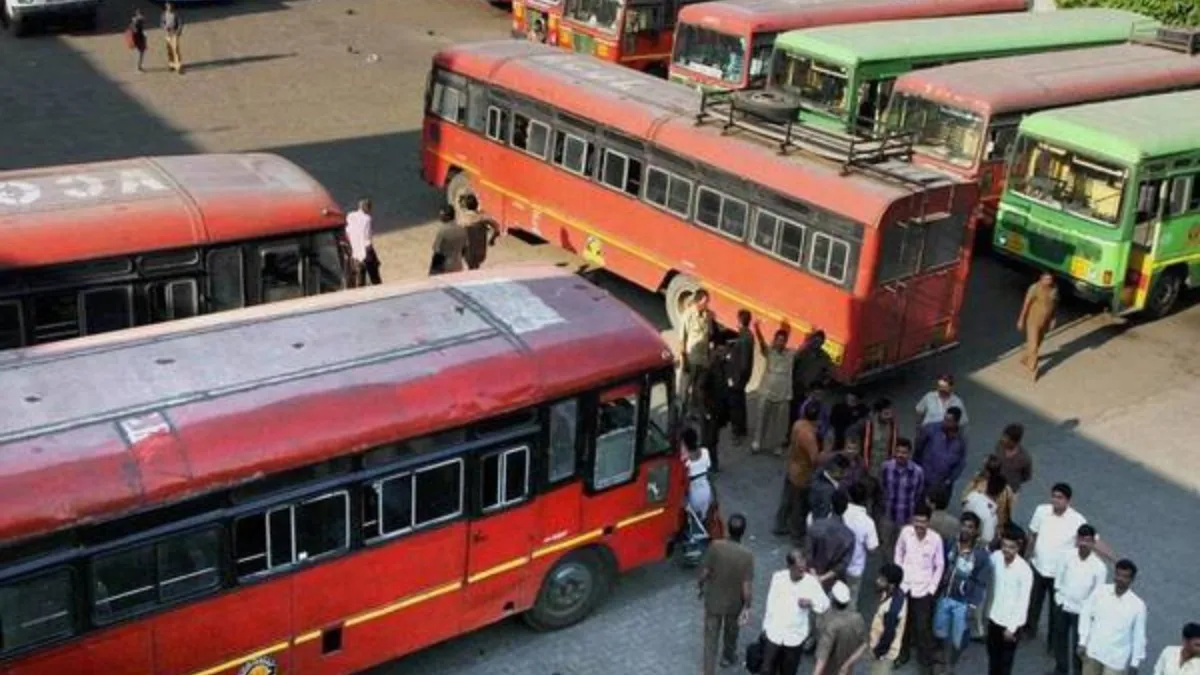
A statewide transport shutdown announced by industry groups is set to disrupt passenger mobility and goods movement across Maharashtra from late Thursday night, as transport unions escalate protests over mounting electronic traffic fines. The proposed Maharashtra transport strike could affect trucks, buses, taxis and auto-rickshaws, raising concerns about urban supply chains, commuter mobility and economic activity in major cities such as Mumbai, Pune and Nagpur.
Transport associations representing freight operators and passenger vehicle owners have signalled an indefinite halt in operations if negotiations with state authorities fail to produce a resolution. The protest centres on grievances related to the digital traffic enforcement system, which transporters argue has generated excessive and inconsistent penalties for commercial vehicles operating across the state. Industry representatives estimate that unpaid electronic challans linked to commercial vehicles have accumulated to roughly ₹3,500 crore. Transport groups claim many vehicle operators have received multiple fines within short time frames, often linked to automated camera enforcement systems. According to transport stakeholders, inconsistent road signage, limited parking infrastructure and alleged duplication of penalties have compounded financial pressure on small fleet operators and self-employed drivers.
The Maharashtra transport strike is expected to affect freight logistics first, potentially slowing the movement of goods into urban consumption centres. Freight trucks and tempo operators play a critical role in maintaining daily supply chains for construction materials, agricultural produce, retail goods and e-commerce deliveries. Urban planners warn that prolonged disruption could quickly ripple across wholesale markets, retail distribution networks and infrastructure projects dependent on steady logistics flows. Passenger mobility may also be affected. Taxi unions, auto-rickshaw associations and private cab operators have indicated support for the protest, while school transport operators have warned that services could be suspended if the standoff continues. In dense metropolitan regions where informal and semi-formal transport networks supplement public transport systems, such disruptions can place additional strain on city commuters.
The issue has drawn attention within the state legislature, where policymakers have acknowledged concerns about enforcement mechanisms and compliance burdens on commercial drivers. Officials have indicated that administrative and legal aspects of the e-challan framework are being reviewed, though no immediate policy relief has been announced.bUrban mobility experts note that digital enforcement tools are critical for improving road safety and compliance, but their effectiveness depends on transparency, consistent implementation and supporting infrastructure. Without adequate parking facilities, loading zones and clear traffic management systems, automated enforcement can disproportionately affect transport workers operating in crowded city environments.
The unfolding Maharashtra transport strike highlights a broader challenge for rapidly urbanising regions: balancing technology-led governance with practical mobility systems that support both safety and economic activity. With freight, passenger mobility and city logistics increasingly interlinked, policymakers may now face pressure to modernise enforcement systems while ensuring that transport ecosystems remain functional, fair and resilient.
Maharashtra Transport Strike Disrupts Urban Supply Chains