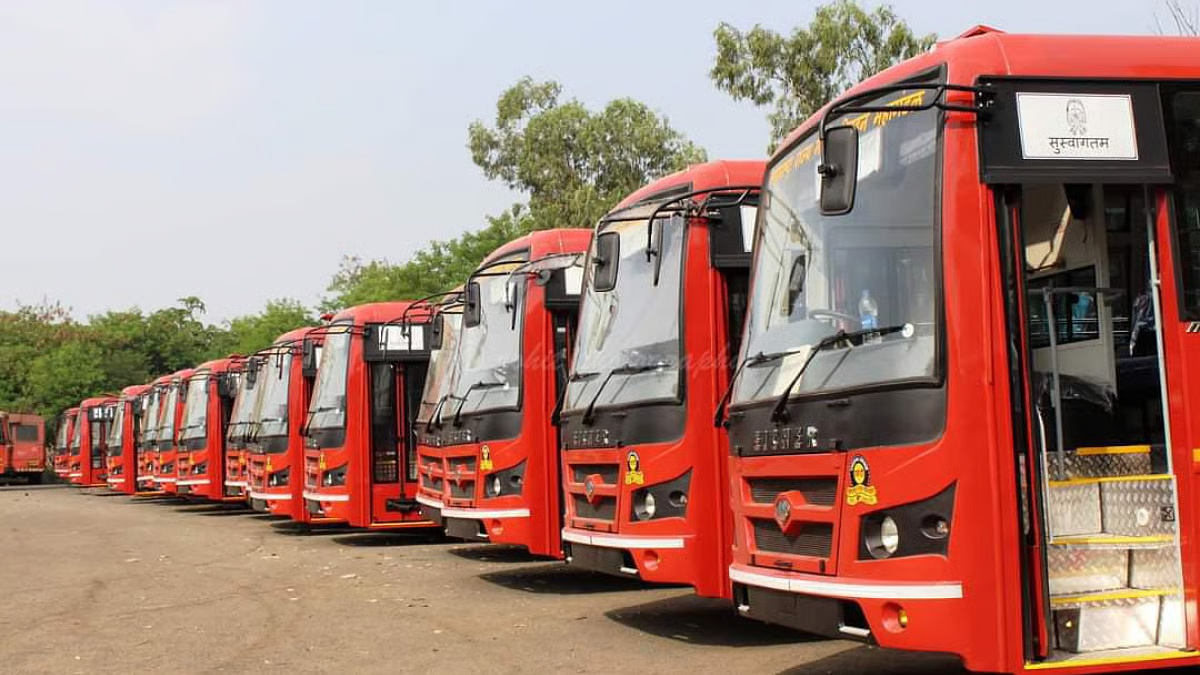
Maharashtra Transport Department To Champion Logistics Growth
Maharashtra’s transport authority has signalled a strategic pivot, positioning the state’s transport apparatus at the core of its ambition to emerge as India’s principal logistics gateway, a move expected to catalyse trade efficiencies and bolster sustainable infrastructure development across the region. The policy shift reflects a broader intent to link mobility frameworks with supply-chain economics in ways that could reduce carbon emissions and address urban congestion.
The state’s transport minister outlined plans for the department to take on a leadership role in planning and implementing systems that aim to make Maharashtra a globally competitive logistics hub. Officials emphasise that the initiative is not merely administrative, but central to enhancing freight connectivity from manufacturing zones to ports and hinterland markets.Maharashtra’s geography already lends it strategic advantage. The state hosts several major infrastructure assets, including the Mumbai–Nagpur Expressway, which integrates with key industrial corridors and links to national container terminals. Experts say these corridors could underpin a multimodal logistics network capable of supporting higher cargo throughput without exacerbating urban pollution or traffic congestion.
Transport planners note that logistics performance is an increasingly important factor for attracting investment and jobs. By reducing transit times and integrating transport modes, from road freight to inland dry ports, the state could enhance its competitive edge with neighbouring regions. The development of the Jalna Dry Port as part of a container handling network exemplifies this trend, providing a hub for inland freight consolidation that reduces dependency on long-haul truck movements.Industry analysts say the transport department’s new focus aligns with national policy efforts to strengthen supply chain resilience and sustainability. With global goods movement rapidly digitising, Maharashtra’s freight strategy could attract logistics firms and induce ancillary services in warehousing, cold chains, and value-added services — sectors that can generate local employment while curbing emissions through efficient transport planning.
But stakeholders caution that ambition must be matched with inclusive planning, especially for smaller towns and rural markets. Urban planners stress that an effective logistics ecosystem should encompass last-mile connectivity, ensuring smaller industrial clusters benefit from improved access. Integrative approaches that embed digital tracking, streamlined permits, and low-carbon transport options are seen as essential components.Beyond freight, the transport sector is navigating parallel reforms. Recent government action has sought to stabilise the Maharashtra State Road Transport Corporation’s finances and clear employee arrears, signalling a broader policy intent to build operational resilience in public transport.
As Maharashtra positions itself as a logistics gateway, the path ahead will involve synchronising land-use planning, multimodal connectivity, and sustainability goals. The next phase will likely centre on policy refinement, private sector engagement, and targeted investment to bridge current gaps while promoting equitable access across urban and rural landscapes.